Hey there! I’m in the fructose corn syrup (FCS) supply business, and I get a lot of questions about how FCS affects the liver. It’s a hot topic, and I think it’s important to dig into the science and share what I know. So, let’s talk about how fructose corn syrup impacts our livers. Fructose Corn Syrup
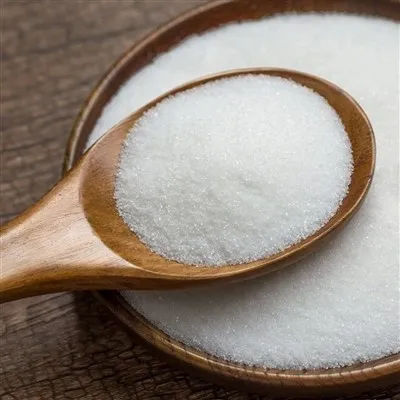
First off, what is fructose corn syrup? It’s a sweetener made from corn starch. Through a series of chemical processes, the starch in corn is broken down into glucose, and then some of that glucose is converted into fructose. The result is a syrup that’s a mix of glucose and fructose, and it’s used in a ton of food and drinks because it’s cheap, sweet, and has some great properties for food processing.
Now, when it comes to the liver, the way our bodies handle fructose and glucose is different. Glucose can be used by almost every cell in our body for energy. When we eat something with glucose, it gets absorbed into the bloodstream and can be taken up by cells all over. But fructose is mainly processed in the liver. Once we consume fructose, it goes straight to the liver, where it’s metabolized.
One of the big concerns about fructose corn syrup and the liver is its role in fat production. When the liver processes fructose, it can turn it into fat. This is called de novo lipogenesis. Unlike glucose, which is used more for immediate energy, fructose is more likely to be stored as fat. Over time, if you’re consuming a lot of fructose corn syrup, this can lead to an increase in fat in the liver. And having too much fat in the liver can cause a condition called non – alcoholic fatty liver disease (NAFLD).
NAFLD is a real problem. It’s becoming more and more common, and it can range from mild, where there’s just a little extra fat in the liver, to more severe cases where the liver can become inflamed (this is called non – alcoholic steatohepatitis or NASH). In some cases, NASH can even lead to liver scarring (cirrhosis) and liver failure.
Another issue is how fructose corn syrup affects the liver’s ability to regulate blood sugar. The liver plays a key role in keeping our blood sugar levels stable. It can store glucose as glycogen and release it when our blood sugar drops. But when we consume a lot of fructose, it can disrupt this normal blood sugar regulation. Fructose doesn’t stimulate the release of insulin in the same way glucose does. Insulin is the hormone that helps our cells take up glucose from the blood. So, if our body isn’t getting the right insulin response because of high fructose intake, it can lead to problems with blood sugar control.
There’s also some evidence that fructose corn syrup can contribute to insulin resistance in the liver. Insulin resistance means that the liver doesn’t respond properly to insulin. When this happens, the liver keeps making glucose even when the body doesn’t need it, and the cells in the body have a hard time taking up glucose. This can lead to high blood sugar levels and eventually type 2 diabetes.
But here’s the thing. It’s not all doom and gloom. The key is moderation. Just like with any food or ingredient, if you consume fructose corn syrup in reasonable amounts, it’s not going to cause major problems for your liver. The problem comes when people are consuming large amounts of it on a regular basis. A lot of processed foods and sugary drinks are loaded with fructose corn syrup, and that’s where the over – consumption happens.
In the food industry, fructose corn syrup has some real benefits. It’s a great sweetener because it has a similar taste to table sugar but is more soluble and has better shelf – life. It helps keep food moist and gives it a nice texture. For example, in baked goods, it can prevent them from drying out and going stale. In drinks, it gives a smooth, sweet flavor.
As a supplier, I understand the concerns about the health effects of fructose corn syrup. That’s why I’m committed to providing high – quality products and promoting responsible use. We work with our customers to make sure they’re using our FCS in a way that’s balanced and healthy.
If you’re in the food or beverage business, you might be wondering if you should still use fructose corn syrup. Well, it depends. If you’re looking for a cost – effective sweetener that has great functional properties, FCS is a good option. But you need to be aware of its potential health impacts and use it in moderation. You can also combine it with other sweeteners or ingredients to create a more balanced product.
I know some people are looking for alternatives to fructose corn syrup. There are other sweeteners out there, like honey, maple syrup, or stevia. Each of these has its own pros and cons. Honey and maple syrup are natural sweeteners, but they’re also more expensive and have different flavor profiles. Stevia is a zero – calorie sweetener, but it can have a bit of a different taste that some people don’t like.
So, in conclusion, fructose corn syrup can have an impact on the liver, especially if it’s consumed in large amounts. But when used in moderation, it can be a useful ingredient in the food and beverage industry. As a supplier, I’m here to help you make the best decisions for your products. If you’re interested in learning more about our fructose corn syrup products or have any questions about how to use them responsibly, I’d love to have a chat with you. Just reach out, and we can start a conversation about your needs.
Antioxidants References:
- Lustig, R. H., Schmidt, L. A., & Brindis, C. D. (2012). Public health: The toxic truth about sugar. Nature, 482(7383), 27-29.
- Stanhope, K. L., Schwarz, J. M., Keim, N. L., Griffen, S. C., Bremer, A. A., Graham, J. L., … & Havel, P. J. (2009). Consuming fructose-sweetened, not glucose-sweetened, beverages increases visceral adiposity and lipids and decreases insulin sensitivity in overweight/obese humans. The Journal of Clinical Investigation, 119(5), 1322-1334.
- de Souza, R. J., Mente, A., Maroleanu, A., Cozma, A. I., Ha, V., Kishibe, T., … & Anand, S. S. (2015). Intake of sugar-sweetened beverages, artificially sweetened beverages, and fruit juice and incidence of type 2 diabetes: systematic review, meta-analysis, and estimation of population attributable fraction. BMJ, 351, h3576.
Fudijia (Tianjin) Supply Chain Co., Ltd.
With abundant experience, we re one of the most professional fructose corn syrup manufacturers and suppliers in China. We warmly welcome you to wholesale bulk high quality fructose corn syrup made in China here from our factory. For more information, contact us now.
Address: 301-2-1C,Jin Bin Jie Zuo,No.98, Huanghai Road,TEDA, Tianjin, China
E-mail: foodchem@hjlfoods.com
WebSite: https://www.ifoodchem.com/
