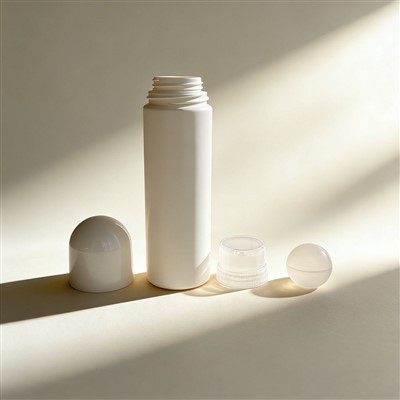
As a supplier of PP bottles, one question that frequently comes up in my interactions with customers is, "Are PP bottles resistant to cracking?" In this blog, I’ll dive deep into the science behind polypropylene (PP) bottles, explore their crack resistance, and provide practical insights for those considering PP bottles for their packaging needs. PP Bottle
An Overview of PP Bottles
Polypropylene is a thermoplastic polymer that’s widely used in various industries, including packaging. It belongs to the polyolefin family and is known for its excellent chemical resistance, high heat tolerance, and lightweight nature. These properties have made PP one of the most popular materials for manufacturing bottles. PP bottles come in different shapes and sizes, from small sample vials to large industrial containers, and are used for packaging products such as beverages, pharmaceuticals, cosmetics, and household chemicals.
Understanding Crack Resistance
Crack resistance is a crucial property for any packaging material, especially for bottles. Cracks can compromise the integrity of the package, leading to leakage, contamination of the contents, and a less – than – satisfactory customer experience. There are several factors that can cause cracking in bottles:
- Mechanical stress: This includes impacts during handling, transportation, or normal use. Dropping a bottle, squeezing it too hard, or subjecting it to sudden pressure changes can all lead to mechanical stress.
- Environmental factors: Temperature fluctuations, exposure to chemicals, and UV radiation can affect the physical properties of the bottle material over time, making it more prone to cracking.
- Material aging: As with any polymer, PP undergoes aging processes, such as oxidation and degradation, which can reduce its mechanical strength and increase its susceptibility to cracking.
Why PP Bottles are Resistant to Cracking
PP has several inherent properties that contribute to its crack resistance:
High Impact Strength
One of the main reasons why PP bottles are resistant to cracking is their high impact strength. Polypropylene has a relatively flexible molecular structure, which allows it to absorb and dissipate energy when subjected to an impact. This means that even if a PP bottle is dropped or bumped during handling, it is less likely to crack compared to more brittle materials. For example, in a series of drop tests, PP bottles showed a significantly lower failure rate compared to glass or certain types of rigid plastics.
Chemical Resistance
PP has excellent chemical resistance, which protects it from the corrosive effects of many substances. When used to package chemicals, the bottle’s surface is less likely to be attacked, which could otherwise weaken the material and make it more brittle. For instance, in the pharmaceutical and cosmetic industries, where products often contain various active ingredients and solvents, PP bottles can maintain their integrity over time, reducing the risk of cracking due to chemical exposure.
Good Flexibility
The flexibility of PP allows the bottles to withstand deformation without cracking. When a PP bottle is squeezed, it can return to its original shape, unlike some more rigid materials that may crack under similar pressure. This is particularly important for products that require a certain amount of squeezing for dispensing, such as lotion or soap bottles.
Resistance to Temperature Changes
PP has a relatively wide range of temperature tolerance. It can withstand both cold and hot temperatures without significant loss of its mechanical properties. In cold environments, it remains flexible rather than becoming brittle, which reduces the risk of cracking during freezing conditions. On the other hand, at elevated temperatures, it retains its strength, making it suitable for packaging products that may be exposed to heat during storage or transportation.
Enhancing Crack Resistance in PP Bottles
While PP already has good crack – resistant properties, there are several manufacturing techniques that can further enhance these characteristics:
Copolymerization
By copolymerizing PP with other monomers, we can modify its properties to improve impact resistance. For example, adding ethylene comonomers to the PP resin can create a more ductile material, which is less likely to crack under stress. This type of copolymer is often used in high – performance PP bottles, where enhanced durability is required.
Additives
The use of additives can also improve the crack resistance of PP bottles. Impact modifiers, such as rubber – based additives, can be blended with the PP resin to increase its toughness. UV stabilizers can protect the bottle from the harmful effects of sunlight, preventing the degradation of the PP over time and reducing the risk of cracking due to UV exposure.
Blow Molding Process Optimization
The blow molding process, which is commonly used to manufacture PP bottles, plays a crucial role in determining the final properties of the bottle. By carefully controlling the process parameters, such as temperature, pressure, and cooling rate, we can ensure that the bottle has a uniform wall thickness and optimal molecular orientation. This results in a stronger and more crack – resistant bottle.
Case Studies: Real – World Applications
To illustrate the crack resistance of PP bottles in real – world scenarios, let’s look at a few case studies:
Beverage Industry
In the beverage industry, PP bottles are becoming increasingly popular for packaging products such as sports drinks and water. A major sports drink manufacturer switched from glass to PP bottles for their outdoor – focused product line. After several months of use, they reported a significant reduction in the number of damaged bottles. The PP bottles were able to withstand the rough handling during transportation and the occasional drops from consumers, thanks to their high impact strength and crack resistance.
Pharmaceutical Industry
A pharmaceutical company uses PP bottles to package their over – the – counter pills. These bottles need to protect the pills from moisture, light, and mechanical damage. After a long – term stability study, it was found that the PP bottles maintained their integrity, showing no signs of cracking or leakage. The chemical resistance of PP ensured that the pills were well – protected from any interaction with the bottle material, while the physical properties of the bottle prevented cracking due to normal handling.
Conclusion
In conclusion, PP bottles are indeed resistant to cracking, thanks to their high impact strength, chemical resistance, flexibility, and ability to withstand temperature changes. Through advanced manufacturing techniques, such as copolymerization, the use of additives, and process optimization, we can further enhance their crack – resistant properties.
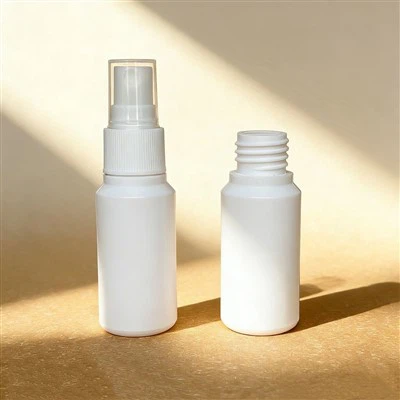
If you’re in the market for high – quality, crack – resistant packaging solutions, PP bottles are an excellent choice. Whether you’re in the food and beverage, pharmaceutical, cosmetic, or any other industry that requires reliable bottle packaging, we can provide you with the right PP bottles to meet your specific needs. Our team of experts is always ready to offer technical support and advice on choosing the best PP bottle for your product.
PE Bottle To learn more about our PP bottles and how they can benefit your business, or to discuss a potential procurement, please reach out to us. We look forward to the opportunity to work with you and provide you with top – notch packaging solutions.
References
- "Polypropylene: Structure, Blends, and Composites" by S. Fakirov
- "Handbook of Plastic Materials and Technology" edited by Irvin I. Rubin
- Industry reports on packaging materials and their performance in various applications.
Taizhou Fuyan Trading Co., Ltd.
As one of the most professional pp bottle manufacturers and suppliers in China, we’re featured by quality products and good service. Please rest assured to wholesale bulk pp bottle in stock here from our factory. Customized orders are welcome.
Address: Lupu Small and Micro Industrial Park, Lupu, Yuhuan City, Zhejiang Province
E-mail: taizhoufuyan@outlook.com
WebSite: https://www.fuyantrading.com/
