When I first started working in the PET panels industry over a decade ago, I often fielded the same question from architects, interior designers, and product developers: “Why PET panels? When there are so many other materials to choose from.” At the time, I didn’t have a full grasp of how PET panels stacked up against wood, metal, acrylic, or glass—each with their own loyal followings in the construction and design worlds. Today, as a supplier who works directly with clients to tailor panel solutions, I’ve seen firsthand how the comparison isn’t about picking a “best” material, but about matching the right properties to a project’s unique needs. This post breaks down that comparison, based on real-world testing, client feedback, and years of hands-on experience, to help anyone wondering where PET panels fit. PET Panels
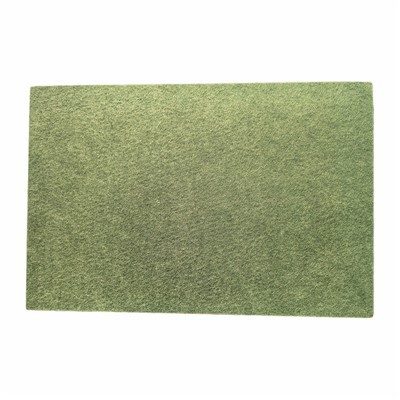
First, let’s ground ourselves in what PET panels are, for anyone new to the space. PET stands for polyethylene terephthalate, the same recyclable plastic used in single-use water bottles and food containers. For panels, we melt the resin into sheets, often reinforce them, and can add custom finishes—like sound-absorbing cores, decorative textures, or UV-stable coatings. What makes them unique is their core composition: most modern PET panels are made from post-consumer recycled (PCR) plastic, turning plastic waste that would otherwise end up in landfills or oceans into a finished building material. That circular angle is a big draw for green-focused projects, but it’s far from the only advantage.
Let’s start with the biggest competitor for interior applications: medium-density fiberboard (MDF) and solid wood. For years, MDF and solid wood were go-tos for wall panels, cabinetry, and furniture. When I first began comparing PET panels to wood, I thought they’d be a niche alternative for eco-only projects—but clients quickly pointed out practical benefits that wood can’t match. Let’s talk moisture resistance first. I recently had a hotel client redo their pool area; their old solid wood panels warped within 18 months from high humidity and chlorine exposure. We installed PET panels there three years ago, and they still look identical to the day they went in. Wood absorbs moisture, swells, and even develops mold if not properly sealed, especially in commercial spaces like kitchens, spas, or laundry rooms. PET panels have a non-porous surface, so they don’t absorb water—simple, but a game-changer for high-moisture zones.
Then there’s weight. Solid wood is heavy, which adds to shipping costs and makes installation more labor-intensive. A 4×8 foot sheet of ½-inch solid wood weighs about 50 pounds; the same size PET panel weighs roughly 25 pounds. For large-scale projects, that adds up: a school we supplied last year cut their installation time by 30% just because their crew could handle larger sheets without extra equipment. Also, wood has natural inconsistencies—each board has knots, color variations, and grain patterns that require careful matching. PET panels are made in controlled manufacturing environments, so their finish and dimensions are uniform across every sheet. That consistency is huge for commercial spaces where clean, cohesive design is key.
That said, wood has its strengths. It has a warmth and natural texture that many designers prefer for residential spaces or high-end retail where a rustic vibe is intentional. It’s also easier to repair small scratches with wood filler and touch-up paint, whereas deep scratches on PET panels can be harder to fix. But for many clients, the trade-off for moisture resistance, uniform appearance, and lower weight is worth it—especially when they can choose PET panels made from 100% PCR material, which aligns with their sustainability goals.
Next, let’s look at acrylic and polycarbonate, two plastic-based competitors that are often pitted against PET. These materials are valued for their transparency and durability, used for everything from window displays to protective barriers. On price, acrylic is usually cheaper than PET panels for basic clear sheets, but that price gap narrows dramatically when you account for long-term performance. Acrylic scratches easily—our clients who use acrylic for public spaces like office lobbies often report needing to replace panels every 5 to 7 years due to scuff marks. PET panels have a harder surface, resistant to everyday abrasions from foot traffic, cleaning products, and accidental bumps. I’ve had a university client with student common areas use our PET panels for 4 years, and they still have minimal visible damage, whereas their old acrylic panels were replaced twice in that same period.
Another key difference: chemical resistance. Acrylic can cloud or crack when exposed to common cleaning chemicals, like bleach or ammonia-based solutions, which are standard in commercial cleaning protocols. PET panels are resistant to most mild to moderate chemicals, so they can be cleaned without risk of damage— a critical factor for healthcare facilities, schools, and restaurants. That said, acrylic has better transparency for applications where visibility is key, like partition walls that need to let light through while acting as a physical barrier. For non-transparent applications or mixed-use spaces where durability trumps clear visibility, PET often outperforms.
Now, metal panels—aluminum, steel, and stainless steel—another popular option for exterior cladding and industrial interior spaces. Metal is prized for its strength and sleek, modern aesthetic, but it comes with two big downsides for many interior applications: cost and sound. A common question I get is, “Is PET more affordable than metal?” For most standard interior panels, yes. A 4×8 foot sheet of 16-gauge aluminum costs roughly twice as much as the same size ½-inch PET panel, depending on finish. That price difference is why we see PET used in budget-friendly commercial projects, like coffee shops or co-working spaces, where metal would push costs too high.
Then there’s sound absorption. This is where PET panels shine, and where metal falls short. Most metal panels are solid, reflective surfaces that create echo in open spaces—like a restaurant with metal walls can feel noisy because sound bounces off every hard surface. We specialize in acoustic PET panels, which have a core made of recycled PET felt that absorbs sound waves. A 2022 independent test we conducted with a local architectural firm found that our acoustic PET panels have a noise reduction coefficient (NRC) of 0.85, meaning they absorb 85% of sound, compared to 0.05 for standard aluminum panels. That’s a huge difference for spaces like offices, classrooms, or restaurants, where acoustics directly impact comfort and productivity. Metal also conducts temperature, so in spaces with extreme temperature swings, metal panels can feel cold to the touch, whereas PET is a better insulator.
But metal does have its place. For exterior applications, it’s more weather-resistant than basic PET panels—though we do offer UV-stabilized PET panels that perform well in outdoor settings, making them a viable alternative to aluminum for facade cladding in mild climates. Also, metal has a premium, industrial look that can’t be replicated; a sleek stainless steel wall in a high-end tech office is still a popular design choice. But for 70% of the interior projects we work on, PET’s balance of cost, sound absorption, and durability makes it the better fit.
Last up, glass—yet another heavyweight in design, used for partitions, shower enclosures, and decorative walls. Glass is iconic for its transparency and elegant, minimalist look, but it’s also fragile, heavy, and expensive. A 4×8 foot sheet of ¼-inch glass weighs roughly 80 pounds—far heavier than PET’s 25-pound sheet, which makes installation risky and costly, especially for upper floors. Glass is also prone to cracking if hit, and shatters into sharp pieces, which is a safety hazard in spaces with high foot traffic or children. PET panels, by contrast, are shatter-resistant; if they’re hit hard, they’ll dent or scratch but won’t break into sharp fragments. That makes them a better choice for schools, gyms, or retail spaces where safety is a top priority.
Cost-wise, glass is far more expensive than PET. A basic 4×8 foot clear glass sheet costs about three times as much as the same size PET panel, and adding frosted or decorative finishes pushes that price even higher. That’s not to say glass isn’t worth it for its aesthetic—we work with designers who specify glass for high-end lobbies where transparency is non-negotiable. But for most back-of-house areas, office partitions that don’t need full visibility, or children’s play spaces, PET is a safer, more affordable alternative that delivers similar visual effects when paired with a frosted or tinted finish.
Beyond these comparisons, there’s one angle that ties everything together that I’ve seen resonate with all clients, no matter their industry: sustainability. When we supply PET panels, we don’t just talk about “eco-friendly” as a buzzword—we can walk clients through the material’s lifecycle: from post-consumer plastic water bottles collected from curbside recycling, melted down into resin, formed into panels, and then, at the end of the product’s life, recycled again. That closed-loop process is something most other materials can’t match. Wood is renewable, but it requires deforestation if not sourced responsibly. Metal is recyclable, but manufacturing it requires mining and high energy use. PET panels turn waste into a high-performance building material, which is a big selling point for projects targeting LEED or BREEAM certifications.
Of course, no material is perfect. PET panels do have limitations. They can’t replicate the natural warmth of solid wood or the sleek industrial look of metal. Basic PET panels are not as weather-resistant as aluminum, though we do offer heavy-duty outdoor-rated options. Also, for very high-temperature applications, like industrial kitchens with constant high heat, PET can warp—though it’s still resistant to most food service chemicals, which makes it a better fit than many other plastic options in that space.
As a supplier, my job isn’t to tell clients to choose PET panels over every other material—it’s to match the material to the project’s needs. Last year, I worked with a small café that wanted a budget-friendly, low-noise interior for their 20-seat space. We recommended acoustic PET panels, which cut their sound levels by 30% and stayed within their budget by 40%, compared to using wood or metal. I also worked with a hospital that needed wall panels for their pediatric wing, where safety was key—shatter-resistant PET panels were a perfect fit, durable enough for kid’s active play and easy to clean with harsh disinfectants. If a client is building a high-rise lobby with floor-to-ceiling transparency, I’ll still recommend glass. If they’re building a pool house, a school classroom, or a sustainable retail space, PET panels are almost always on my shortlist.

If you’re considering panels for your next project and want to talk through the pros, cons, and custom options—whether that’s acoustic cores, custom colors, or PCR content rates—don’t hesitate to reach out. I work directly with designers, contractors, and facility managers to create tailored solutions that balance performance, budget, and sustainability, no matter the scope.
Felt Acoustic Panel References
- American Society for Testing and Materials (ASTM). Standard Test Method for Noise Reduction Coefficient (NRC) of Acoustical Materials, 2021.
- National Wood Flooring Association. Moisture Resistance of Engineered Wood vs. Plastic Composite Materials, 2020.
- Plastics Industry Association. Performance Characteristics of PET Sheet for Building Applications, 2022.
- Metal Construction Association. Comparative Cost Analysis of Interior Wall Panel Materials, 2021.
- Glass Association of North America. Durability and Safety Standards for Glass Interior Panels, 2020.
Suzhou Trano New Material Technology Co., Ltd.
As one of the most professional pet panels manufacturers and suppliers in China, we also support customized service. Please feel free to buy bulk high quality pet panels for sale here from our factory. For price consultation, contact us.
Address: SuZhou
E-mail: info@trano-tech.com
WebSite: https://www.tranofelt.com/
