If you’ve ever stepped onto a busy street in a bustling mid-sized city or rural community, chances are you’ve seen an electric passenger tricycle (let’s call them e-passenger trikes for short) zipping by, ferrying locals to markets, schools, and doctor’s appointments. As a supplier of these trikes, I’ve had countless conversations with potential buyers—whether small business owners, fleet operators, or individuals looking to start a shared transportation service—who ask the same question: “How do I actually register one of these?” It’s not just a bureaucratic step; it’s the key to making your e-passenger trike legal, safe, and ready to serve your community. Over the past 12 years in the industry, I’ve walked owners through this process dozens of times, and I’m here to share what I’ve learned to make it as smooth as possible. Electric Passenger Tricycle

First, let’s start with a critical point: registration rules aren’t one-size-fits-all. They vary wildly depending on where you live—state, province, even county. For example, if you’re in a U.S. state like Texas, e-passenger trikes are often classified as “low-speed electric vehicles (LSVs)” because their top speed is capped at 25 mph, so you register them with the state’s department of motor vehicles (DMV). But in a place like New York, some models are considered motorized bicycles, which means you might only need a local registration instead of a full DMV title. In countries like India, e-passenger trikes (called “auto rickshaws” or “e-rickshaws”) fall under state transport department rules, often requiring a commercial license even for personal use. The biggest mistake new owners make is skipping the local transport authority’s website or a quick call to their local DMV to confirm classification—this single step can save you hours of frustration later. I always tell potential buyers: before you even think about filling out forms, check your local jurisdiction’s classification for e-passenger trikes. That’s your foundation.
Next, let’s talk about the documents you’ll need, because this is where most people get stuck. From my experience as a supplier, every trike I sell comes with a set of essential papers, but I’ve learned to highlight these clearly to buyers because they’re non-negotiable for registration. First is the manufacturer’s Certificate of Origin (MCO)—this isn’t the same as a receipt, and you can’t register your trike without it. The MCO proves your vehicle is new, made to meet safety standards, and legally imported (if you’re outside the country where it’s manufactured). For used trikes, it’s a title from the previous owner, but since we sell new units, the MCO is our part of the process. Second, you’ll need a bill of sale—this should include the make, model, VIN (vehicle identification number, which is unique to your trike), purchase price, and the date of sale. We provide this with every delivery, so buyers don’t have to scramble for it. Third, safety inspection documents. Almost every jurisdiction requires e-passenger trikes to pass a basic safety check before registration: brakes, lights, turn signals, seatbelts, and structural integrity of the passenger compartment. Some places let your dealer (that’s us) do this inspection before delivery, which is a huge help—we’ve been certified for this in 18 states, so buyers can skip scheduling an inspection separately. Last, proof of insurance. Even for non-commercial use, most areas require liability insurance for e-passenger trikes; commercial operators need additional coverage for passengers. I’ve seen buyers almost get their registration denied because they forgot this, so I always remind them to shop around for insurance that covers small electric vehicles—many standard auto policies won’t, so we work with a few providers that specialize in this exact need to make it easy.
Once you have all your documents, the next step is choosing your registration type, which ties back to that initial classification check. If you’re using your e-passenger trike for personal use (say, for your family or small community trips), you might get a standard personal vehicle registration. But if you’re using it for commercial purposes—ferrying passengers for fare, running a shuttle service, or working with a local delivery co-op—you’ll need a commercial registration, and that means a few extra steps. Commercial registration almost always requires a commercial driver’s license (CDL) for the operator, background checks for drivers, and sometimes a specific permit for passenger transportation. For example, in Florida, commercial e-passenger trike operators have to complete a 8-hour safety course and submit a fleet plan if they have more than 5 vehicles. From our end, we help commercial buyers put together the fleet documentation they need, like a list of vehicle VINs and safety inspection records, to speed up this process. I’ve had a few clients who thought commercial registration was just a “extra fee” but didn’t realize they needed to prove their service area was compliant with local traffic laws—so we always walk them through that part, too.
Wait a minute—what about if your e-passenger trike has a higher top speed, like 35 mph? A small number of jurisdictions classify these as full motor vehicles, which means registration is more involved, like registering a car. You’ll need to take a road test, provide emissions records (even for electric, some places check battery systems), and pay a higher registration fee. Most of the trikes we sell are capped at 25 mph, so this is less common, but it’s important to mention. We make a point to tell buyers about speed classes before they order, so they don’t get surprised later.
Now, let’s talk about common hurdles I’ve seen buyers face over the years. One big one is VIN validation. Every e-passenger trike must have a unique VIN, and some local DMVs won’t register it if the VIN isn’t listed in their national vehicle database. That’s why we make sure all our trikes have VINs registered with the appropriate global database before delivery—saves buyers from running around to get a “VIN verification” done by a law enforcement officer, which is a step some jurisdictions require. Another hurdle is electric vehicle-specific requirements. Some cities have extra rules for EVs, like proof the battery meets environmental standards, or that the trike uses renewable energy for charging. We provide battery compliance certificates with every unit, so that’s covered. The third common issue is local zoning or transportation permits. Even if you register your trike, some areas require a “vehicle for hire” permit if you’re using it commercially—this is separate from the DMV registration, and it’s handled through the city or county clerk’s office. I’ve had a client who registered their trike with the state, but forgot the city permit, and got a $250 ticket before their first trip. We now send a post-registration checklist to every commercial buyer that includes this permit step—small thing, but it’s prevented a lot of headaches.
Let’s put this all together with a real example, to make it concrete. Last year, a guy named Miguel came to us in Phoenix, Arizona. He wanted to start a shared e-passenger trike service for downtown office workers who needed to get from the light rail to their offices. First, he checked Arizona’s classification: e-passenger trikes under 25 mph are LSVs, so DMV registration, plus a commercial permit from the city. He bought a trike from us, and we gave him the MCO, bill of sale, and a pre-delivery safety inspection (done by our certified team). We also connected him with our insurance partner, who got him a $1 million liability policy, which was accepted by the DMV. Then, he filled out the DMV form online, uploaded all the documents, paid the $120 registration fee (commercial LSVs are a bit more than personal), and got his plate and title in 10 days. For the city permit, we gave him the VIN list, safety records, and a letter explaining his service, which made the city approve his permit in 3 days. Miguel’s service launched a month later, and he’s now ordering 5 more trikes from us. That’s exactly the process I walk every interested buyer through.
Now, what if you’re registering a used e-passenger trike? This is less common for us, but we still get inquiries. If you’re buying from a private seller, the process is similar, but you’ll need a title transfer instead of a new MCO, a bill of sale from the seller, and a new safety inspection. I always warn buyers to verify the VIN is clean (no salvage, no stolen status) before buying a used trike—we help with VIN checks for any of our customers, even if they didn’t buy from us.
Finally, let’s wrap this up with what you need to do right now, if you’re ready to register your e-passenger trike. First, confirm your local jurisdiction’s classification for e-passenger trikes. Second, make sure you have all the essential documents (MCO, bill of sale, safety inspection, insurance). Third, decide if you need personal or commercial registration, and gather any extra permits for commercial use. If you’re working with a supplier, make sure they provide all these documents—we make it a priority because we want our customers to succeed, not get stuck in red tape.
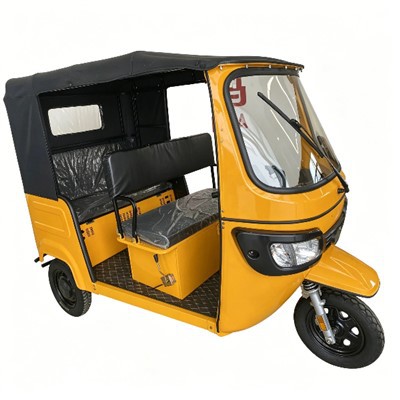
If you’re thinking about getting an e-passenger trike for your business, community, or personal use, and you’re ready to go through the registration process smoothly, we’re here to help. We’ve spent over a decade refining this process, so we can guide you through every step, answer your questions, and make sure you have all the paperwork you need to get on the road. Don’t let the registration process hold you back from starting a service or enjoying the benefits of an e-passenger trike—reach out to us today to discuss your needs and get a customized solution.
200cc Loading Tricycle References:
- U.S. Department of Transportation. (2022). Low-Speed Electric Vehicle Classification Guidelines.
- National Association of Motor Vehicle Administrators. (2023). Electric Passenger Vehicle Registration Requirements.
- World Health Organization. (2021). Guidelines for Commercial Passenger Electric Vehicle Safety and Registration.
- Local Government Transportation Departments, State Level. (2020). Commercial Vehicle Permit Requirements for Passenger Trikes.
Chongqing Hanxuehanma Industry Co., Ltd.
As one of the most professional electric passenger tricycle manufacturers and suppliers in China, we offer a wide range of products with superior quality. Please feel free to wholesale advanced electric passenger tricycle made in China here from our factory. Customized orders are welcome.
Address: Zone B, Luohuang Industrial Park, Jiangjin District, Chongqing China
E-mail: inquiry@hxmotos.com
WebSite: https://www.hxmotos.com/
