Hey everyone, if you’ve ever shopped around for PVC vacuum hoses—whether for a workshop, automotive shop, HVAC job, or even a home vacuum system—you’ve probably wondered, “Are there different colors available for these hoses?” As someone who’s been in the PVC vacuum hose supply game for over a decade, I get this question all the time, and honestly, it’s not a silly one. Color might feel like a small detail, but it actually ties into practical stuff, brand recognition, and even performance, so let’s break this down straight. PVC Vacuum Hose
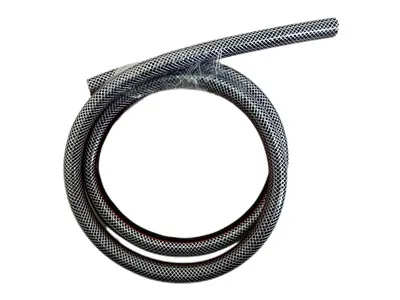
First off, let’s start with the basics: what makes a PVC hose get colored in the first place? PVC itself is a clear or off-white resin, right? To add color, manufacturers mix in pigments during the extrusion process. That’s the step where molten PVC is pushed through a die to make that long, flexible tube shape. The cool thing is, pigments are totally compatible with PVC compounds here—no weird chemical reactions that ruin the hose’s flexibility, vacuum rating, or durability. Most of the time, you just adjust the amount of pigment, and boom, you get a consistent color through every foot of the hose.
Now, let’s talk about why color matters for different industries because that’s where the “different colors” thing actually makes sense. Let’s start with HVAC folks—they use PVC vacuum hoses all the time for evacuating refrigerant lines, right? Those hoses usually come in bright colors like blue, green, or red. Why? It’s super practical for trade work. Bright colors stand out on a cluttered job site so you don’t step on or kink them by accident. Also, many HVAC companies have brand colors they want their tools to match—so blue hoses mean their tech knows it’s the refrigerant line hose, not something else. That cuts down on mix-ups on busy jobs.
Then there’s automotive shops. A lot of times, they use clear PVC hoses for vacuum lines that run to brake boosters, intake manifolds, or emissions systems. Wait, but you also see black PVC hoses in automotive too. Black is popular for automotive because it hides dirt, grease, and road grime way better than bright colors. Under the hood, everything’s messy, so a black hose doesn’t show fingerprints or oil splatters as fast—way less work to keep it looking good. Plus, black PVC sometimes has a bit of UV stabilizer added (more on that later) which is perfect for hoses that might hang under a truck’s chassis, exposed to sun all day.
Home vacuum systems, the kind you install in walls with central vacs, often use white or off-white PVC hoses. Why? Because they blend in with the walls and ceiling pipes. If you’re running a hose through a basement wall or attic, you don’t want it to stick out like a sore thumb. White is neutral, so it matches most drywall and paint colors. Some pet owners might even ask for red or orange for their central vac hoses—again, bright so you don’t lose it behind furniture or in a closet.
Wait, what about industrial uses? Like factories that use vacuum hoses for moving dust, plastic pellets, or small parts. Those hoses come in all sorts of colors—yellow is super common for industrial because it’s a safety color that alerts workers “this hose is for material transport, not for liquid” or “don’t trip over it.” Some manufacturing facilities even have color-coded hose systems across their plant—red for air, blue for water, green for vacuum, so maintenance teams can spot which line they’re working on without checking labels. That’s a huge time-saver when you’re troubleshooting a line that’s not working.
But hold on—are there limits? I get asked that too, like “can I get a custom color for my whole fleet of hoses?” The short answer is yes, but there are a few things to watch out for. First, pigment type. If you’re using a hose outdoors, regular pigments might fade in sunlight. So for outdoor use, we use UV-stable pigments that don’t break down when exposed to UV rays. That’s why black hoses for outdoor jobs are more durable than, say, a light gray that might fade after a few months. Also, some pigments can affect the hose’s flexibility? Wait, no—modern pigments are formulated specifically for PVC, so that’s not a huge issue anymore, but cheaper pigments (from no-name suppliers) might make the hose brittle over time. That’s why we always stick to high-quality pigments when we customize colors for our clients.
Another thing: color doesn’t affect the hose’s vacuum performance, right? Let’s make that clear. The pigments are just added to the PVC compound, they don’t change the wall thickness, the tensile strength, or the vacuum rating. A 1-inch blue hose is just as good as a 1-inch black hose for pulling a 28-inch mercury vacuum—same exact specs, just different color. The only time color ties to performance is if you pick a color that hides damage better. Like, if you have a hose that’s in a dusty environment, a black hose will hide small cracks or wear longer than a white one, which would show every tiny scratch. That’s a practical benefit, not a performance one.
Wait, let’s talk about common myths here. I’ve heard people say “colored PVC hoses are more expensive.” Is that true? Sometimes, but not always. If it’s a standard color—blue, green, black, white—they’re usually the same price as clear or off-white. The extra cost only comes when you want a custom, one-off color, like a specific brand’s purple or orange, or a color that requires a unique pigment mix. That’s because we have to adjust the compound slightly to get the exact shade, and we might have to run a small production batch for it. For most regular uses, standard colors don’t add any cost at all.
I’ve worked with so many clients on this. Last year, a small HVAC company came to us and asked for red hoses to match their brand. They had 50 techs, all with red tool bags, so they wanted their vacuum hoses to match. We got that done for them at no extra cost because red is a standard color we stock. Then, a couple months later, a food processing plant reached out—they wanted bright green hoses for their vacuum lines that move grain, so workers could easily see if a hose was kinked (kinks in grain hoses can slow down production a lot). Again, green is standard, no extra charge. But a landscaping company wanted a custom tan hose for their lawn care vacuum system, to blend in with grass. That was a custom order, so it cost a little more, but they saved money because they didn’t have to replace hoses that got lost in the yard all the time. That’s the trade-off.
Now, what about smaller hoses, like the ones for portable shop vacs? Those usually come in clear or black, right? Clear is good because you can see if there’s gunk building up inside, so you know when to clean the hose. Black is good for hiding the gunk, so the shop looks neater. Either way, both are available, so you can pick based on what’s more important for you.
Wait, let’s make sure we’re not skipping over something important: health and safety. Some industries, like food and beverage or medical, have rules about PVC compounds. If you need a hose for food contact, you might want a white hose because it’s easier to inspect for mold, bacteria, or contamination. A clear hose would also work here, but white is often preferred because it doesn’t yellow as fast when exposed to cleaning chemicals. For medical uses, color-coded hoses can help prevent cross-contamination—like using blue for one patient’s vacuum line, red for another, so you don’t mix them up. That’s a big reason hospitals and clinics use different colors for their hoses.
So to wrap this up: yes, there are tons of colors available for PVC vacuum hoses. From standard bright colors for job sites and brand matching, to neutral colors for blending in, to custom colors for specific needs. The only time you might pay extra is for a custom shade, and color never affects the hose’s actual vacuum performance or durability—unless you pick an outdoor color that’s not UV-stable, which would shorten its life.
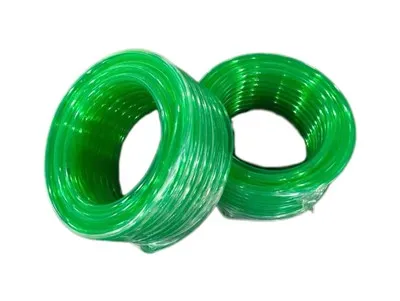
If you’re in the market for PVC vacuum hoses and you’re not sure what color works best for your use case, or you’re looking to order some with a specific shade, hit us up. We can walk you through the standard colors we have in stock, talk about custom options, and even help you pick the right color based on your job’s needs—whether that’s HVAC, automotive, industrial, home use, something else. Don’t overthink the color, but it’s definitely a practical detail that can make your job easier.
Layflat Hose References:
- "PVC Compound Fundamentals for Extrusion", Plastics Technology, 2021.
- "Color in Industrial Hoses: Practical Applications", Industrial Hose Association, 2022.
- "HVAC Trade Tools: Color Coding Best Practices", HVAC News, 2023.
- "UV Stability in PVC Outdoor Products", Journal of Vinyl and Additive Technology, 2020.
Weifang Xinzhiyuan Plastic Co., Ltd.
As one of the most experienced pvc vacuum hose manufacturers and suppliers in China, we offer a wide range of products with superior quality. Please feel free to wholesale premium pvc vacuum hose made in China here from our factory. We also accept customized orders.
Address: No. 700, Tongle Street, Economic Development Zone, Changle County, Weifang City, Shandong Province
E-mail: hua@xzypvchose.com
WebSite: https://www.pvchose-xzy.com/
