If you’ve ever pulled up to a truck stop and glanced at the compact, factory-built fuel units tucked away near the parking lot, you’ve seen a skid-mounted fuel station—skids that have completely changed how commercial fleets, construction sites, and remote operations fuel up, while solving one of the oldest and most costly headaches in fuel management: leaks. For us as a skid-mounted fuel station supplier, leak prevention isn’t just a selling feature; it’s the core of everything we design, build, and stand behind. I’ve spent the last 12 years working with fleets that have dealt with underground storage tank (UST) leaks, soil remediation costs, regulatory fines that put small operations out of business, and I can tell you: skid-mounted units eliminate most of those risks before they ever start. Skid-mounted Fuel Station
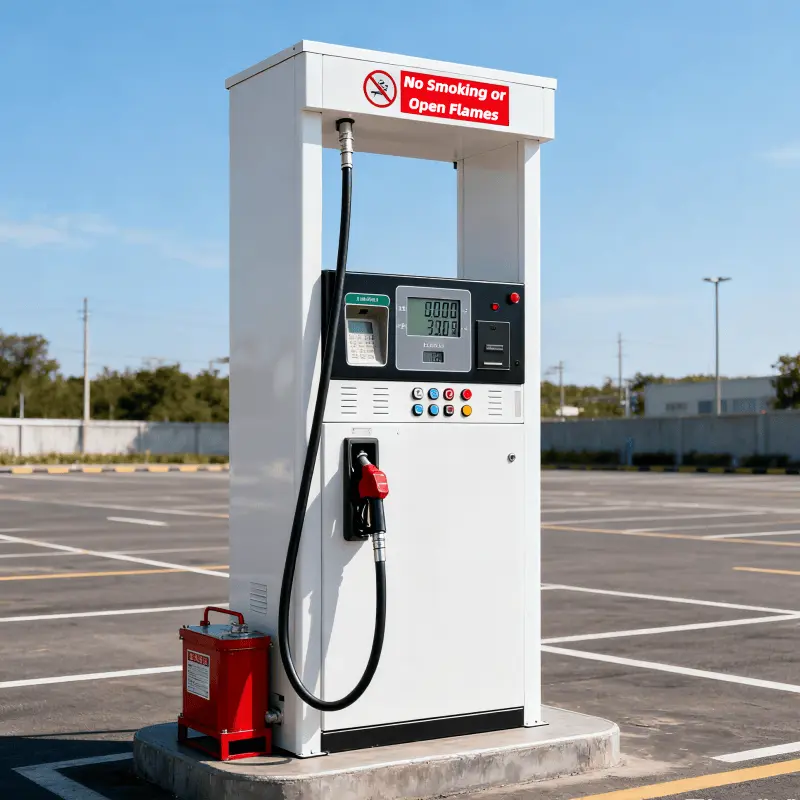
Let’s break this down. When we talk about leaks from fuel stations, most people picture a rusty underground tank leaking into groundwater, or a cracked above-ground pipe seeping fuel into the soil. Traditional build-and-install stations have loose connections, unmonitored lines buried in untested soil, and seals that degrade over time, especially in harsh environments like Arctic construction sites, desert mine sites, or coastal operations where salt air eats away at metal. Skid-mounted stations, in contrast, are built in a controlled factory setting, tested rigorously before they ever leave our yard, and engineered for leak prevention at every single point. It’s not one thing—it’s a layered system, like how a fire alarm works with smoke detectors, sprinklers, and fire extinguishers, all working together instead of one single part.
First, the tank itself. For years, many above-ground tanks were single-walled steel, which sounds sturdy until you realize steel rusts from the inside out, hidden by the fuel it holds. When we build our skid units, we don’t use single-walled tanks. All our primary fuel storage tanks are double-walled: a inner containment tank that holds the actual fuel, and a outer secondary tank that forms a sealed, hollow barrier around it. The gap between the two walls isn’t empty—we fill it with a non-conductive, non-corrosive fluid that’s denser than diesel or gasoline, so if there’s even a tiny pinhole leak in the inner tank, fuel would seep into the gap, not out into the environment. The secondary wall catches every drop before it ever has a chance to escape. That’s a huge step up from traditional USTs, which only have a single wall, with occasional secondary liners that get damaged during installation. Factory-built double-walled tanks are precision-welded in a climate-controlled space, so there are no sloppy welds from a technician working on a job site in the rain, no backhoe denting the side of the tank during installation—all the weak points of on-site construction are eliminated.
Next, the piping and connections. This is where a lot of leaks happen in traditional stations: loose flange connections, cracked PVC or metal pipes exposed to temperature swings, or improper sealing around pipe penetrations into the tank. On skid-mounted units, all the piping is plumbed and pressure-tested in the factory. We use only Schedule 80 high-density polyethylene (HDPE) for fuel lines, which is resistant to corrosion, chemical degradation, and temperature changes that cause metal pipes to expand and contract and develop cracks over time. Every single joint—even the ones connecting the pump to the tank, and the fill point to the tank—are heat-fused, not glued or bolted together. Heat fusion melts the HDPE at the joint, so it becomes one solid piece of pipe, not two separate parts connected by a weak seal. We test every piping system to 150% of its working pressure, and hold it for 24 hours before the unit leaves our facility. If there’s even a 0.1 psi drop in pressure, we go back and find the leak before it ever gets to the customer. That’s impossible to do with on-site piping, where a technician can only test sections at a time, often in difficult-to-access areas like under concrete or in dirt trenches.
Then there’s monitoring. You can have the best tank and piping, but if you don’t have eyes on it, a leak can sit there for weeks or months, causing damage you can’t undo. All our skid-mounted stations come standard with continuous leak detection systems, two actually. The first is the interstitial leak detection sensor, mounted in the gap between the inner and outer tank walls. This sensor is calibrated to detect even a 0.1-gallon leak in the inner tank—small enough that you wouldn’t even notice a puddle on the ground. It sends an immediate alert to a dedicated control panel on the unit, and many models can integrate with the customer’s fleet management software or our 24/7 remote monitoring service. The second is the overfill prevention system, which is a non-negotiable for every unit we build. When fuel is being pumped into the tank, a float switch at the 90% full level triggers an automatic shutoff. On traditional stations, overfills happen because a technician misreads the gauge, or a pump malfunctions, and thousands of gallons spill onto the ground or into the soil, which is a major environmental hazard and a huge regulatory fine. Our overfill system is mechanical, not just electronic, so even if the power goes out, it still works. We also add ground level leak detection at the base of the skid, so if any small leak does escape the secondary tank, it’s caught on the ground before it can drain into dirt or a storm drain. This is especially critical for customers in urban areas, where storm drains lead directly to rivers or groundwater, and even a gallon of gasoline can contaminate an entire aquifer.
Another thing we focus on is material compatibility, especially for customers operating in extreme environments. A lot of skid-mounted station suppliers cut corners by using cheap seals or metals that don’t hold up to salt, humidity, or temperature swings. For example, our seals and gaskets are made of Viton, a fluoroelastomer that’s resistant to both gasoline and diesel, as well as harsh chemicals and UV radiation, so they don’t crack or degrade after years of being exposed to the sun. For customers near the ocean, we build our units with 316 stainless steel for all external parts, not regular steel that rusts within a year. We’ve had construction companies in the Gulf Coast tell us their old traditional stations needed new pumps every two years because of salt corrosion, but our skid units have been running for 7 years without a single pump replacement due to corrosion. That’s not just a durability thing—it’s a leak prevention thing. A rusted pump seal is a common cause of small leaks that go unnoticed until they turn into big environmental incidents.
Installation is another part of leak prevention that skid-mounted units get right. Traditional UST stations have to be dug into the ground, which means disturbing soil, which can introduce contaminants into the area, but more importantly, it means you have to rely on soil compaction and proper grading around the tank to prevent shifts that crack pipes or damage the tank. When we install a skid-mounted station, it’s set on a reinforced concrete pad, leveled, and anchored with heavy-duty bolts so it never shifts, even during earthquakes or heavy truck traffic on construction sites. We don’t have to dig trenches for piping that can collapse or settle, so all the connections stay tight and aligned as the unit ages. For customers who need to move their fuel station—like construction companies that move from one job site to another every 6 months—skid-mounted units can be disconnected, moved, and reinstalled, and we retest the entire system after every move to make sure there are no new leaks. Traditional UST stations can’t be moved at all without major disassembly and reassembly, which almost always introduces new leak points.
Regulatory compliance is a big driver for all this, and it’s worth noting that skid-mounted stations are designed to meet or exceed all federal and local environmental regulations, from the EPA’s Underground Storage Tank regulations to state-level rules for fuel storage and handling. We’ve had customers who were tired of paying thousands of dollars in annual inspections and remediation for their old UST stations switch to our skid units, and their inspection costs dropped by 70% because the layered leak prevention system reduces the need for frequent soil testing. I remember one customer in Wyoming who had a UST leak that cost them $120,000 in remediation, fines, and site cleanup. They switched to our skid-mounted diesel station for their 20-truck fleet, and in 5 years, they haven’t had a single leak incident, and their annual inspection cost went from $18,000 to $2,500. That’s not just about compliance—that’s about protecting their business from unexpected costs that can put them out of work.
Of course, no system is 100% foolproof, which is why we also emphasize training for the people who operate these units. Even the best double-walled tank won’t prevent a leak if a technician overfills it or damages the piping during maintenance. That’s why we provide hands-on training for every customer that buys a unit, covering everything from daily inspections to how to respond if an alert goes off. We also offer a maintenance program for customers who don’t have dedicated fuel management staff, where our team does quarterly inspections, tests all leak detection systems, and replaces seals and gaskets before they have a chance to fail. It’s not enough to just sell a skid unit—we stand behind its leak prevention for the entire lifecycle.
I’ve been in this industry long enough to see how many small businesses and fleet operators get burned by old, outdated fuel station technology. The old model of digging a hole, putting a tank in it, and hoping it doesn’t leak is irresponsible, expensive, and bad for the environment. Skid-mounted fuel stations aren’t just a more convenient option—they’re a safer, more reliable way to store and dispense fuel, because leak prevention is built in from the design stage, not added on as an afterthought. Every weld, every pipe joint, every sensor is checked and rechecked before the unit leaves our facility, and we back it up with remote monitoring and training, so our customers never have to worry about hidden leaks costing them money or harming the environment.

If you’re tired of dealing with leak risks, high inspection costs, and the hassle of outdated fuel infrastructure, we can help. Our team works with fleets of all sizes, from small local delivery companies to large national construction firms, to design and build skid-mounted fuel stations that fit your specific needs. We understand that every operation is different—some need units for remote job sites with no power, others need units for urban locations with strict environmental rules—and we customize every aspect of the leak prevention system to match. Reach out to our team to discuss your fuel station needs, and we’ll walk you through how our skid-mounted units can eliminate leak risks, reduce your operational costs, and keep your fueling operations running smoothly for years to come.
Double-walled Tank REFERENCES
- U.S. Environmental Protection Agency. (2022). Underground Storage Tank Regulations: Leak Prevention and Detection Requirements. EPA 510-R-22-001.
- American Petroleum Institute. (2021). Standard for Aboveground Petroleum Storage Systems, 6th Edition. API Publication 650.
- National Fire Protection Association. (2020). Standard for the Storage and Handling of Petroleum Liquids, 42nd Edition. NFPA 30.
- American Water Works Association. (2019). HDPE Piping Systems for Fuel Service Applications, 2nd Edition. AWWA M55.
- Occupational Safety and Health Administration. (2023). Process Safety Management of Highly Hazardous Chemicals: General Industry Requirements. OSHA 3313-07N.
Shandong Jingcai Industry and Trade Co., Ltd.
As one of the most professional skid-mounted fuel station manufacturers and suppliers in China, we also support customized service. With abundant experience, we warmly welcome you to wholesale high quality skid-mounted fuel station in stock here from our factory. Contact us for free sample.
Address: Caojiazhuang Village Industrial Park, Lingcheng Town, Qufu City, Jining City, Shandong Province.
E-mail: shandongjingcai888@gmail.com
WebSite: https://www.sdjingcaicn.com/
