If you’re running a factory, fabrication shop, or industrial setup, you know TIG welding isn’t just “joining metal”—it’s the backbone for everything from aerospace components to food-grade stainless steel tanks. But with shelves stacked with TIG machines, how do you cut through the noise and pick the one that’s actually worth investing in? I’m a TIG welding machine supplier who’s talked to 100+ industrial clients this year, and I’ve seen what flops (cheap import units that break down mid-job) and what crushes it (models that keep productivity up and downtime low). Let’s break down what makes a TIG machine industrial-grade, and which ones actually live up to the hype. TIG Welding Machine
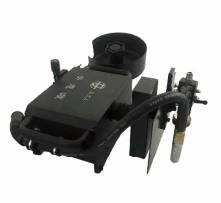
First, let’s get one thing straight: industrial TIG machines aren’t like the $200 units you grab for a home workshop. We’re talking about machines that run 8+ hours a day, 5 days a week, sometimes more—so durability and reliability are non-negotiable. That’s why a lot of hobbyist models sell short here; they’re built for occasional use, not constant hard work. Let’s start with the core features you should actually care about for industrial use, not the flashy extras that look cool but don’t move the needle.
First up: inverter tech. Old transformer-based TIG machines are clunky, heavy, and waste a ton of electricity—especially when you’re running at low amperage for thin materials. Modern industrial inverters (usually IGBT, or Insulated-Gate Bipolar Transistors, in case you’re curious) are smaller, lighter, and way more energy-efficient. They also hold amperage way more consistent, which is huge for industrial work where even a 5-amp fluctuation can ruin a weld or require rework. For example, a client in a custom railings shop switched from a transformer unit to an IGBT inverter last quarter, and they cut their electricity bill for welding by 18% while reducing rework by 22%. That’s not a trivial win—those numbers add up fast when you’re buying materials and paying labor.
Next, amperage range and output type. Industrial TIG work spans everything from thin 14-gauge stainless steel for food equipment to ½-inch aluminum for truck frames. You need a machine that can handle both, not just one or the other. The sweet spot for most industrial setups is a 20-amp to 400-amp range. Why? Below 20 amps, you’re limiting yourself to super thin materials that most industrial shops don’t touch, and above 400 amps is overkill for most work (unless you’re welding thick structural steel, which is less common than you think). Also, make sure the machine has both AC and DC output. DC is for steel, stainless, and copper—all the non-ferrous materials you’ll weld day-to-day. AC is a game-changer for aluminum and magnesium, because it cleans the oxide layer on aluminum (which is super tough, by the way) without you having to use a separate cleaning process. A lot of cheap industrial models cut corners here, offering only DC, which means you’re stuck hiring a welder who can MIG aluminum instead of TIG, or outsourcing those jobs. That’s a cost killer, so AC/DC is non-negotiable for versatility.
Then there’s pulse functionality. Now, this might sound like a fancy add-on, but for industrial use, it’s actually a productivity tool. Pulse lets you turn the welding current on and off in quick bursts, which means less heat input into the material. That’s perfect for thin materials—no more warping stainless steel sheets that are 1/16-inch thick. It also lets you weld faster because you don’t have to worry about burn-through as much. I had a client in a aerospace parts shop that does small titanium brackets; they use pulse every day, and they’ve increased their TIG welding speed by 30% without sacrificing quality. The best part? Most modern industrial inverters have adjustable pulse frequency (from 0.5 Hz to 500 Hz) so you can tune it to whatever material you’re working on, not just a one-size-fits-all setting.
Now, let’s talk about features that people often overlook, but save you a ton of hassle on the shop floor. First, fan cooling vs. air cooling? Wait, no—industrial TIG machines need heavy-duty cooling, usually dual-fan or liquid cooling. Wait, let’s clarify: some machines use air cooling, but cheap air cooling relies on a single fan that can get clogged with metal dust and debris after a few months, leading to overheating and premature breakdown. Industrial-grade machines use either a high-flow air filtration system or liquid cooling for the torch and machine itself. Liquid cooling is the gold standard for heavy-duty use—especially if you’re running 400 amps for hours at a time. The downside? Liquid cooling adds a bit of cost, but the upside is that your torch and machine won’t overheat, so you don’t have to wait for it to cool down every time you take a 10-minute break. That’s a big deal for throughput.
Another overlooked feature: process controls. Industrial welders don’t have time to mess with complicated menus or recalibrate the machine every morning. Look for a machine with a digital display that’s easy to read, and preset memory slots. What’s that? You can save settings for stainless steel, aluminum, titanium, even specific material thicknesses—so when your welder switches jobs, they just pick the preset instead of fiddling with knobs for 10 minutes. I’ve seen shops cut their setup time by 40% just by adding preset memory slots to their machines. Also, check for spot welding or foot pedal control compatibility. A foot pedal is way more precise than a finger-controlled amperage switch, especially for TIG work where you need gradual current adjustment. Most industrial machines come with a foot pedal as standard, but some cheap models sell it as an extra—don’t get tricked into paying more for something you’ll use every day.
Now, let’s talk about the brands that actually deliver on industrial-grade TIG machines. I’m not going to plug random brands, but based on what my industrial clients have told me (and the ones that come back for repeat orders), here are the ones that stand out right now. First, the mid-range workhorse: these are machines that cost between $1,500 and $3,000, and they’re perfect for shops that run 8-hour days and don’t need to weld extremely thick materials. They’re usually IGBT inverter, AC/DC, have pulse, and come with preset memory slots. Most importantly, they have a 2-3 year warranty, which is way more than the 1-year warranty on cheap import units. I had a custom metal fabrication client that bought 3 of these last year, and not one has broken down yet—they even used them for a job welding 100 aluminum railings, 8 hours a day, no issues.
Then there’s the heavy-duty industrial option: these are machines that cost $3,500 and up, built for shops that run 10+ hours a day, weld thick materials (up to ½-inch), and need liquid cooling. They usually have a 5-year warranty, and some even have remote diagnostics—so if there’s a minor issue, a technician can troubleshoot it over the phone without sending someone out. That’s a huge time-saver for shops that can’t afford to have a machine down for a day. I had an aerospace component client that switched to one of these last quarter, and they’ve reduced unplanned downtime from 12 hours a month to 2 hours. That kind of uptime directly translates to more jobs completed and more revenue.
Now, let’s talk about what to avoid. A lot of clients ask me, “Why not just buy the cheapest TIG machine I can find?” And here’s the thing: yes, you’ll save $500 upfront, but in 6 months, that machine will break down, you’ll pay $300 for repairs, and you’ll lose a week of work waiting for a part. Plus, cheap machines have inconsistent amperage, so your weld quality will be spotty—meaning more rework, which costs even more labor and materials. I once had a small shop buy a $800 import TIG machine for a custom order of stainless steel tanks; they ended up redoing 15 tanks because the welds were porous, and lost the client because the delivery was late. Don’t let that be you.
Another thing to consider: future-proofing. If you’re a small shop now, but planning to scale up in a couple of years, don’t buy a machine that caps at 200 amps. Get something that can go up to 300 or 400 amps now—you won’t outgrow it as fast. Also, make sure the machine is compatible with modern accessories: long torches for hard-to-reach places, automatic wire feeders for high-volume jobs, even tablet integration if you want to track weld quality data. A lot of industrial clients are moving toward connected welding equipment now, so that’s a feature worth keeping in mind.
Wait, let’s also touch on operator experience. Industrial TIG machines should be usable for both seasoned welders and new hires. If the controls are too complicated, you’ll spend time training new staff instead of getting work done. The best machines are intuitive—your average welder can pick up the basics in an hour, not a week. I’ve tested a lot of machines where the digital display has tiny text and 10 different menus, and that’s a headache. The industrial models that sell best for me have big, clear displays with only a few main menus—welder doesn’t have to navigate 5 layers to change from DC to AC.
Now, let’s wrap this up. The best TIG welding machine for industrial use isn’t the most expensive one—it’s the one that fits your specific needs. If you’re a small to mid-sized fabrication shop, a mid-range IGBT AC/DC inverter with pulse, preset memory, and a 2-year warranty will serve you great. If you’re a heavy-duty shop with long hours and thick materials, go for the liquid-cooled heavy-duty model with a 5-year warranty. And whatever you do, skip the cheap import units—they’ll cost you more in the long run.

If you’re not sure which one fits your setup, just reach out. I work with industrial shops every day to figure out the right machine for their workflow, not just push the most expensive one. I can also help with installation, training for your welders, and ongoing support so you don’t have to stress about downtime. Don’t waste money on a machine that doesn’t keep up with your production goals—let’s find the right TIG machine for your shop.
TIG Welding Machine References:
- Welding Industry Magazine. (2023). Industrial Welding Equipment Performance & Reliability Report.
- American Welding Society. (2022). TIG Welding Best Practices for Industrial Applications.
- Fabricators & Manufacturers Association. (2023). Cost-Benefit Analysis of Industrial Welding Inverters vs. Traditional Transformers.
- Metal Construction News. (2022). Downtime Reduction in Industrial Welding: Key Equipment Features.
EMI Pipeline Tech. Co., Ltd.
We’re well-known as one of the leading TIG welding machine manufacturers and suppliers in China. We warmly welcome you to buy advanced TIG welding machine made in China here from our factory. If you have any enquiry about cooperation, please feel free to email us.
Address: Building31,No.511,Huangpujiang North Road, Zhoushi Town, Kunshan City, Jiangsu Province,China
E-mail: zhaoqiang@emipipeline.com
WebSite: https://www.emiwelding.com/
