Hey there! I’m a supplier of Firewalls for Aruba, and today I wanna talk about whether Aruba firewalls can be integrated with identity management systems. It’s a hot topic in the world of network security, and I’ve got some insights to share based on my experience in this field. Firewalls for Aruba

Why the Integration Matters
First off, let’s understand why integrating Aruba firewalls with identity management systems is such a big deal. In today’s digital age, security threats are constantly evolving. Traditional security measures that rely solely on IP addresses and network boundaries are no longer enough. Identity – based security is the way to go.
When you integrate an Aruba firewall with an identity management system, you can enforce access policies based on who the user is, rather than just where they’re coming from. This means better control over who can access your network resources. For example, if you have a sensitive department in your company, you can set up the firewall to only allow employees from that department to access certain servers. This reduces the risk of unauthorized access and data breaches.
How Aruba Firewalls Can Be Integrated
Aruba firewalls are pretty flexible when it comes to integration with identity management systems. There are a few common ways to do this.
LDAP Integration
One of the most popular methods is through LDAP (Lightweight Directory Access Protocol). Most organizations use LDAP directories to store user information, like usernames, passwords, and group memberships. Aruba firewalls can be configured to query the LDAP directory to authenticate users.
Let’s say an employee tries to access a restricted network resource. The Aruba firewall will send a request to the LDAP server to check if the user is valid and if they have the appropriate permissions. If the LDAP server confirms the user’s identity and permissions, the firewall will allow the access. It’s a simple and effective way to tie user identity to network access.
Active Directory Integration
For Windows – based environments, Active Directory is the go – to identity management solution. Aruba firewalls can integrate with Active Directory just as well as with LDAP. Active Directory stores a wealth of user information, including group policies and security settings.
When integrated with Active Directory, the Aruba firewall can use this information to enforce access rules. For instance, if a user is part of a "guest" group in Active Directory, the firewall can limit their access to only certain parts of the network. This kind of integration is great for large enterprises that rely on Windows infrastructure.
SAML Integration
SAML (Security Assertion Markup Language) is another option for integrating Aruba firewalls with identity management systems. SAML is commonly used for single – sign – on (SSO) solutions. When a user logs in to an application using SSO, the identity provider sends a SAML assertion to the service provider (in this case, the Aruba firewall).
The Aruba firewall can then use this SAML assertion to authenticate the user and determine their access rights. SAML integration is especially useful for cloud – based applications and services, as it allows for seamless and secure access across different platforms.
Benefits of the Integration
Now that we know how the integration works, let’s talk about the benefits.
Enhanced Security
As I mentioned earlier, identity – based access control is much more secure than traditional methods. By integrating Aruba firewalls with identity management systems, you can prevent unauthorized users from accessing your network. This is crucial in protecting sensitive data, such as customer information, financial records, and trade secrets.
Improved User Experience
With identity – based access, users don’t have to remember multiple passwords for different network resources. They can use a single set of credentials to access everything they’re allowed to. This makes the user experience more seamless and convenient, which in turn increases productivity.
Simplified Management
Managing access policies based on user identity is much easier than managing them based on IP addresses. You can create and modify access rules in the identity management system, and the Aruba firewall will automatically enforce them. This reduces the administrative burden and makes it easier to keep your network secure.
Challenges and How to Overcome Them
Of course, integrating Aruba firewalls with identity management systems isn’t without its challenges.
Compatibility Issues
Sometimes, there can be compatibility issues between the Aruba firewall and the identity management system. For example, different versions of LDAP or Active Directory may have slightly different protocols. To overcome this, it’s important to make sure that both the firewall and the identity management system are running the latest software versions. You may also need to consult the documentation or seek support from the vendors.
Performance Impact
Integrating the firewall with an identity management system can have an impact on performance, especially if there are a large number of user requests. To mitigate this, you can optimize the configuration of the firewall and the identity management system. For example, you can use caching mechanisms to reduce the number of queries to the identity management server.
Security Risks
There’s always a risk that the identity management system itself could be compromised. If an attacker gains access to the identity management system, they could potentially bypass the firewall’s security measures. To address this, you need to implement strong security measures for the identity management system, such as regular backups, encryption, and multi – factor authentication.
Real – World Examples
I’ve seen many companies benefit from integrating Aruba firewalls with identity management systems. One of my clients, a mid – sized financial firm, was struggling with security issues. They had a lot of sensitive customer data, and they were worried about unauthorized access.
We integrated their Aruba firewalls with their Active Directory. This allowed them to enforce strict access policies based on user roles. For example, only employees in the finance department could access the accounting servers. As a result, they saw a significant reduction in security incidents, and their compliance with industry regulations improved.
Another client, a technology startup, was using cloud – based applications. They wanted to provide a seamless and secure user experience for their employees. We integrated their Aruba firewalls with a SAML – based SSO solution. This allowed employees to log in to all their cloud applications with a single set of credentials, while the firewall ensured that only authorized users could access the company’s network.
Conclusion
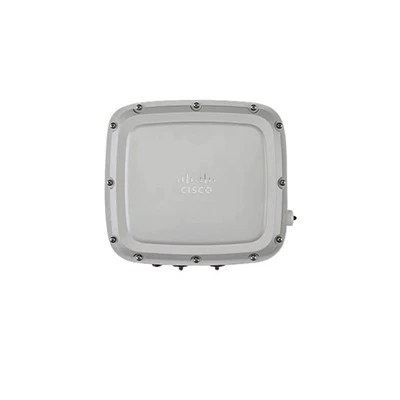
So, can Aruba firewalls be integrated with identity management systems? Absolutely! It’s not only possible but also highly beneficial for your network security. By integrating Aruba firewalls with identity management systems, you can enhance security, improve the user experience, and simplify management.
Wireless APs If you’re interested in learning more about how our Firewalls for Aruba can be integrated with your identity management system, or if you’re looking to purchase Aruba firewalls for your organization, I’d love to have a chat with you. Just reach out to me, and we can discuss your specific needs and how we can help you achieve your security goals.
References
- Aruba Networks Documentation
- LDAP Protocol Specification
- Active Directory Technical Guides
- SAML Technical Documentation
AITI Tech Limited
AITI Tech Limited is one of the most professional firewalls for aruba manufacturers and suppliers in China for over 20 years, featured by quality products and low price. Welcome to buy bulk discount firewalls for aruba in stock here from our factory. If you have any enquiry about pricelist, please feel free to email us.
Address: 6F, Haogong Building, Yannan Road, Futian District, Shenzhen, China
E-mail: kelly@hkaiti.com
WebSite: https://www.hkaiti.com/
