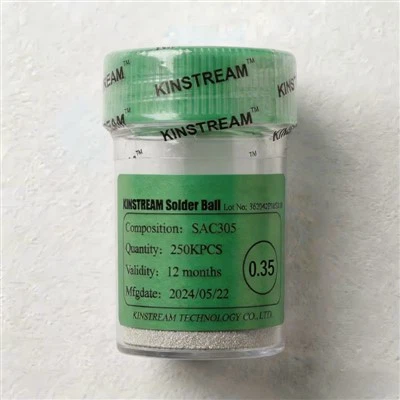
As a supplier of Tin Solder Balls, I often receive inquiries from customers about the proper storage temperature for these essential components in the electronics manufacturing industry. Understanding the correct storage temperature is crucial as it directly impacts the quality and performance of the solder balls. In this blog, I will delve into the science behind the storage temperature of tin solder balls, explain why it matters, and provide some practical guidelines for optimal storage. Tin Solder Balls
The Science of Tin Solder Balls and Temperature
Tin solder balls are typically made from alloys of tin with other metals such as silver, copper, or bismuth. These alloys are carefully formulated to have specific melting points, wetting properties, and mechanical strengths, which are essential for creating reliable electrical connections in electronic devices. The physical and chemical properties of these alloys are sensitive to temperature, and improper storage can lead to changes that affect their performance.
One of the primary concerns with storing tin solder balls at incorrect temperatures is the potential for oxidation. Tin and its alloys can react with oxygen in the air to form tin oxides on the surface of the solder balls. Oxidation can increase the surface tension of the solder, making it less likely to wet the surfaces it is intended to join. This can result in poor solder joints, which may lead to electrical failures or reduced reliability in the final product.
Another issue is the potential for the formation of intermetallic compounds within the solder alloy. Intermetallic compounds are formed when the different metals in the alloy react with each other over time. The rate of formation of these compounds is highly dependent on temperature. At elevated temperatures, the formation of intermetallic compounds can be accelerated, which can change the mechanical and electrical properties of the solder. For example, excessive intermetallic compound formation can make the solder more brittle, increasing the risk of solder joint failure under mechanical stress.
Recommended Storage Temperature
Based on industry standards and research, the recommended storage temperature for most tin solder balls is between 20°C and 30°C (68°F and 86°F). This temperature range is considered optimal because it helps to minimize the rate of oxidation and the formation of intermetallic compounds. At these temperatures, the solder balls can maintain their original properties for an extended period.
It is also important to keep the relative humidity in the storage environment between 30% and 60%. High humidity can promote oxidation, while low humidity can cause the solder balls to become statically charged, making them more difficult to handle and increasing the risk of contamination.
Deviations from the Recommended Temperature
If the storage temperature is below 20°C, the risk of moisture condensation on the surface of the solder balls increases. Condensation can introduce water into the storage environment, which can accelerate oxidation and corrosion. Additionally, very low temperatures can make the solder more brittle, which can affect its mechanical properties during the soldering process.
On the other hand, if the storage temperature exceeds 30°C, the rate of oxidation and the formation of intermetallic compounds can increase significantly. This can lead to a decrease in the wetting ability of the solder, as well as changes in its melting point and mechanical strength. In extreme cases, prolonged exposure to high temperatures can cause the solder balls to stick together, making them unusable.
Practical Tips for Storage
To ensure that the tin solder balls are stored at the correct temperature, it is recommended to use a temperature – controlled storage facility. This can be a simple storage cabinet with a built – in temperature and humidity control system or a dedicated storage room. Regularly monitor the temperature and humidity levels using a reliable thermometer and hygrometer.
When receiving new shipments of solder balls, it is important to inspect the packaging for any signs of damage or exposure to extreme temperatures. Store the solder balls in their original sealed packaging as much as possible, as this helps to protect them from contamination and oxidation.
If you need to transport the solder balls, make sure to use appropriate insulation and temperature – control measures. Avoid exposing the solder balls to direct sunlight, heat sources, or cold drafts during transportation.
Impact on Product Quality and Performance
The storage temperature of tin solder balls has a direct impact on the quality and performance of the final electronic products. Poorly stored solder balls can lead to a variety of soldering defects, such as cold joints, non – wetting, and tombstoning. These defects can cause electrical failures, intermittent connections, or reduced component reliability.
In the highly competitive electronics market, product quality is of utmost importance. By ensuring that the tin solder balls are stored at the correct temperature, manufacturers can reduce the risk of soldering defects and improve the overall quality and reliability of their products. This can lead to increased customer satisfaction, fewer warranty claims, and a stronger reputation in the market.
Training and Education
As a tin solder ball supplier, I understand the importance of providing our customers with the knowledge and resources they need to store and handle our products correctly. That’s why we offer training and educational materials on the proper storage temperature and handling of tin solder balls. Our technical support team is also available to answer any questions and provide guidance on specific applications.
We believe that by working closely with our customers and sharing our expertise, we can help them optimize their manufacturing processes and achieve the best possible results. Whether you are a small – scale electronics manufacturer or a large – scale production facility, we are committed to providing you with the highest quality tin solder balls and the support you need to succeed.
Contact for Procurement
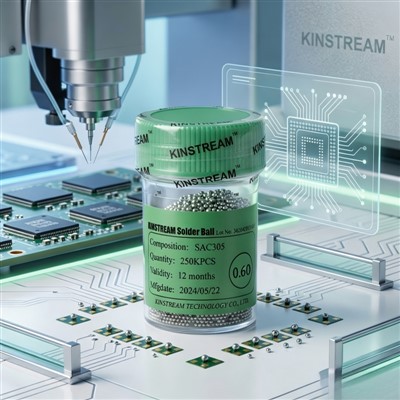
If you are in the market for high – quality tin solder balls and are interested in learning more about our products and services, we encourage you to reach out to us. We have a wide range of tin solder balls available, with different alloy compositions, sizes, and specifications to meet your specific needs.
CCGA Solder Column Our team of experts can work with you to determine the best solder ball solution for your application and provide you with a competitive quote. We are dedicated to providing excellent customer service and timely delivery. Don’t hesitate to contact us for procurement discussions and let’s explore how we can work together to enhance your electronic manufacturing processes.
References
- "Handbook of Solder Technology for Microelectronics" by C. C. Lee
- "Soldering in Electronics" by E. J. Vianco
- Industry standards and guidelines from the International Electronics Manufacturing Initiative (iNEMI)
Kinstream Technology Co., Ltd.
We’re well-known as one of the leading tin solder balls manufacturers and suppliers in China. We warmly welcome you to wholesale bulk high quality tin solder balls in stock here from our factory. If you have any enquiry about customized service, please feel free to email us.
Address: Room 311, Bldg., 7D, Hengda Shishang Huigu, Dalang Street, Longhua District, Shenzhen, China
E-mail: valuemaxau@163.com
WebSite: https://www.kinstreamspheres.com/
