What is the straightness requirement for High Strength Low Alloy Steel Plate? High Strength Low Alloy Steel Plate
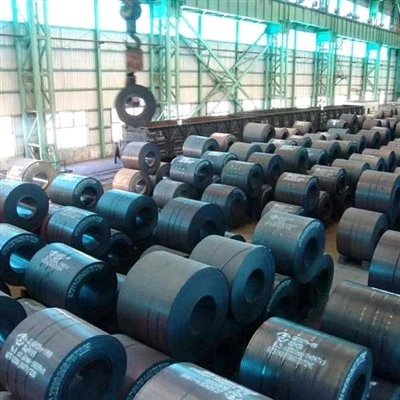
As a supplier of High Strength Low Alloy (HSLA) Steel Plate, I often encounter inquiries from customers regarding the straightness requirements of our products. Understanding these requirements is crucial not only for ensuring the quality and performance of the steel plates but also for meeting the specific needs of diverse applications.
Understanding High Strength Low Alloy Steel Plates
Before delving into the straightness requirements, it’s essential to have a clear understanding of HSLA steel plates. HSLA steel is a type of carbon steel that contains small amounts of alloying elements such as copper, nickel, niobium, vanadium, and molybdenum. These alloying elements enhance the strength, toughness, and corrosion resistance of the steel without significantly increasing its weight. HSLA steel plates are widely used in various industries, including construction, automotive, shipbuilding, and machinery manufacturing, due to their excellent mechanical properties and cost – effectiveness.
The Importance of Straightness in HSLA Steel Plates
Straightness is a critical quality parameter for HSLA steel plates. Inaccurate straightness can lead to a series of problems in subsequent processing and applications. For example, in construction projects, if the steel plates are not straight, it can cause difficulties in assembly and installation, affecting the overall structural integrity and stability. In the automotive industry, non – straight steel plates may lead to poor fitting of parts, resulting in increased manufacturing costs and potential safety hazards.
Defining Straightness Requirements
Straightness requirements for HSLA steel plates are typically defined in terms of flatness and waviness. Flatness refers to the degree to which the surface of the steel plate is free from large – scale deviations from a perfectly flat plane. Waviness, on the other hand, describes the small – scale undulations on the surface of the plate.
The straightness requirements are usually specified by standards such as the ASTM (American Society for Testing and Materials) standards or the ISO (International Organization for Standardization) standards. For instance, ASTM A709 covers the requirements for HSLA steel plates for bridge applications. According to ASTM A709, the flatness tolerance for full – width plates is defined based on the length of the plate. For plates up to 10 feet in length, the maximum deviation from a straight line should not exceed 1/8 inch in any 3 – foot segment. For longer plates, the tolerance is adjusted accordingly to ensure that the overall straightness meets the application requirements.
Factors Affecting Straightness
Several factors can affect the straightness of HSLA steel plates during the manufacturing process. Rolling is one of the primary processes in steel plate production. Uneven pressure distribution during rolling can cause the plate to deform, resulting in poor straightness. The temperature during rolling also plays a crucial role. If the temperature is not properly controlled, the plate may experience uneven thermal expansion and contraction, leading to warping and waviness.
Another factor is the cooling process. After rolling, the steel plate needs to be cooled to room temperature. Non – uniform cooling can induce internal stresses in the plate, which can cause it to bend or warp. Additionally, handling and transportation can also have an impact on the straightness of the steel plates. Rough handling, improper stacking, or excessive vibration during transportation can all lead to deformation of the plates.
Measurement and Inspection of Straightness
To ensure that the HSLA steel plates meet the straightness requirements, accurate measurement and inspection methods are required. One common method is the use of a straightedge. A straightedge is placed on the surface of the steel plate, and the gap between the straightedge and the plate is measured using a feeler gauge. This method is relatively simple and can provide a quick assessment of the plate’s straightness.
In addition to the straightedge method, advanced measurement techniques such as laser scanning and optical measurement systems are also used in modern steel production facilities. These techniques can provide highly accurate and detailed information about the surface profile of the steel plate, allowing for precise evaluation of the straightness and identification of any potential defects.
Our Quality Control Measures
As a supplier of HSLA steel plates, we are committed to meeting the highest straightness requirements. We have implemented a comprehensive quality control system throughout the entire manufacturing process. From the selection of raw materials to the final inspection of the finished products, every step is carefully monitored to ensure that the straightness of the steel plates meets or exceeds the industry standards.
During the rolling process, we use advanced rolling mills with precise control systems to ensure uniform pressure distribution and temperature control. This helps to minimize the deformation of the plates and improve their straightness. After rolling, the plates are cooled using a controlled cooling process to reduce internal stresses and prevent warping.
In terms of inspection, we have a team of experienced quality control personnel who use both traditional and advanced measurement methods to check the straightness of the steel plates. Only the plates that pass our strict inspection are allowed to leave the factory.
Meeting Diverse Customer Requirements
We understand that different customers may have different straightness requirements depending on their specific applications. For some high – precision applications, such as aerospace or electronic device manufacturing, extremely strict straightness requirements may be necessary. In such cases, we are able to customize our production processes to meet these specific needs.
On the other hand, for some general – purpose applications, a more relaxed straightness tolerance may be acceptable. We are flexible in providing different grades of straightness based on the customer’s budget and requirements. Our goal is to provide the best – suited HSLA steel plates for each customer, ensuring that they can achieve the best results in their respective applications.
Conclusion
In conclusion, the straightness requirement for High Strength Low Alloy Steel Plates is of utmost importance for ensuring the quality and performance of the steel plates in various applications. By understanding the factors that affect straightness, implementing strict quality control measures, and using advanced measurement and inspection techniques, we are able to supply high – quality HSLA steel plates that meet the diverse needs of our customers.
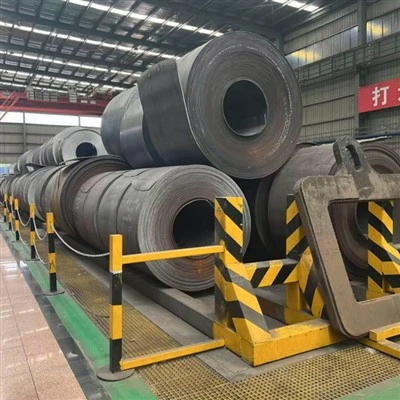
If you are in the market for High Strength Low Alloy Steel Plates and have specific straightness requirements, please don’t hesitate to contact us for a detailed discussion. We are here to provide you with the best solutions and to assist you in making the right purchasing decision.
Shipbuilding Steel Plate References
- ASTM A709 – Standard Specification for Structural Steel for Bridges
- ISO standards related to steel plate manufacturing and quality control
Gnee Steel (Tianjin) Co., Ltd.
As one of the most professional high strength low alloy steel plate manufacturers and suppliers in China, we also support customized service with low price. We warmly welcome you to buy high quality high strength low alloy steel plate in stock here from our factory. If you have any enquiry about free sample, please feel free to email us.
Address: No.4-1114, Beichen Building, Beicang Town, Beichen District, Tianjin, China
E-mail: alloy@gneesteelgroup.com
WebSite: https://www.chinavesselplates.com/
