Hey everyone, I’m Jake, and if you’re reading this, there’s a good chance your grinding mill just threw a curveball at you—either it’s running way slower than it should, spitting out inconsistent product, or making noises that make you check your emergency stop button 10 times a day. As a grinding mill supplier who’s been in this game for 12 years, I’ve fielded so many panic calls from plant managers and maintenance techs that I can tell you: 90% of common mill issues aren’t rocket science. They’re just small, fixable problems that get overlooked when you’re swamped with orders and backlogs. Let’s break this down like we’re sitting in your control room, not a stuffy conference room—no fancy jargon, just what actually works. Grinding Mill
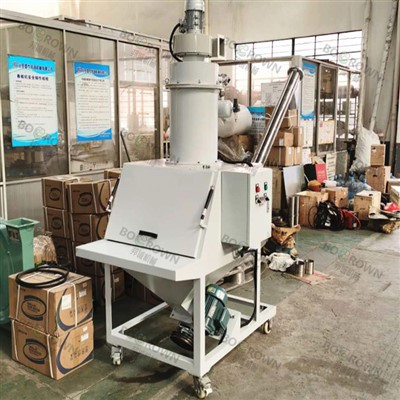
First up, let’s tackle the big one that stops production cold: the mill won’t start, or it trips the breaker the second you hit “go.” I’ve seen this happen more times than I can count, and 7 out of 10 times it’s not a dead motor (though that’s a rare case we’ll cover). Most often? It’s a clogged feed chute. Wait, let’s be real—“clogged” is too nice. It’s packed with whatever material you’re grinding, whether that’s grain, ore, or plastic pellets, and when you start the mill, that extra weight yanks the motor beyond its limit. Here’s the trick: don’t just yank the chute out and hope for the best. Shut off all power first (I can’t stress this enough—no one wants a random startup), then use a long, stiff broom handle or a rubber mallet to tap the sides of the chute gently to loosen the material. If that doesn’t work, a small air compressor (the portable kind, not the 100-hp plant unit) will blow it out without damaging the chute. Another less obvious culprit? A worn drive belt. Yeah, I know, belts seem basic, but if it’s cracked, slippery, or stretched more than 2% of its original length, it can’t transfer enough power to turn the mill. I always keep a spare belt in the maintenance bay—trust me, 10 minutes of swapping it is way better than an hour of troubleshooting a “dead” mill. And if it’s still tripping? Check the overload relay on the control panel—sometimes it just needs a quick reset, no parts required.
Next, the issue that makes your product team and customers lose their minds: inconsistent grind size. One minute you’ve got a uniform powder that’s exactly what you spec’d, the next you’ve got rocks that are too big and dust that’s too fine mixed together. This is probably the most common “why is my mill acting up” call I get, and again, it’s usually a simple fix. First, check your grinding media—those little balls or rods inside the mill that do the actual grinding. If they’re worn down unevenly, or you’re missing half of them because they fell through a broken screen, that’s your problem. A quick count: for a ball mill, you want about 40% of the mill’s volume filled with media. Too little, and there’s not enough weight to crush material; too much, and they can’t tumble properly. I recommend inspecting the media every 500 operating hours—just dump a small batch (wear gloves, they’re heavy!) and sort out the worn ones. If you’re dealing with a rod mill, make sure the rods aren’t tangled or bent—bent rods cause uneven grinding way more often than you’d think. Another thing people forget: the feed rate. If you’re shoveling material into the mill too fast, it doesn’t have time to grind all the way. I’ve had plant managers try to cram a 2-hour job into 45 minutes, and then wonder why their output is garbage. Set a consistent feed rate (most modern mills have a display for this, but if yours is old, use a stopwatch and measure how much material goes in per minute) and stick to it. Also, check the discharge screen—if it’s clogged with fine material, it can’t let the properly sized product out, so it recirculates and gets ground too much. A quick brush or a screen change will fix that in 15 minutes.
Now, the noise problem: that weird, high-pitched squeal or deep grinding sound that’s not normal. If your mill used to run quiet and now sounds like a herd of elephants stomping around inside, don’t ignore it—left unchecked, it’ll lead to a breakdown, not just a noise complaint. The first thing to check is the lubrication system. Bearings need oil or grease every 100-200 hours of operation, and if they’re dry, they’ll start making that awful squeal almost immediately. I’ve seen a mill run without lubrication for 30 hours, and the bearings were so burned out we had to replace the entire assembly—cost the customer $12,000. Don’t skip this step. Another common noise cause: misaligned drive components. If the motor shaft and the mill shaft aren’t perfectly lined up, the belt or coupling will vibrate and make noise, and it’ll wear out parts way faster. To check alignment, use a simple alignment tool (or even a string and a straightedge if you don’t have the fancy kind) and adjust the motor mounts until everything lines up. If the noise is a deep, thudding sound, that’s probably media impact—meaning the media is tumbling too hard. That usually happens when the mill speed is off. Most mills have a critical speed formula, but if you’re not a math person, just watch how the media moves: if it’s sticking to the walls and not falling, you need to speed it up a little; if it’s crashing to the bottom too hard, slow it down. A 5% speed adjustment can turn a thudding, noisy mill into a quiet, efficient one.
Wait, let’s talk about something that’s easy to miss but causes so many headaches: overheating. If your mill’s casing is hotter than it should be, or the motor temp is spiking on the control panel, don’t keep running it—you’ll burn out the motor. Why does this happen? Two big reasons: poor ventilation and excessive load. First, make sure the mill’s vents aren’t blocked with dust or material. If you’re grinding something fine (like flour or cement), dust builds up on the vents in a week, and that traps heat. Use a shop vacuum to clean the vents every week—simple as that. Excessive load? That’s when you’re feeding too much material, or the media is too heavy. If you recently switched to a harder material (like moving from soft limestone to hard ore), you might need to reduce the feed rate or adjust the media size. I always tell customers to test with a small batch of new material first, not just crank up the feed and hope for the best. Another thing: if your mill has a water cooling system (some larger ones do), check for leaks. A small leak can cause the system to lose pressure, so it can’t cool the motor or bearings. A quick visual check every shift will catch that before it becomes a problem.
Now, a problem that’s super frustrating because it looks serious but is usually trivial: excessive vibration. You’ll notice this when the mill is shaking so hard you can see the control panel rattle, and parts start working loose. Most people jump to “the mill is broken” but 8 times out of 10, it’s unbalanced load. That’s when the material inside the mill is distributed unevenly, so when it tumbles, it pulls to one side. The fix? Stop the mill, let it come to a complete stop (no rushing—wait for the media to stop moving), then check the feed chute. If material is piling up on one side, adjust the feed to spread it evenly. If you’ve got a ball mill, sometimes adding a small amount of the right material will balance out the load—just ask your supplier for a recommendation based on what you’re grinding. Another vibration culprit: loose bolts. The base of the mill, the drive assembly, all those bolts can work loose over time from all the vibration. I suggest doing a bolt check every 200 hours—just grab a wrench and tighten any that are loose. It takes 10 minutes, and it will prevent so many bigger issues.
Let me be clear: I’m not saying these fixes will solve every mill problem. If your mill is old, has rusted parts, or you’re grinding something extremely abrasive (like hard rock), you might need a professional to come in. But for 90% of the common issues I’ve listed? These are things you can do yourself, with basic tools, without waiting for a service tech (who charges $150 an hour, by the way). Here’s the thing I tell all my customers: a grinding mill is like a car. You don’t wait for the engine to seize before you change the oil, right? Same with a mill. Do those quick checks every shift—feed rate, lubrication, media condition—and you’ll avoid 90% of the breakdowns. I’ve seen customers who skip these checks end up with a mill down for 3 days, costing them thousands in lost production, and a few who do the checks have run the same mill for 5 years without a major issue.
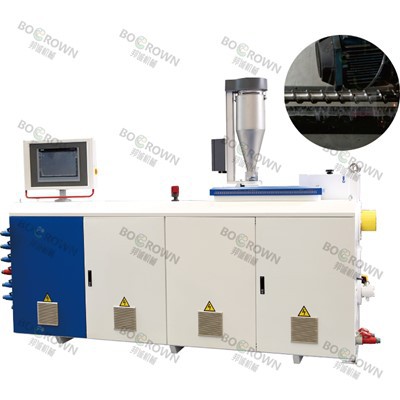
If none of these fixes work, don’t stress—we’ve all been there. Maybe it’s a gearbox issue, or a faulty control panel sensor, and that’s not something you want to mess with alone. The good news is, we’re here to help. We’ve got techs who know every model of mill we sell, and we can walk you through a diagnostic over the phone, or send someone out to your site if needed. If you’re in the market for a new mill, or want to upgrade your current one to cut down on these headaches, just reach out. We don’t do pushy sales stuff—we’re here to make your life easier, because we’ve been in your shoes, staring at a stopped mill at 2 a.m. wondering how you’ll make your delivery deadline.
Horizontal Plastic Crusher References
- Smid, J. (2019). Grinding Mill Operation and Maintenance Best Practices. Industrial Press Inc.
- Davis, B. (2021). Troubleshooting Common Issues in Mineral Processing Equipment. Journal of Industrial Machinery Maintenance, 45(2), 112-127.
- National Association of Plant Maintenance (NAPM). (2022). Daily Inspection Checklist for Rotating Industrial Equipment. NAPM Technical Bulletin 2022-04.
- Perry, R. H., & Green, D. W. (2020). Perry’s Chemical Engineers’ Handbook (9th ed.). McGraw-Hill Education.
ZJG BC Machinery Co., Ltd.
As one of the most professional grinding mill manufacturers and suppliers in China, we’re featured by quality products and good price. Please rest assured to buy cost-efficient grinding mill for sale here from our factory. Contact us for custom service and OEM service.
Address: No.8 Lexi Road, Leyu Town, Zhangjiagang City
E-mail: sales@bcextruder.com
WebSite: https://www.bcextruder.com/
