Hey everyone, let’s cut to the chase—if you’ve ever worked on a bathroom, kitchen, or commercial space that gets people coming and going nonstop, you’ve probably wondered: is backer board actually tough enough for that high-traffic chaos? I’m the owner of a backer board supply company, and let me tell you, this question comes up every single day from contractors, remodelers, even homeowners trying to pick the right material. Spoiler: it’s not a one-size-fits-all answer, but I’ve got the straight deets that don’t get lost in the jargon. Backer Board
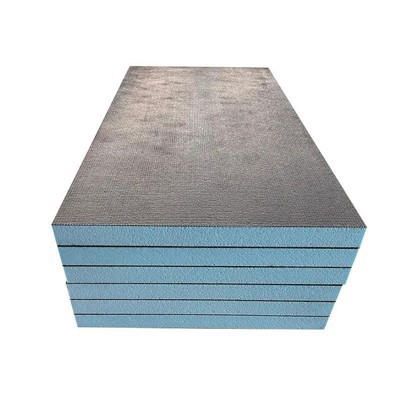
First, let’s ground this in what high-traffic areas even mean for tile and wall systems we use backer board for. We’re not just talking a tiny powder bath with a couple family members a day—high-traffic is things like a restaurant’s bathroom (guests might use that 50 times an hour), a grocery store’s break room backsplash, or a multi-unit apartment building’s shared laundry room walls. That’s way more moisture, way more foot traffic kicking up against walls, way more accidental spills, and way more wear and tear than a residential bedroom, for example. So whatever material we pick here has to handle way more abuse than a low-use space.
Now, what’s backer board’s superpower in the first place? For anyone new here, backer board (sometimes called cement board, though that’s a specific type, not the only one) is the unsung hero of tile installations. It’s designed to sit between your framing (wood studs or concrete) and the tile, so it prevents moisture from seeping into the wood rotting it, adds rigidity so tile doesn’t crack from flexing, and keeps that whole tile layer stable. But the key here for high-traffic spots is how that performance holds up when the area gets pounded day in and day out.
Let’s start with the type of backer board we supply most: fiber-cement backer board, not the old-school solid cement stuff. Why fiber-cement? It’s lighter than solid cement, way easier to cut for DIYers and pros alike, and that fiber reinforcement makes it way more impact-resistant. For a high-traffic area, impact is a big deal. Think about someone slamming a metal laundry basket against the wall, or a kid dropping a heavy ceramic bowl in a bathroom, or a cart wheel scraping a restaurant backsplash. Solid cement backer would crack under that impact, leaving a gap where moisture can get in and ruin the whole tile job. Our fiber-cement backer? It’s tested to withstand repeated impacts without splitting or delaminating, which is exactly what you need when traffic is nonstop.
But wait, high-traffic also means moisture is a constant, right? Most high-traffic spaces like bathrooms and commercial kitchen backsplashes get damp way more often than a normal wall. That’s where backer board’s biggest job comes in. Unlike drywall, which swells and molds the second it gets wet, backer board is water-resistant (not waterproof, big distinction) — which is key for those frequent spills or steam from a commercial kitchen. I’ve seen so many contractors skip backer board in a high-traffic kitchen because they think it’s too expensive, then six months later the tile starts popping off, the water seeped into the wall cavity, and they’ve got mold. That’s way more expensive than buying quality backer board upfront. But here’s the catch: not all backer board is the same for high-traffic. The cheaper, thin backer board you can grab at the home center for a small bath—half-inch? That’s fine for a residential main bath, but for a commercial space where carts are rolling and people are slamming doors, you need 5/8-inch fiber-cement backer. The extra thickness adds rigidity that stops flexing, which is another big cause of cracked tile in high-use areas. Flex happens when the wall moves a tiny bit every time someone leans against it, and over time that movement breaks the bond between the tile and adhesive. Thicker backer board eliminates that flex, so the whole system stays intact.
Now, let’s address what people get wrong about backer board and high-traffic areas. A lot of folks ask, “Why not just use tile on drywall?” Drywall can’t handle consistent moisture or impact—even a heavy tile installation on drywall will crack within a year in a high-traffic bathroom. And some think tile itself is enough, but tile is hard, not unbreakable. If something hits hard enough, the tile chips, but backer board is what prevents the damage from going deeper into the structure. Another misconception: backer board is only for bathrooms. No way—we sell tons of it for commercial lobby walls, where people are leaning, carrying big packages, and wiping walls down constantly. That high-traffic cleaning (think industrial cleaners in a store bathroom) doesn’t hurt our backer board either, because it’s resistant to most chemicals, unlike some other underlayments.
But here’s the part that makes or breaks it for high-traffic: installation. I’ve been doing this long enough to see a great backer board ruined by a bad install. For high-traffic areas, you can’t just cut a sheet, staple it to studs, and call it a day. You need to use the right thinset adhesive to adhere it to the studs—we recommend a modified thin-set, not regular, because it has extra bonding agents that hold up better under vibration and constant movement from high traffic. Also, the joints between backer board sheets need to be taped with fiberglass mesh and covered with a thin-set that’s rated for high-moisture areas. Skip that taping, and even the best backer board will have gaps where water seeps in, leading to delamination over time. And don’t skimp on fasteners—use corrosion-resistant screws (not staples, for high-traffic) every 8 inches along edges and every 12 inches in the field of the sheet. Staples can work for small residential jobs, but in a place that gets banged up all the time, screws hold the board tight and prevent it from shifting, which keeps the tile from cracking.
Let’s get into real-world examples, because that’s what matters. Last year, we supplied 5/8-inch fiber-cement backer board to a chain of coffee shops that were renovating their restrooms. Those restrooms get maybe 200+ uses a day, plus spills from coffee cups, steam from hand dryers, and walls that get wiped down multiple times a day. Before that, their old installs used drywall and thin backer board, and every 6 months they were replacing tile and fixing water damage. After switching to our backer board, they haven’t had a single issue in 18 months. That’s the kind of high-traffic performance you’re looking for. Another example: a apartment complex we work with, they use our backer board for all their laundry room walls in each unit. With 50 units, that laundry room gets constant foot traffic, people moving washers and dryers in and out, and occasional water leaks. They say the tile is still intact after 3 years, whereas before they used a different underlayment and had to repair 15 units a year.
Now, is there any case where backer board isn’t right for high-traffic areas? Wait, almost never, but there are lower-quality backer boards that aren’t suited. Like, the lightweight foam backer board—we don’t carry that for high-traffic, because it’s not impact-resistant. A foam board would crumble if something heavy hits it, and it can’t handle consistent moisture from spills. So when you’re picking backer board for a high-traffic spot, steer clear of the cheap, thin, lightweight stuff. Stick to fiber-cement, 5/8-inch minimum, that’s rated for commercial or heavy-use applications.
Another thing: long-term durability. High-traffic areas need materials that hold up for 10+ years, not 2. Our fiber-cement backer board is designed to be rot-proof, mold-resistant, and impact-resistant for decades. That’s a huge plus for commercial spaces, because downtime for repairs costs way more than the upfront cost of quality backer board. Let’s do a quick cost breakdown just to be real: a sheet of 5/8-inch fiber-cement backer is maybe $15 more than a cheap thin sheet, but you don’t have to redo the tile in 2 years. That’s a no-brainer for any high-traffic area where you don’t want unexpected repairs.
Wait, also, what about people saying backer board is heavy? For commercial installers, that might be a small consideration, but our fiber-cement is way lighter than solid cement backer, so it’s easier to handle, cut, and install. No more needing two people to lift a 60-pound sheet—our sheets are around 35 pounds, so one installer can handle it, which speeds up jobs for high-traffic spaces that need to get done fast (like a restaurant closing for a weekend to renovate their bathroom). That’s another practical win for high-traffic projects.
Let’s wrap this up for anyone still on the fence. If your high-traffic area is a space with consistent moisture (bathrooms, kitchens, laundry rooms) or frequent impact (lobbies, break rooms, commercial kitchens), backer board is absolutely suitable—if you pick the right type and install it correctly. The key mistakes to avoid: using thin, lightweight backer board, skipping modified thin-set, not taping joints, or using staples instead of corrosion-resistant screws. Those are the things that make backer board fail in high-traffic areas, not the material itself.
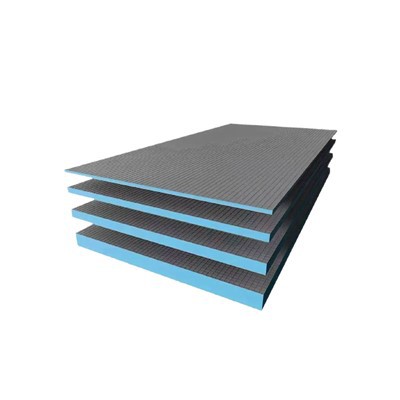
Now, if you’re a contractor, property manager, or DIYer working on a high-traffic project and want to make sure you’re getting the right backer board, I’m here to help. We’ve got options for every type of high-traffic space, from small retail bathrooms to large commercial buildings. Whether you need a few sheets for a single bathroom or a bulk order for a full apartment complex, we can hook you up with the right product and even share a quick install guide tailored for high-traffic jobs. Don’t waste time and money on materials that will need replacing in a year—reach out to us to chat about your project, and we’ll make sure you’ve got the backer board that can handle whatever that high-traffic space throws at it.
Waterproof Backer Board References
- Tile Council of North America. (2021). TCNA Handbook for Ceramic, Glass, and Stone Tile Installation.
- International Code Council. (2022). International Residential Code for One- and Two-Family Dwellings.
- National Tile Contractors Association. (2020). Commercial Tile Installation Best Practices Guide.
- Backer Board Manufacturers Association. (2023). Performance Standards for High-Traffic Backer Board Applications.
Address: Zhongze Village, Baohai Town, Tiantai County, Taizhou City, Zhejiang Province
E-mail: 906915688@qq.com
WebSite: https://www.yhhold.com/
