If you’re reading this, you’ve probably been troubleshooting that persistent, annoying noise coming from your babbitt journal bearing—and let me tell you, I get it. For the past 18 years, I’ve been on the front lines as a supplier of precision babbitt journal bearings, working with everything from small industrial pumps to large marine propulsion systems. I’ve spent more hours on-site with maintenance teams, walking them through noise diagnostics, than I care to count, and I’ve seen every kind of issue that creeps up with these bearings. Babbitt bearings are legendary for their durability, their low friction, and their ability to handle heavy loads with minimal wear—but that doesn’t mean noise is never a problem. When that high-pitched squeal, a dull rumble, or even a sharp knock starts, it’s easy to jump to conclusions: “the babbitt is worn out,” “the shaft is misaligned,” “we need a whole new bearing.” But most of the time, the fix is far simpler, and it starts with methodical troubleshooting. Today, I’m pulling back the curtain on what I’ve learned over two decades to help you track down the source of that bearing noise, one step at a time. Babbitt Journal Bearings
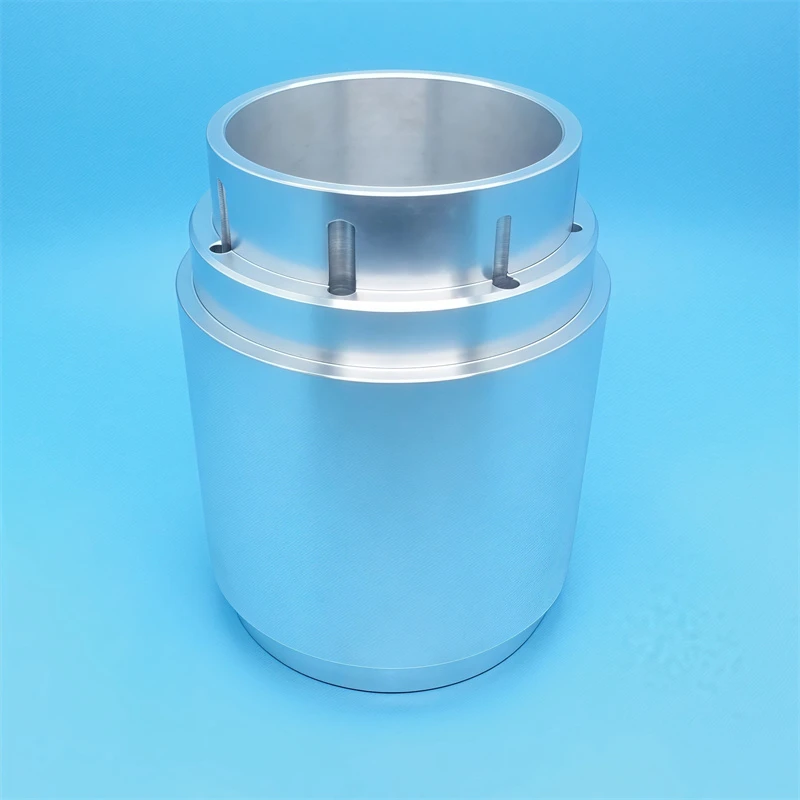
First, let’s get clear on what we’re dealing with here. Babbitt journal bearings are thin-shelled bearings lined with a soft, tin- or lead-based alloy (that’s the babbitt) that sits between a rotating journal shaft and the bearing housing. The babbitt’s job is to conform to small shaft irregularities, distribute loads evenly, and prevent metal-on-metal contact. Noise from these bearings almost always stems from a breakdown in that delicate balance: either the babbitt isn’t sitting right, the shaft isn’t behaving as it should, or something in the surrounding system is throwing things off. Before we dive into diagnostics, let’s rule out the basics that even seasoned techs sometimes overlook. I once had a client who spent three days pulling a perfectly good bearing out of a pump, convinced it had a faulty babbitt, only to discover the noise was coming from a loose fan blade on the motor. That’s the kind of misstep we can avoid by starting with the system, not the bearing.
So step one: isolate the noise source. Turn off the machine, lock out the power (safety first, always), and visually inspect every adjacent component. Is there a loose coupling between the shaft and the motor? A worn belt or pulley? A bent impeller? Even a small debris particle caught in the housing can create noise that makes it sound like it’s coming from the bearing. Once you’ve ruled out external noise, move on to the bearing itself. The first thing I ask any client is: when does the noise happen? Is it at startup, only when the load increases, during steady operation, or when the machine is at full speed? That timing is a huge clue. For example, noise only at startup often points to lubrication issues, while noise under load is more likely related to alignment or babbitt wear.
Let’s start with lubrication problems, because that’s the single most common cause of bearing noise. I’d say 40% of the noise issues I’ve dealt with over the years trace back to bad lubrication. Babbitt bearings rely on a consistent, thick film of oil (or sometimes grease, depending on the application) between the shaft and the babbitt to separate the two surfaces. If that film breaks down, metal-to-metal contact happens, and you get noise. What are the red flags here? If the noise is a high-pitched squeal that gets louder as the machine warms up, or if it stops once the machine reaches full operating temperature, that’s almost always lubrication-related.
Let’s break lubrication down further. First, is the right lubricant being used? Babbitt bearings aren’t one-size-fits-all—some applications require a specific viscosity oil. For example, a high-speed textile machine needs a much thinner oil than a heavy-duty marine propulsion bearing, which needs a thicker, more load-resistant oil. I’ve seen clients use motor oil meant for cars in industrial bearings, and the result was constant squealing and premature wear. Second, is the lubricant clean? Dirt, metal shavings, or water in the oil act like abrasive particles between the shaft and babbitt, creating a grinding noise. If your oil looks dark, sludgy, or has a milky texture (that’s water contamination), change it immediately and flush the system before putting a new bearing in. Third, is the oil level correct? Too little oil means the film can’t form properly, leading to dry spots and noise; too much oil causes churning, which creates a distinct bubbling or gurgling noise. I once had a paper mill client who added 2 gallons of extra oil to a bearing housing, thinking more was better, and the noise was so loud they thought the bearing was failing. Adjusting the level to the manufacturer’s spec fixed it in an hour.
Next up: alignment issues. Misalignment between the shaft and the bearing housing, or between the driving and driven shafts, is another top cause of noise. When the shaft isn’t perfectly aligned with the bearing’s center line, it creates uneven load distribution on the babbitt. One side of the babbitt gets pressed harder, the other side has too much clearance, and you start to get a rumbling or knocking noise that changes as the shaft rotates. How do you check for alignment? I always recommend using a dial indicator for precision, but if you’re on a jobsite without one, a simple straightedge against the coupling can give you a quick look. Look for “angular misalignment” where the two shafts are tilted relative to each other, or “parallel misalignment” where they’re offset side to side. Even a 0.005 inch misalignment can create noticeable noise in a babbitt bearing. Another sign: if the noise changes when you slightly adjust the coupling bolts or the machine base, that’s a dead giveaway for alignment.
Then there’s babbitt-related issues themselves. The babbitt lining, which is the heart of the bearing, can develop problems that cause noise, and here’s where experience really helps. First, look for babbitt wear. Over time, the soft babbitt wears down, and when it gets too thin, the shaft starts to contact the bearing shell, creating a sharp, metallic knock. How much wear is too much? For most industrial applications, the minimum babbitt thickness should be 0.020 inches, but always check the manufacturer’s specs for your specific bearing. Another babbitt issue is “cranking” or “cracking” of the lining. If the babbitt has small cracks or has pulled away from the bearing shell, that creates a grinding or irregular noise, especially under load. I once worked on a large crane bearing where the babbitt had cracked because of sudden, heavy loads, and the noise was so loud it could be heard across the shop. The fix was a custom re-babbitting of the bearing shell, which cost a fraction of a new replacement.
Wait, another common babbitt issue: improper bearing clearances. Journal bearings rely on a specific gap (clearance) between the shaft and the babbitt to allow the oil film to form. If the clearance is too tight, the shaft can’t rotate smoothly, leading to a squealing or binding noise. If it’s too loose, the shaft can “whip” (vibrate excessively) as it rotates, creating a loud rumbling noise that gets worse at higher speeds. How do you check clearance? You can use Plastigage, a thin plastic strip that compresses between the shaft and bearing, giving you a quick measurement of the gap. For most babbitt journal bearings, the clearance is about 0.001 to 0.002 inches per inch of shaft diameter—so a 4-inch shaft would have a clearance of 0.004 to 0.008 inches. If your measurements are way off, that’s likely your noise source. Clearance issues often come from incorrect machining when the bearing was made, or from wear that changes the gap over time.
I also want to mention shaft-related problems, because sometimes the noise isn’t the bearing’s fault at all. A bent shaft, for example, creates an imbalance that causes vibration, which translates to bearing noise. You can check for a bent shaft by rolling it on a flat surface—if it rocks back and forth, it’s bent, and that’s going to create a consistent noise that changes with every rotation. Shaft imbalance is another big one: if the shaft has uneven weight distribution, it vibrates as it spins, putting extra stress on the babbitt and creating noise. Even a small amount of rust or a keyway that’s not perfectly machined can create imbalance. I once had a wind turbine client who thought their bearing was bad, but when we balanced the shaft, the noise disappeared entirely—no new bearing needed.
Let’s talk about a more subtle issue: cavitation. Cavitation happens when the lubricant pressure drops, causing bubbles to form in the oil, then collapse violently when pressure increases. Those collapsing bubbles create tiny shocks that etch the babbitt surface, leading to a pitted babbitt and a grinding, bubbling noise. Cavitation is most common in high-speed bearings or bearings with poor lubrication flow, and it’s often mistaken for a lubrication problem at first. If you see pitting on the babbitt, that’s a clear sign of cavitation, and you’ll need to adjust the lubrication system’s flow or pressure to fix it.
Now, let’s walk through a real example I had last year to put all this together. A food processing plant called me, saying their centrifugal pump was making a loud noise, and they thought the bearing was ruined. They’d already pulled the old bearing out, and it looked like the babbitt was worn. I told them to hold off on installing a new bearing until we ran through the checks. First, we checked lubrication: the oil was dark and had a milky texture—water contamination, no question. They’d missed a seal leak on the pump’s housing. Then we checked alignment: the motor and pump shafts were misaligned by 0.012 inches, way over the spec. The shaft clearance was also 0.010 inches, twice the maximum allowed. We fixed the seal, flushed the oil, realigned the shafts, and adjusted the clearance with a precision machined replacement bearing shell. The noise was gone, and they didn’t have to buy a new bearing—saved them thousands of dollars. That’s why methodical troubleshooting beats rushing to replace parts every time.
So let’s recap the step-by-step troubleshooting process you can use right now:
- Isolate the noise source: Turn off power, lock out, check for external issues (loose parts, debris) before touching the bearing.
- Timing check: Note when the noise happens (startup, load, steady speed) to narrow down causes.
- Inspect lubrication: Check type, level, and cleanliness of oil/grease. Change and flush if contaminated, adjust to correct level.
- Verify alignment: Use straightedge or dial indicator to check for shaft misalignment between components.
- Check bearing clearance: Use Plastigage to measure gap between shaft and babbitt; adjust if too tight or loose.
- Inspect babbitt condition: Look for wear, cracks, or pitting; measure babbitt thickness to rule out failure.
- Check shaft health: Verify for bends, imbalance, or surface damage that could cause vibration.
Now, I want to be clear: sometimes the noise is a sign that you do need a new bearing. If the babbitt is severely worn, cracked, or pitted, or if misalignment and lubrication issues have caused permanent damage to the shaft, a replacement bearing is the right call. As a supplier of babbitt journal bearings, I don’t sell bearings that need to be replaced unnecessarily—we manufacture custom, precision bearings that are built to match your exact application, from heavy industrial to marine.

If you’ve run through all these steps and still can’t track down the noise, or if you’re dealing with a permanent babbitt failure, we’re here to help. Our team of engineers has decades of experience working with babbitt bearings, and we can walk you through diagnostics over the phone, provide custom bearing solutions, or even send a technician on-site to help with troubleshooting and installation. Don’t let that persistent noise shut down your operations—reach out to our team for a consultation tailored to your equipment.
Thin Walled Babbitt Bearings References
- Cameron, A. (1966). Principles of Lubrication. Longmans, Green and Co.
- Stachowiak, G. W., & Batchelor, A. W. (2014). Engineering Tribology (4th ed.). Butterworth-Heinemann.
- American Petroleum Institute. (2018). API 610: Centrifugal Pumps for Petroleum, Petrochemical and Natural Gas Industries.
- Bhushan, B. (2013). Introduction to Tribology (2nd ed.). John Wiley & Sons.
Wenzhou Zhengbang Bearing Co., Ltd.
We are one of the most professional babbitt journal bearings manufacturers and suppliers in China. With abundant experience, we warmly welcome you to buy customized babbitt journal bearings at competitive price from our factory. If you have any enquiry about free sample, please feel free to email us.
Address: Units 1-1 and 3-1, Building 12, Yongxing Nanyuan Small and Micro Enterprise Startup Park, Binhai 2nd Road, Yongxing Subdistrict, Longwan District, Wenzhou City, Zhejiang Province.
E-mail: zbbearing@zbbearing.com
WebSite: https://www.zb-bearings.com/
