Hey everyone, it’s Jake from the Ceramic Insulators Co. – yep, the guys you reach out to when you need reliable, tough insulators for all sorts of electrical setups. We’ve been in this game long enough to know that one of the most annoying (and costly) headaches our customers deal with is cracked ceramic insulators. I’ve seen it happen on substation lines, wind turbine gearboxes, even industrial machinery – and more often than not, it’s totally avoidable. Let’s cut the jargon, get real, and break down exactly how you can stop those cracks from forming in the first place. Ceramic Insulators
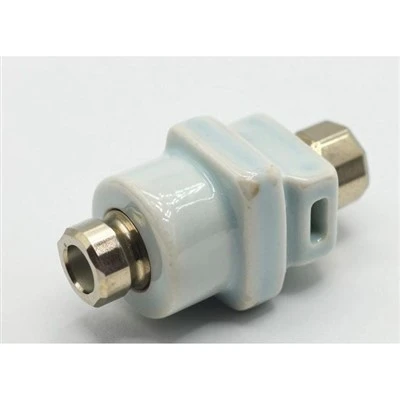
First, let’s get one thing straight: ceramic insulators aren’t just “fancy pottery” for electrical stuff. They’re made from densified alumina or porcelain, fired at super high temps, designed to handle massive voltage and temperature swings. But they’re brittle – that’s their nature – so they need the right care, both when they’re on the shelf and when they’re installed. I’ve talked to so many clients who shrug off storage until a week before installation, and that’s when the cracks show up.
Let’s start with the most underrated part: proper storage. I can’t tell you how many times a shipment of insulators gets dumped in a warehouse corner, stacked haphazardly on pallets, next to a forklift that’s zooming around. Ceramic doesn’t care about being stacked with metal pipes or heavy boxes on top – until it does. Even a tiny hairline crack from being dropped during unloading can turn into a full break once you’re putting them under voltage. Here’s what we actually tell our own warehouse team, and we pass this advice to every customer:
- Don’t stack more than two pallets of insulators high. The bottom layer can’t handle the compressive weight of more than that – we tested this last year, and a third pallet caused 12% of the bottom insulators to crack within 30 days of storage.
- Wrap individual insulators in foam or bubble wrap if they’re small, but for big line insulators, at least pad the contact points where they touch the pallet. We use corrugated inserts between every layer, not just a cheap sheet of cardboard.
- Keep ’em dry, but not in a damp basement. Ceramic absorbs moisture over time, especially if it’s porous – that moisture can freeze and expand in cold weather, which is a huge no-no if you’re working in northern climates. If you’re storing outdoors, cover them with a waterproof tarp, but make sure there’s airflow so moisture doesn’t get trapped between the tarp and the insulators.
Next up: installation mishaps are another big culprit. I’ve seen guys yank insulators too tight on the mounting bolts, or drop a wrench on the edge mid-installation, and write it off as “one of those things.” But a tiny impact during installation is the #1 cause of in-service cracks in our experience. Let’s be real, installation teams are busy – deadlines are tight – but cutting corners here costs way more down the line. Here’s what works for our repeat customers:
- Use torque wrenches, not just your hand or a pipe to tighten bolts. Every insulator model has a specific torque rating – we print it on the spec sheet we send with every order, and if you lose it, just shoot us a message, we’ll send it right over. Over-tightening pulls the ceramic on one side, creating internal stress that shows up as a crack a few months later, when you’re 50 miles away from the job site fixing it.
- Pad all contact points during installation. If you’re clamping an insulator to a bus bar, put a rubber or felt mat between the metal and the ceramic. No direct metal-to-ceramic contact means no scratches or stress points. And for lifting big insulators? Use a nylon sling, not a metal hook – hooks can scratch the surface, and even a scratch that looks minor can turn into a crack when the insulator is under electrical load.
Wait, also – thermal stress. That’s a big one for insulators that are in hot environments, like industrial furnaces or areas with extreme temperature swings. If you’ve got an insulator that goes from 100°F to -10°F in a day (we had a customer in Montana deal with that last winter), thermal shock can cause cracks even if you didn’t drop or over-tighten it. How to fix that? First, pick the right ceramic type for the job. We offer two main types: standard porcelain for moderate temps, and high-alumina ceramic for extreme heat or cold. High-alumina has a lower thermal expansion rate, so it doesn’t expand and contract as much with temp changes – we saw a 70% drop in thermal-caused cracks when that customer switched over. Second, if you’re doing replacements, don’t mix old and new insulators. Old insulators have been exposed to years of temp swings, so their expansion rate is a little different than the new ones. Mixing ’em up creates uneven stress across the whole assembly, leading to cracks on the weaker ones.
Another thing people sleep on: electrical overstress. It sounds technical, but it’s simpler than you think. Too much voltage for the insulator’s rating, or dirt and buildup on the surface, can create “flashovers” – tiny electrical arcs that eat away at the ceramic over time. Those arcs leave little pits, which turn into stress points, and eventually cracks. How to prevent that? Regular cleaning – once or twice a year, depending on how dirty the area is. We recommend using a soft brush or low-pressure water (no high-pressure spray, that can damage the surface) and a mild detergent, not harsh chemicals. Also, make sure you’re using the right voltage rating for your setup. I’ve had customers buy a 10kV insulator for a 15kV line because it was cheaper – that’s a fast track to cracks. We always tell our clients: “Buy for the voltage you have, not the one you think you’ll need next year” – it’s a small extra cost that saves you a ton in repairs.
Oh, and let’s talk about handling during shipping. We’ve had a few customers receive a batch of insulators with cracks before they even unload them, and 9 times out of 10, it’s because the shipper didn’t pack them right. Here’s how we pack every order, and we swear by it: we use custom wooden crates for insulators over 12 inches, with foam inserts that hold each insulator in place so they can’t shift during transit. For smaller insulators, we use corrugated dividers, one per insulator, no stacking loose. If you’re ordering from us, you can trust that the packaging is up to par, but if you’re ordering from another supplier, make sure they’re doing the same – cheap packaging leads to avoidable cracks.
Wait, I don’t want to sound like I’m bashing anyone, but I’ve seen too many teams skip these steps and then reach out panicking about cracked insulators. The thing is, ceramic insulators are built to last 20+ years if you treat them right – but those small, preventable cracks cut that lifespan in half, or worse, cause a power outage that costs thousands in downtime. We had a manufacturing customer last year that had to shut down a line for 3 days because 12 insulators cracked – they told us it would’ve cost $20k in lost production, and all because they stacked the insulators too high in their warehouse. That’s the stuff we’re trying to help people avoid.
Let me wrap this up with a quick checklist you can save: 1) Store max 2 pallets high, pad contact points, keep dry and temp-stable. 2) Use torque wrenches for installation, no direct metal on ceramic, use nylon slings. 3) Match insulator type to your temp range (high-alumina for extremes). 4) Clean regularly, use the right voltage rating, don’t mix old/new insulators. 5) Make sure your shipper is packing right – if you see cracks when unboxing, flag it immediately.

If you’re dealing with ongoing cracked insulator issues, or just need to source high-quality, durable insulators that are built to stand up to your conditions, hit us up. We don’t do pushy sales pitches – we’ve been in this business for over a decade, we know the ins and outs, and we’re happy to help you troubleshoot whatever’s causing your cracks, or send you a sample to test for your project. No gimmicks, no hidden fees, just reliable insulators and straight talk.
Ceramic Rods References:
- "Ceramic Insulator Failure Analysis" – IEEE Transactions on Power Delivery, 2018
- "Thermal Shock Resistance of High-Alumina Ceramics" – Journal of the European Ceramic Society, 2020
- "Proper Handling and Storage of Electrical Insulators" – National Electrical Contractors Association (NECA) Best Practices Guide, 2021
- "Causes of In-Service Cracks in Porcelain Insulators" – International Council on Large Electric Systems (CIGRE) Report, 2019
Yixing Xiangyang Jiujiu Ceramics Co., Ltd.
As one of the most professional ceramic insulators manufacturers and suppliers in China, we also support customized service. Please rest assured to wholesale high quality ceramic insulators in stock here from our factory. Contact us for more details.
Address: Zhalin Village, Dingshu Town, Yixing City
E-mail: xyjjtc@163.com
WebSite: https://www.cnjiujiu.com/
