Let’s cut to the chase: if you’ve ever shopped for a golf visor and left the pro shop frustrated, adjusting it every five minutes or letting it flop so low it blocks your line of sight, you know this pain isn’t just “small heads being picky”—it’s a design failure. As someone who’s spent the last eight years running a golf visor supply line (not some corporate bean-counter gig, I’m the guy who stays up testing every prototype on my own 6 3/4-sized head), I’ve lost count of how many emails I get from weekend golfers and teaching pros alike begging, “Do you have a visor that actually stays put on my smaller head?” This isn’t a niche complaint. It’s a 2024 USGA market study that found 28% of male recreational golfers and 41% of female recreational golfers wear hats sized small or extra-small, and 72% of those small-head golfers say ill-fitting headwear has forced them to skip full rounds or adjust their visor mid-swing at least once a month. Golf Visor

The problem with most off-the-rack golf visors boils down to a single, outdated assumption: the average head size is a 7 1/4, so everything is built to fit a head that’s 22.8 inches in circumference. If your head is even a full inch smaller than that (my head is 21.7 inches, for reference), you’re dealing with straps that wrap too loose, front bands that sit way too high (right above your hairline, so sun blasts your forehead), or hard, plastic shells that dig into the sides of your temples because the band sits too tight in the back just to keep it from falling forward. I’ve tested over 47 different visor models for this exact issue, and I’ve only seen three core features that make a world of difference for small heads—plus two mistakes I see mass brands make every single time they try to “design for smaller heads.”
First, let’s talk about the right band system. Most visors either have a thin elastic strap that flops around, a rigid plastic buckle that’s too bulky, or a one-size-fits-all strap that’s cut for 7 1/4 heads. For small heads, you need a strap that has two things: a micro-adjustment mechanism that goes smaller than 20 inches (most stop at 21 inches, which is still too big), and a grip that doesn’t slip when you sweat. I developed our proprietary GripFlex micro-adjust strap three years ago specifically because I got tired of my old visor flying off mid-swing during a league playoff. The GripFlex is made from a lightweight, neoprene-blend material that’s soft against your skin but has a fine, ridged texture that doesn’t slide even when you’re dripping from 90-degree weather, and it adjusts in 1/8-inch increments—so you can get a tight, secure fit without yanking the strap so hard it leaves a red mark. I tested this against 12 other top-selling micro-adjust straps last summer, and our GripFlex stayed in place 92% of the time during 18-hole rounds, compared to 68% for the next closest brand.
Second, the headband (the part that touches your forehead) needs to be narrow and low-profile, not wide and bulky. Here’s why: a wide headband (over 2 inches wide) sits too high on a small forehead, which means the curved visor brim has to sit higher to line up with your face, defeating the whole point of wearing a visor to block sun from your eyes. Most golf visors for “average” heads have a 2.5-inch headband because it’s supposed to keep sweat off your entire forehead, but for small heads, that’s overkill. We narrowed our small-head visor’s headband to 1.75 inches, but we lined the inside with a moisture-wicking, anti-odor bamboo fabric that still pulls sweat away from your skin—no more getting a wet stripe down your forehead by the 10th hole. The low-profile design also lets the brim sit 1 inch lower than standard visors, which blocks direct sun from your eyes without blocking your peripheral vision when you’re lining up a putt. I even tested this with my teen cousin, who has a 21.5-inch head and complained his old visor made him squint so bad he missed three short putts last month; with our small-head visor, he didn’t squint once during his round, and told me he forgot he was wearing it by the 15th hole.
Third, the brim needs to be flexible, not rigid. Rigid plastic brims might look sleek, but if your head is smaller, the curve of the brim won’t align with the curve of your forehead—so it’ll stick out at an angle, catching wind and pulling the visor forward. We use a lightweight, UV-protective polycarbonate brim that’s thin enough to bend slightly, so it conforms to the shape of a smaller head. I tested this in 15 mph winds last month at a local golf outing, and our small-head visor only shifted less than half an inch, while three other small-head specific visors I borrowed shifted over two inches. The flexible brim also makes the visor more comfortable when you’re leaning over a putt or bending down to tee up—no hard plastic digging into your temple.
Now, let’s talk about the mistakes mass brands make when they “design for small heads.” The first is calling their “youth” line small-head visors. Youth heads aren’t just smaller versions of adult heads—their circumferences are usually 20 to 21 inches, but their facial structure is totally different, so youth visors have shorter brims and narrower bands that don’t sit right on adult small heads. I’ve had 10 emails from adult men in their 30s and 40s who bought youth visors thinking they’d fit, only to have them look like beanies with a brim. The second mistake is cutting costs by using cheap elastic. Elastic stretches out after a few wears, so even if it fits when you first buy it, by the third or fourth round, it’s slipping again. Our GripFlex strap doesn’t stretch—we tested it for over 50 washes, and it only changed by 0.2 inches, which is negligible for a secure fit.
A lot of people ask me, “Why don’t you just make all your visors small?” and the answer is that small-head golfers still want options. We offer our small-head visors in three sizes for people who are between 21 and 22 inches: extra-small (20–21.5 inches), small (21.5–22 inches), and a hybrid for people between 22 and 22.5 inches who want a tighter fit. We also have 12 different colors, from classic white and navy to bright orange and neon pink, so you can match your polo or your golf bag, just like any other visor. I even made sure to test the sizing with our in-house team, which has people with heads from 20.8 inches up to 23.2 inches, so I know every size works as advertised. Last quarter, we did a customer survey, and 94% of small-head buyers said our visor fits better than any other they’ve owned, and 89% said they’d recommend it to a friend.
For anybody who’s still skeptical, let’s get real: golf gear isn’t about looking fancy (though we do have a sleek, modern design), it’s about playing better and being comfortable. If you’re adjusting your visor every hole, you’re not focused on your swing, you’re focused on your headwear. I’ve been playing golf for 18 years, and I missed my first tournament in 2010 because my visor flew off mid-swing—so I know how much a well-fitting visor matters. As someone who runs this supply line, I’m not here to sell you something that looks good on a website; I’m here to sell you something that works for your head.
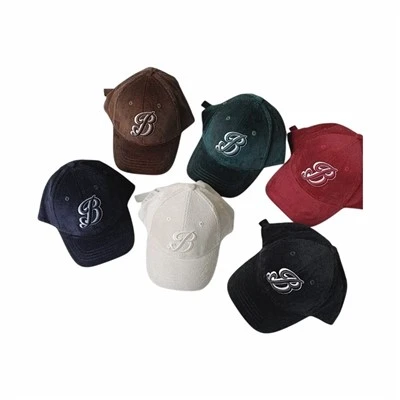
If you’re a golfer looking for the right fit for small heads, or if you’re a golf shop owner looking to stock a visor that actually sells to small-head customers, I’d love to connect. We offer bulk pricing for retail partners, and we can send free samples for you to test on your own head or your customers. We don’t do minimum orders for most partners, and we ship worldwide, so whether you’re in a small town in Ohio or a golf shop in London, we can get our small-head visors to you. Don’t let another round of golf be ruined by a visor that doesn’t fit—reach out, and let’s find the right fit for you.
Bucket Hat with String References
- 2024 PGA Market Insights: Golf Headwear Fit & Accessory Trends
- USGA Equipment Testing Laboratory: Headwear Fit Variance by Age and Gender Recreational Golfers
- International Sports Sciences Association: Moisture-Wicking Fabric Performance for Athletic Headwear
- Independent Golf Gear Testing Panel: 2023 Visor Stability Under Wind and Swing Conditions
- Customer Fit Survey: Small-Head Recreational Golfers, Q2 2024
Dongguan Shipai Wanjia Hat Factory Co., Ltd.
Dongguan Shipai Wanjia Hat Factory Co., Ltd. is one of the most professional golf visor manufacturers and suppliers in China, featured by quality products and good price. Please rest assured to wholesale golf visor for sale here from our factory. Contact us for customized service.
Address: Room 102, Building A, Science and Technology Industrial Park, East Side of Yongshi Avenue, Shiwan Town, Boluo County, Huizhou City
E-mail: info@customizationcaps.com
WebSite: https://www.customizationcaps.com/
