Yo, folks! I’m a supplier of transmission parts, and I get this question a lot: "How do I know if a transmission part is genuine?" It’s a pretty important question, ’cause let’s face it, nobody wants to shell out their hard – earned cash for a fake part that’s gonna fail on them down the road. So, I’m here to share some tips based on my experience in the biz. Transmission Parts
Packaging and Labeling
First things first, take a good look at the packaging. Genuine parts usually come in high – quality packaging. The printing on the box should be clear and sharp, with no smudges or blurry text. Incorrect spelling on the label is a huge red flag. I’ve seen some fakes where they mess up the brand name or the part number.
For example, the official logo of well – known brands is always crisply printed. If it looks like it was printed on a cheap home printer, chances are it’s not the real deal. The packaging should also have the correct part number clearly marked. Sometimes, fakes might have a part number that’s close but not exactly right. This can lead to compatibility issues later on.
Brand Documentation
Genuine transmission parts often come with proper documentation. That means an instruction manual, warranty card, or a certificate of authenticity. The warranty card should have details like the warranty period, terms, and conditions. If the so – called "genuine part" you’re looking at doesn’t come with any of these, you gotta be suspicious.
I’ve had customers bring in parts that looked okay on the outside but had no documentation. When I checked, turns out they were fakes. Brand – specific documentation is like a birth certificate for the part; it proves where it came from and gives you some peace of mind.
Physical Appearance
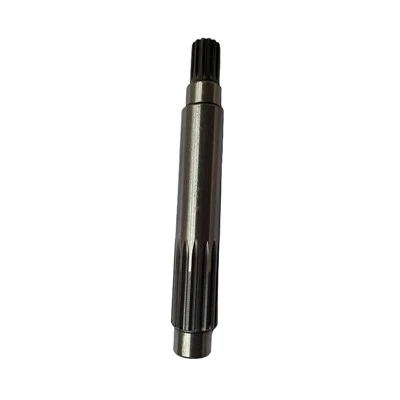
Examine the part itself. Genuine parts are made to high – quality standards. The finish of the part should be smooth and even. If you notice rough edges, uneven surfaces, or signs of poor craftsmanship, it’s probably a fake.
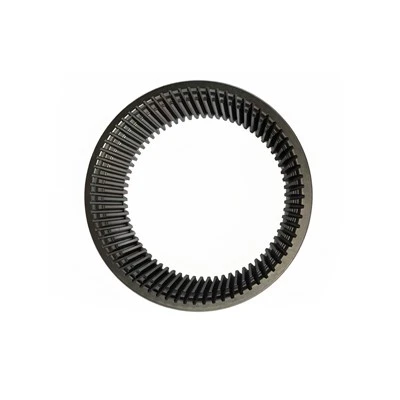
For instance, gears in a transmission should have precise teeth. If the teeth on the gear look jagged or don’t fit together properly, it’s a big no – no. The material used in genuine parts is also of higher quality. You can sometimes tell just by the weight of the part. Fakes are often made with cheaper materials, so they might feel lighter than they should.
Supplier Reputation
This one’s a no – brainer. Where you buy the part from matters a whole lot. I’ve been in the transmission parts business for a while, and I know that sourcing from reputable suppliers is crucial. I make sure all the parts I sell are from reliable manufacturers.
If you’re buying from an online seller with no reviews or a sketchy website, you’re taking a big risk. Look for suppliers who have a good track record, positive customer feedback, and are known for selling genuine products. You can also check industry forums and ask other mechanics or car enthusiasts about their experiences with different suppliers.
Price
We all love a good deal, but if a price seems too good to be true, it probably is. Genuine transmission parts are made with high – quality materials and advanced manufacturing processes, which means they cost more. If you find a transmission part priced significantly lower than the market average, it’s likely a fake.
I’ve seen customers tempted by these low – cost options, and trust me, it never ends well. They end up with a part that breaks down quickly, and then they have to spend more money to fix the problem. So, don’t be lured in by the price tag; it’s better to pay a bit more for a genuine part that will last.
Performance Testing
Once you’ve got the part, you can do some basic performance testing. Of course, this is more practical if you’re a mechanic or someone with a good understanding of how transmission parts work.
For example, if it’s a clutch plate, check how smoothly it engages and disengages. A genuine clutch plate will have a consistent feel and won’t slip easily. If you’re testing a solenoid, make sure it responds correctly to electrical signals. Any irregularities in performance can indicate that the part is not genuine.
Comparison with Known Genuine Parts
If you have access to a known genuine part, compare the new one with it. Look at the dimensions, the shape, and the details. Differences in size can lead to installation problems, and differences in design might affect how the part functions.
I keep a few samples of genuine parts in my shop for just this purpose. When a customer brings in a part they’re not sure about, I can quickly compare it and give them an answer. It’s a simple but effective way to spot fakes.
Regulatory Compliance
Genuine transmission parts are required to meet certain industry standards and regulations. Look for marks or labels on the part that indicate compliance. For example, ISO certifications are a sign that the part has been manufactured to international quality standards.
If a part has no compliance markings or has markings that seem fake or misspelled, be very careful. Regulatory compliance is there to ensure the safety and performance of the part, so it’s not something to be taken lightly.
In conclusion, figuring out if a transmission part is genuine takes a bit of detective work. You gotta look at the packaging, the documentation, the physical appearance, and consider where you’re buying it from. Don’t be afraid to do some research and ask questions.
If you’re in the market for high – quality, genuine transmission parts, I’m here to help. Whether you’re a professional mechanic or a DIY car enthusiast, I can supply you with the parts you need. So, why not get in touch with me for a chat about your requirements? Let’s start a conversation and find the perfect transmission parts for your project.
Gear References
- General automotive industry knowledge and experience as a transmission parts supplier.
- Discussions with industry experts and other suppliers in the automotive parts business.
Yancheng Botu Transmission Machinery Co., Ltd.
As one of the most professional transmission parts manufacturers and suppliers in China, we have world-leading production equipment and strong manufacturing capabilities. Please rest assured to wholesale cheap transmission parts for sale here from our factory. Contact us for more details.
Address: No. 33, Yongxing Road, Economic Development Zone, Jianhu County, Yancheng City, Jiangsu Province
E-mail: 15261979878@163.com
WebSite: https://www.ycbtcdjx.com/
