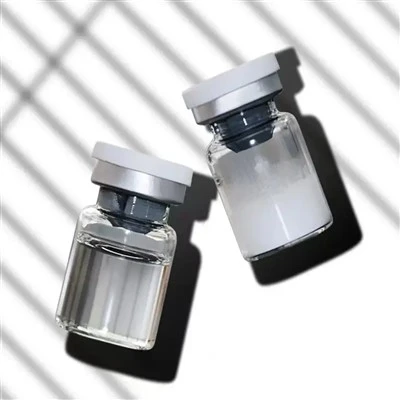
As a supplier of cosmetic peptides, I often receive inquiries from customers who follow a vegan lifestyle about the suitability of our products for their skincare routines. This is an important and timely topic, as the demand for vegan skincare products has been steadily increasing in recent years. In this blog post, I will delve into the question of whether cosmetic peptides are suitable for vegan skincare, exploring their sources, production methods, and benefits from a vegan perspective. Cosmetic Peptides
Understanding Cosmetic Peptides
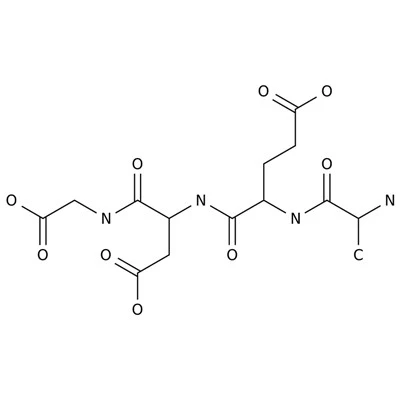
Before we can determine the suitability of cosmetic peptides for vegan skincare, it’s essential to understand what they are. Peptides are short chains of amino acids, the building blocks of proteins. In the context of skincare, cosmetic peptides are designed to mimic the functions of natural peptides in the skin. They can play various roles, such as stimulating collagen production, reducing the appearance of wrinkles, and improving skin elasticity.
Sources and Production of Cosmetic Peptides
The key concern for vegans when it comes to skincare products is whether they are derived from animal sources or involve animal testing. Let’s take a closer look at the sources and production methods of cosmetic peptides to address these concerns.
Synthetic Sources
Most cosmetic peptides used in the skincare industry today are synthetically produced. This means they are created in a laboratory setting using a combination of chemical reactions and biotechnology. Synthetic peptides are designed to have the same structure and function as their natural counterparts but are made without the use of animal-derived materials.
The process of synthesizing peptides typically involves solid-phase peptide synthesis (SPPS). In this method, amino acids are sequentially added to a growing peptide chain attached to a solid support. The process is highly controlled and can be optimized to produce peptides with specific sequences and properties. Since SPPS does not rely on animal sources, synthetic peptides are generally considered vegan-friendly.
Fermentation
Another method of producing cosmetic peptides is through fermentation. This process involves using microorganisms, such as bacteria or yeast, to produce peptides. The microorganisms are genetically engineered to produce specific peptides, which are then harvested and purified. Fermentation is a sustainable and efficient method of peptide production, and it does not involve the use of animal-derived materials.
For example, some companies use genetically modified bacteria to produce collagen peptides. These bacteria are grown in a nutrient-rich medium, and the peptides they produce are extracted and purified. The resulting collagen peptides can be used in skincare products to improve skin texture and reduce the appearance of fine lines and wrinkles.
Animal-Derived Peptides
While most cosmetic peptides are synthetic or produced through fermentation, there are some peptides that are derived from animal sources. For example, some collagen peptides are extracted from animal hides, bones, or fish scales. These peptides are often used in skincare products because they are similar in structure to the collagen found in human skin.
However, for vegans, animal-derived peptides are not suitable for use in skincare products. Vegans avoid using products that are derived from animals or involve animal testing, and animal-derived peptides do not meet these criteria.
Benefits of Cosmetic Peptides in Vegan Skincare
Assuming we are talking about synthetic or fermentation-produced peptides, there are numerous benefits to incorporating them into vegan skincare routines.
Anti-aging Properties
One of the most well-known benefits of cosmetic peptides is their anti-aging properties. Peptides can stimulate the production of collagen and elastin, which are essential proteins for maintaining the skin’s firmness and elasticity. As we age, the production of collagen and elastin naturally decreases, leading to the appearance of wrinkles and sagging skin. By using skincare products containing peptides, we can help to boost collagen and elastin production, reducing the signs of aging and improving the overall appearance of the skin.
Hydration
Peptides can also help to improve the skin’s hydration levels. Some peptides have the ability to attract and retain water molecules, which can help to keep the skin hydrated and plump. This is especially important for people with dry or dehydrated skin, as it can help to improve the skin’s texture and reduce the appearance of fine lines.
Skin Repair and Protection
In addition to their anti-aging and hydration benefits, peptides can also play a role in skin repair and protection. Some peptides have antioxidant properties, which can help to protect the skin from damage caused by free radicals. Free radicals are unstable molecules that can damage cells and contribute to the aging process. By using skincare products containing antioxidant peptides, we can help to protect the skin from damage and keep it looking healthy and youthful.
How to Choose Vegan-Friendly Cosmetic Peptides
When choosing cosmetic peptides for vegan skincare, it’s important to look for products that are clearly labeled as vegan or cruelty-free. This will ensure that the peptides are synthetic or produced through fermentation and do not contain any animal-derived ingredients.
It’s also a good idea to do some research on the company that produces the peptides. Look for companies that have a commitment to sustainability and ethical manufacturing practices. Some companies may even have third-party certifications, such as the Vegan Society logo or the Leaping Bunny certification, which indicate that their products are vegan and cruelty-free.
Our Cosmetic Peptides: A Vegan-Friendly Solution
As a supplier of cosmetic peptides, we are committed to providing high-quality, vegan-friendly products to our customers. Our peptides are synthetically produced or manufactured through fermentation, ensuring that they do not contain any animal-derived ingredients.
We also take great care to ensure that our production processes are environmentally friendly and sustainable. We use state-of-the-art technology and equipment to minimize waste and energy consumption, and we work closely with our partners to ensure that our products are produced in a responsible and ethical manner.
Conclusion
In conclusion, cosmetic peptides can be a suitable and beneficial addition to vegan skincare routines, as long as they are synthetic or produced through fermentation and do not contain any animal-derived ingredients. Peptides offer a range of benefits, including anti-aging, hydration, and skin repair and protection, making them a valuable ingredient in skincare products.
If you are interested in incorporating cosmetic peptides into your vegan skincare line, I encourage you to reach out to us. We can provide you with detailed information about our products, including their specifications, benefits, and usage guidelines. Our team of experts is also available to answer any questions you may have and help you choose the right peptides for your specific needs.
Cosmetic Peptides Contacts us to discuss your sourcing requirements and discover how our cosmetic peptides can enhance your vegan skincare formulations.
References
- Alberts, B., Johnson, A., Lewis, J., Raff, M., Roberts, K., & Walter, P. (2002). Molecular Biology of the Cell. Garland Science.
- Bissett, D. L., Oblong, J. E., & Berge, C. A. (2008). A 12-Week, Randomized, Double-Blind, Placebo-Controlled Clinical Study of the Efficacy and Safety of a Topical Cream Formulation With Matrixyl 3000 in the Treatment of Facial Wrinkles. Journal of Cosmetic Dermatology, 7(4), 247-255.
- Draelos, Z. D. (2009). The Cosmetic Chemist’s Guide to Functional and Bioactive Ingredients. Elsevier.
Ruypeptide Biotechnology Co., Ltd.
Ruypeptide Biotechnology Co., Ltd. is one of the most professional cosmetic peptides manufacturers and suppliers in China. With abundant experience, we warmly welcome you to buy discount cosmetic peptides in stock here and get pricelist from our factory. Quality products and reasonable price are available.
Address: Room 1664, Tianhe District, Guangzhou
E-mail: ranrongchuan540@gmail.com
WebSite: https://www.gslifepharma.com/
