As a seasoned provider of cured resin, a recurring question I often encounter in the electronics industry is whether cured resin can be used in electronics. This query is not just a fleeting curiosity but holds significant weight for engineers and manufacturers in the field. In this article, I aim to explore this topic in depth, drawing on my experience and industry knowledge. Cured Resin
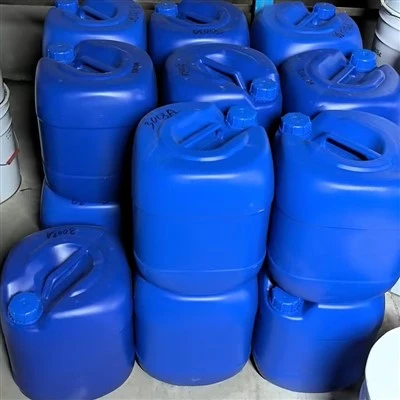
Understanding Cured Resin
Before delving into its applications in electronics, it’s essential to understand what cured resin is. Cured resin is a polymer material that has undergone a curing process, transforming it from a liquid or semi – liquid state into a solid. This transformation is typically achieved through chemical reactions, triggered by factors such as heat, light, or catalysts.
There are various types of cured resins available in the market, each with unique properties. Epoxy resins, for instance, are known for their excellent adhesion, high mechanical strength, and chemical resistance. Silicone resins, on the other hand, offer good flexibility, thermal stability, and electrical insulation. Polyurethane resins are valued for their toughness, abrasion resistance, and ability to form a waterproof seal.
Properties of Cured Resin Relevant to Electronics
When considering the use of cured resin in electronics, several key properties come into play:
Electrical Insulation
One of the most crucial properties is electrical insulation. Electrons need to flow through precise paths in electronic circuits, and any interference can lead to malfunctions. Cured resins, especially epoxy and silicone, have high dielectric strength, which means they can prevent the flow of electricity between conductive elements. This property helps in protecting the circuits from short – circuits and other electrical failures.
Thermal Stability
Electronics generate heat during operation. If this heat is not managed properly, it can damage components. Cured resins with good thermal stability can withstand high temperatures without degrading. For example, some silicone resins can operate at temperatures up to 200°C or even higher, making them suitable for use in high – power electronic devices such as power amplifiers and LED lighting systems.
Chemical Resistance
Electronic devices may be exposed to various chemicals during their manufacturing, use, or storage. Cured resins offer protection against chemicals such as solvents, acids, and alkalis. This chemical resistance helps in maintaining the integrity of the electronic components and extends the lifespan of the devices.
Adhesion
Cured resins can bond well to different materials, including metals, plastics, and ceramics. This adhesion property is useful for encapsulating electronic components, holding them in place, and providing mechanical support. For example, in printed circuit boards (PCBs), cured resin can be used to attach components and protect the delicate circuitry from physical damage.
Applications of Cured Resin in Electronics
Encapsulation
Encapsulation is a common application of cured resin in electronics. It involves covering electronic components with a layer of resin to protect them from environmental factors such as moisture, dust, and mechanical shock. For example, in automotive electronics, sensors and control modules are often encapsulated with cured resin to ensure reliable operation in harsh environments.
Potting
Potting is similar to encapsulation but typically involves filling a larger enclosure or cavity with resin. This is often used for transformers, capacitors, and other high – voltage components. The resin provides electrical insulation, thermal management, and mechanical protection.
Conformal Coating
Conformal coating is a thin layer of cured resin applied to the surface of a PCB. It protects the circuitry from moisture, dust, chemicals, and corrosion. Conformal coatings are commonly used in consumer electronics, aerospace, and military applications where reliability is of utmost importance.
Underfill
In flip – chip and ball – grid – array (BGA) packages, underfill is used to fill the gap between the semiconductor chip and the PCB. Cured resin underfill helps in reducing the stress caused by thermal expansion and contraction, improving the mechanical reliability of the package.
Challenges and Considerations
While cured resin offers many benefits in electronics, there are also some challenges and considerations:
Curing Process
The curing process of resin needs to be carefully controlled. If the curing conditions are not optimal, the resin may not fully cure, resulting in poor mechanical and electrical properties. For example, if the temperature is too low during the heat – curing process, the resin may remain sticky and not achieve its full strength.
Compatibility
The resin must be compatible with the electronic components it comes into contact with. Some resins may react with certain metals or plastics, leading to corrosion or degradation of the components. It’s important to conduct compatibility tests before using a new resin in an electronic application.
Cost
The cost of cured resin can vary depending on the type, quality, and quantity. In some high – volume electronic manufacturing, the cost of the resin can be a significant factor. Manufacturers need to balance the performance requirements with the cost when selecting a cured resin.
Conclusion
In conclusion, cured resin can indeed be used in electronics, and it plays a vital role in ensuring the reliability and performance of electronic devices. Its electrical insulation, thermal stability, chemical resistance, and adhesion properties make it suitable for various applications such as encapsulation, potting, conformal coating, and underfill.
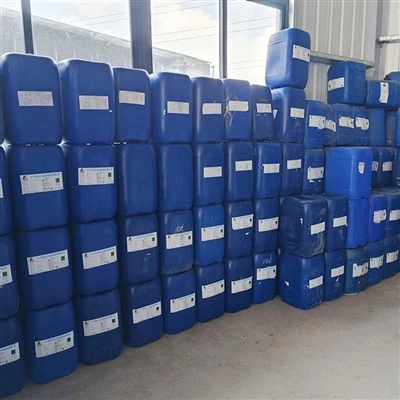
However, it’s important to be aware of the challenges and considerations, such as the curing process, compatibility, and cost. As a cured resin supplier, I am committed to providing high – quality resin products and technical support to help electronics manufacturers overcome these challenges and achieve their goals.
Wood Finish If you are in the electronics industry and are considering using cured resin in your products, I would be more than happy to discuss your specific requirements. Our team of experts can provide customized solutions based on your needs. Whether you need a resin with high thermal conductivity for a power – hungry device or a flexible resin for a wearable electronics application, we have the expertise and products to meet your demands. Contact us to start a procurement discussion and take your electronic products to the next level.
References
- "Handbook of Epoxy Resins" by Henry Lee and Kris Neville
- "Silicone Elastomers in Electronics" by various authors, published by the Society of Plastics Engineers
- "Polyurethane Handbook" by Gunter Oertel
Winsir Decoration Materials Co., Ltd.
With abundant experience, we are one of the most professional cured resin manufacturers and suppliers in China. Please feel free to wholesale bulk cured resin in stock here from our factory. Good service and quality products are available.
Address: Zhonghe Village Industrial Zone, Duruan Town, Pengjiang District, Jiangmen City
E-mail: service@winsir.com.cn
WebSite: https://www.winsir-intl.com/
