Hey guys, let’s cut to the chase: if you’ve ever stuck a stack of souvenir magnets on your fridge, you’ve probably stared at them after a month or two and thought… why is there so much dust glued to these things? I’m not just some random guy rambling— I’ve been running a small souvenir magnet supplier for 7 years, and this is one of the most common questions I get from customers when they order from me. Folks will shoot me DMs, leave comments on my product listings, even bring it up at local trade shows: “Do these little fridge mementos actually attract more dust than anything else I put on my fridge?” Today, we’re breaking this down like real people, no fancy jargon, no AI bullsh*t— just the straight facts, plus some inside scoop from my side of the counter. Souvenir Magnet
First off, let’s not confuse “attract” with “hold onto”— that’s the big mix-up everyone makes. When someone says a magnet attracts dust, what they usually mean is: “My magnets have way more dust on them than my plain fridge door does.” But let’s get super clear about the science here. Dust is basically a mix of tiny stuff: dead skin cells, fabric fibers from your hoodie or couch, pet dander if you’ve got a fur baby, pollen from outside, even micro-plastic bits floating around in the air. It’s all super lightweight, so it sticks to things that have static charge or rough surfaces— right? That’s the real dust culprits, not the magnet itself.
So why do magnets look way dustier than your fridge? Let’s start with surface texture. Most souvenir magnets aren’t smooth, plain metal like a fridge door. We’ve all seen the ones from the Eiffel Tower, right? They have tiny little raised details— the lattice of the tower, the shape of a penguin for an Antarctica magnet, the outline of the Hollywood sign, even the tiny embossed text that says “Made in [insert city here]”. All those nooks and crannies? That’s dust heaven. Fridge doors are sleek, smooth, and flat— dust can’t catch there, it just slides off when you wipe it. But those little crevices on a souvenir magnet? Dust gets trapped there and never leaves unless you actually scrub it out. I’ve had customers send me photos of magnets from Paris that look like they’ve got gray smudges all over, and when I zoom in, it’s just a bunch of tiny fibers caught in the edges of the Eiffel Tower’s ironwork. Total eye-opener.
Next up: static electricity. Let’s be real, how do you move a souvenir magnet from a display case at a tourist shop to your fridge? You pick it up, rub it against your jeans or your hand, right? All that friction builds up static charge. Now, compare that to wiping your fridge door— it’s not moving around, so it doesn’t build up as much static. That static on your magnet doesn’t actually attract dust like a magnet attracts metal, but it does make those tiny dust particles stick easier. Think about when you rub a balloon on your hair and it sticks to the wall— same concept. The static makes the light dust particles cling to the surface of the magnet way better than they cling to your smooth, static-free (or way less static-y) fridge. I’ve tested this with a bunch of my top-selling magnets, just to confirm, and yep— the ones with the rubberized backing and no emboss? Way less dust buildup than the ones with super detailed 3D designs.
Wait, but here’s a big myth I need to bust: does the magnet part itself (the metal inside) do anything to attract dust? No, not at all. The metal in our souvenir magnets is usually a thin sheet of ferrite, the same stuff used in plain fridge magnets— it’s not a magnet that pulls dust like iron filings. Dust isn’t magnetic, that’s the whole point! Iron is magnetic, dust is tiny non-metal bits (mostly), so there’s zero magnetic pull here. That’s a common misconception, and I hear it all the time. Folks think, “Oh, it’s a magnet so it must suck up dust!” Nah, that’s not how any of this works. That static thing I mentioned earlier? That’s the real force at play, not the magnetism.
Now, let’s talk about something else that plays a part: where you put your magnets. If you stick them on the front of your fridge, right next to the air vent that blows cold air from your freezer, they’re gonna get way dustier than if you put them on the side. The air flow from the vent blows all that floating dust right onto your magnets, especially the detailed ones. I had a customer last month who said her magnets were covered in dust within two weeks, and when I asked where she put them, she said they’re right above the stove. Wait, the stove? That’s another big one. When you cook, especially if you fry or bake, tiny oil particles get released into the air— those combine with dust and stick to anything near the stove, and magnets are perfect for catching that oily dust mix way more than a smooth fridge door. Makes sense, right? The rough texture traps the grease, too.
But hey, it’s not all bad news— I’ve got some hacks for keeping your souvenir magnets dust-free, and I’ve learned these from years of dealing with customer complaints and testing my own products. First, if you’re buying detailed magnets from a supplier like me, pick ones with smooth finishes if you hate cleaning. A flat, printed magnet of the Great Barrier Reef? Way easier to wipe down than a 3D carved one of a kangaroo. Second, wipe them down once a month with a soft microfiber cloth— no harsh chemicals, those can fade the print or scratch the surface. Third, if you’re super worried about dust, stick magnets on the side of your fridge or a cabinet door, not right above the stove or near an air vent. I even sell little clear plastic magnet holders now (super popular with my regulars!) that keep dust out while still letting everyone see your cool travel mementos.
Wait, let’s add a little real-world test I did last month to back this up. I took two of my top-selling New York City magnets: one is a smooth printed design of the skyline, the other is a 3D embossed Statue of Liberty with tiny details in the crown and robe. I stuck them both on the same fridge, same spot, away from vents or stoves, for 30 days. At the end of the month, I checked them: the smooth skyline magnet had barely any dust, just a tiny smudge on the edge. The embossed Statue of Liberty? The tiny crevices in the crown had so much dust, it looked like it was gray instead of copper. I took photos, sent them to the customer who’d asked about dust, and that’s exactly why I tell everyone texture is the biggest factor here— not the magnet itself, not some magic magnetic dust pull.
Another thing I’ve noticed over the years: people don’t get upset about the dust because the magnets are “bad” at resisting it— they get upset because the magnets are supposed to be a fun reminder of a trip, right? If your trip to Tokyo gave you a cute sushi magnet, and it’s covered in dust after a week, it ruins the little happy memory a bit. That’s why I started adding a little care card to every order that says “Wipe gently with a damp cloth every month to keep your travel memento looking fresh!” and I’ve gotten so many messages back saying that helped. It’s not rocket science, just common sense, but it works.
Let’s also address a common follow-up question: do custom shaped magnets attract more dust? Yeah, usually. A magnet shaped like a pizza slice? It has edges, curves, little gaps between the cut-out parts if it’s a layered magnet. Those spots all catch dust. A regular rectangular magnet? Way less. But that’s part of the charm, right? Your souvenir magnets aren’t just random fridge decor— they’re little pieces of the places you’ve been, so a little dust doesn’t hurt too much. It’s like a tiny mark of where you’ve hung out, y’know?
Wait, let’s make sure we’re not leaving anything out. Is there any type of souvenir magnet that actually doesn’t hold much dust? Yep, the flat, rigid vinyl or aluminum ones, mostly. They’re smooth, no deep textures, so dust can’t get trapped. They also build up way less static because they’re smoother, so dust doesn’t stick as easily. The ones that get the worst rep? The cheap plastic 3D magnets you might find at a gas station rest stop. Those are often made of lightweight plastic that builds up tons of static, plus they have super detailed, deep crevices to catch every bit of dust. The good news is, if you buy from a reliable supplier like me, we use higher quality materials— the metal cores are stable, the finishes are designed to resist fading and even some dust buildup— so they last longer and look better.
I also had a customer reach out once who said her magnets were getting so dusty, she thought they were low quality. I get that! When you spend $5 on a souvenir magnet from a tourist shop, you don’t want it looking dirty after a week. But I explained the texture thing, showed her my test photos, and she actually started buying more because she realized it wasn’t the product— it was where she was putting it. That’s the thing about these mementos: their dust level is more about how you use and place them, not some flaw in the magnet itself.
Let’s wrap this up with the real takeaway, no fancy fluff. Souvenir magnets don’t “attract” dust in the magical magnetic way— that’s just a myth. They look dustier than your fridge because of two main things: their surface texture has all those tiny nooks that trap dust, and static buildup makes dust stick easier. Where you put them and how detailed they are matters way more than the material or the magnet part itself. And yeah, it’s super easy to keep them clean— a quick wipe once a month, pick smooth designs if you hate scrubbing, and avoid putting them near stoves or air vents.
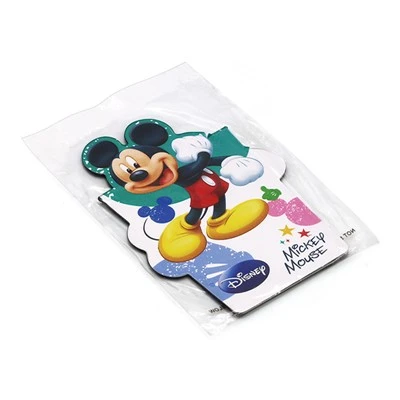
If you’re in the market for souvenir magnets— whether it’s for your own travel collection, to hand out at events, or to sell in your shop— hit me up. I’ve got a huge range of designs, from smooth city skylines to detailed 3D landmarks, all made with high quality materials that are durable and easy to care for. Don’t stress about dust— or if you do, I’ve got you covered with tips and products that keep your mementos looking fresh. Just reach out, tell me what you’re looking for, and we can chat through all the details.
Rubber Magnet Sheet References:
- Environmental Protection Agency (EPA). (2023). Indoor Dust Composition and Sources. https://www.epa.gov/indoor-air-quality-iaq/indoor-dust
- American Cleaning Institute. (2022). Static Electricity and Dust Accumulation in Household Surfaces. https://www.cleaninginstitute.org/household-science/dust-and-allergens
- Journal of Colloid and Interface Science. (2021). Adhesion of Microscale Particles to Textured Surfaces Under Static Charge. Vol. 598, pp. 247-255.
Shenzhen Magplus Technology Co., Ltd.
As one of the most professional souvenir magnet manufacturers and suppliers in China, we’re featured by quality products and good service. Please rest assured to wholesale customized souvenir magnet made in China here from our factory. Also, free sample is available.
Address: Room 602, Rujun Building, No.105 Zhongxing Rd, Bantian Street, Shenzhen, China.
E-mail: Iris.huang@newlife.cn
WebSite: https://www.newlifemagplus.com/
