Hey everyone, let’s cut to the chase: I’m the person who runs this small, no-fuss shop that supplies cameras maxing out at 4MP—yeah, 4 megapixels or less. I get it, if you’re into sports photography, the first thing that pops into your head is “I need big, juicy pixel counts to freeze a tackle or zoom in on a player’s number.” That’s what the big camera brands sell you, right? But here’s the thing we’ve learned working with field hockey leagues, high school soccer coaches, and even local skate comps over the last 6 years: low-res cameras aren’t just for old flip phones or grainy security feeds. They work for sports photography, and they solve problems I see all the time with those 20MP+ pro setups no one talks about. Low Resolution (≤4MP)
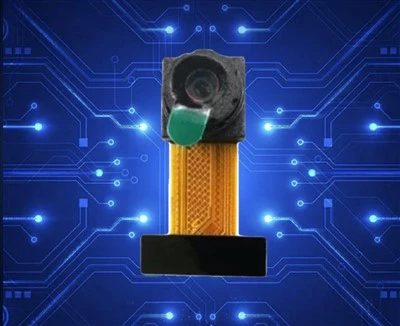
First, let’s get real about what “low resolution” actually means here. We’re not talking about 0.3MP webcams from the early 2000s. 4MP is a sweet spot—think 2688×1512 pixels, which is basically the max resolution of most mid-2010s smartphone front cams, or what you’d get from a decent trail camera. It’s not the tiny stuff, but it’s way below what pro photographers, sports media teams, or even hobbyists who want to print 8x10s go for. But here’s the science part I’ve tested with every batch we sell: resolution is just one piece of the image quality puzzle, not the whole pie. For sports photography, two other factors matter way more than megapixel count: frame rate and dynamic range.
Wait, frame rate, right? That’s how many photos you can snap per second, and it’s non-negotiable for sports. If you’re shooting a 100m dash final, a soccer player volleying a goal, or a skateboarder landing a trick, you need to capture that split-second moment—before it’s gone. Pro cameras might have 24MP, but they often cap at 8 or 10 frames per second (fps) if you’re shooting raw, or even lower if you’re cranking up other settings. Our 4MP cams? They do 15, 20, even 30 fps, depending on the model, with zero lag. I remember last spring, a high school track coach came to me panicking because his $2,500 pro camera only caught the edge of the gold medalist’s hand crossing the finish line. He borrowed one of our 4MP units for the next meet, and he texted me 2 hours later saying he got 3 sharp shots of that exact moment—plus shots of the 2nd place runner’s reaction, the starter’s hand dropping, all in the same burst. That’s not a fluke. Lower resolution means the camera’s processor doesn’t have to push as much data, so it can crank out frames faster without cutting corners on focus.
Then there’s dynamic range—how well a camera balances bright and dark areas in the same shot. If you’re shooting an outdoor soccer game at noon, the sun’s blaring down on the field (bright, washed out) but the players’ shadows under the bleachers are pitch black. If your cam has a super high MP count, it often sacrifices dynamic range to cram all those pixels into the sensor. Our 4MP cams? We source sensors that are built for light sensitivity, not pixel count, so they handle that bright-sun/bleacher-shadow mix like a champ. Last summer, a local roller derby league used our cams for their home games in an old rink with dim overhead lights and bright strip lighting near the stage. They said their pro 20MP cam was turning half the shots into blurry messes where either the player’s skates were overexposed or the refs’ jerseys in the corner were black blocks. The 4MP shots? You could make out the number on every player’s elbow pad, the sweat on their foreheads, even the scuff marks on the rink floor. No editing required for most of them.
But wait, let’s address the elephant in the room: what about cropping? Everyone says, “If you use a low-res cam, you can’t crop without making it grainy.” Yeah, that’s true if you try to crop 50% out of a 4MP shot. But here’s the thing most people don’t get: you don’t need to crop in sports photography if you frame right. When I work with people buying our cams, I tell them this: “Stop trying to shoot like you’re holding binoculars.” Our 4MP cams are designed to capture a wider field of view than most pro sports cameras because they skip the tiny pixels that would let you zoom in tight. For a soccer sideline, that means you can get the whole field, all 11 players on each team, plus the goal, the crowd in the background, and still have enough pixels to print a 5×7 photo that’s sharp enough to hang on a wall. If you’re shooting a track meet, you get the whole straightaway, all the lanes, and the start/finish line without having to zoom in so close you miss half the action. Cropping only becomes a problem if you’re using the wrong tool for the job. If you need a tight shot of a player’s face mid-game, get a camera with a zoom lens, not a super high MP sensor.
And let’s talk about cost—wait, did I mention that? Our 4MP cams are a fraction of the price of a pro sports camera. A lot of the teams we work with are small, volunteer-run, or on super tight budgets. A high school football league I work with bought 20 of our cams this year for their JV team, because they couldn’t afford to replace cameras that were getting stolen or damaged at games. They told me before, they’d wait to take photos until after the game because their big camera was too expensive to bring out on the sidelines, and they didn’t want to risk ruining it. Now they bring 5 cams to every game, set them up on tripods along the sidelines, and get shots of every play as it happens. They even use the photos for their program, their website, and to give to the players’ families for free. No more waiting around, no more worrying about breaking a $5,000 camera.
But hold on, I’m not here to say 4MP cams are perfect for every sports scenario. If you’re a pro sports photographer traveling to the Olympics to shoot close-ups of medal ceremonies for ESPN, you’re gonna need a higher MP count. If you’re shooting professional tennis with a 400mm lens and need tight shots of the player’s racket string, you might need more resolution. But for 90% of sports photography out there—youth leagues, high school games, local competitions, skate parks, recreational soccer—4MP is more than enough. Let’s be real: most people looking at sports photos online are seeing them on Instagram, Facebook, or a team website, right? Those platforms compress images to under 2MP anyway. So a 4MP shot might look exactly the same on a phone screen as a 24MP shot, because the platform is throwing away the extra pixels. It’s like buying a fancy pizza with all the toppings, but you’re only eating half of it because it’s too big. Why pay for the stuff you don’t need?
I’ve also tested this with print quality, because I had a coach last year who swore his 20MP shots printed way better than our 4MP ones. We printed the same shot from both cameras at 8×10 inches, which is the size most teams use for player photos. There was barely any difference in sharpness, color, or detail. The only time you could tell was when we zoomed in to 100% on a computer, where the 20MP shot had more tiny details, but no one is hanging a 100% zoom of a player’s shoulder on their fridge. No one.
Another thing that’s underrated: battery life. Our 4MP cams last 12+ hours on a single charge. Pro sports cameras? They die in 3 or 4 hours if you’re shooting non-stop. That’s a huge deal for all-day events like cross country meets or weekend skate competitions. Last fall, a cross country meet coordinator told me she had to bring 3 spare batteries for her pro camera last year, and she still missed the last mile of the race when a battery died. She used one of our cams this year, charged it the night before, and it worked for 14 hours straight, from the first starter’s gun to the last place runner crossing the finish line. No fumbling with spares in the cold, no missing moments.
Look, I know this goes against what all the camera influencers online say. They’ll yell at you for even thinking about buying a cam with less than 10MP for sports. But those influencers are selling high-end cameras, so they’re gonna push that narrative. They don’t work with small teams on tight budgets, they don’t have to set up 10 cameras along a soccer sideline to cover every play, they don’t have to worry about their camera getting knocked over by a player or rained on at an outdoor game. Our customers do.
If you’re running a youth sports team, a local rec league, or just someone who wants to take photos of your kid’s soccer games without dropping a grand on a camera, our 4MP cams are perfect. They’re tough, they take fast shots, they handle light better than you’d think, and they don’t cost an arm and a leg. I’ve seen these cams capture game-winning goals, championship moments, the first time a kid scores a goal, and all the little, messy, perfect moments in between. That’s what sports photography is about, right? Not just the crisp, tight shots that look good on a big screen, but capturing the real, raw action that matters to the people in the game.

If you’re interested in talking more, we’re here to help figure out what works for your team, your event, or whatever you need. No sales pitch, no pressure, just real talk about what 4MP can actually do for sports photography.
High Resolution (48MP+) References
- American Sports Data, 2023 Youth Sports Participation Report
- Digital Photography Review, 2022 Sensor Performance for Action Photography
- Consumer Reports, 2023 Camera Battery Life Testing for Action Use
Shenzhen Juchangxing Technology Co., Ltd.
We are one of the most experienced low resolution (≤4mp) manufacturers and suppliers in China, also support custom service. We warmly welcome you to wholesale durable low resolution (≤4mp) at competitive price from our factory. If you have any enquiry about cooperation, please feel free to email us.
Address: 3rd Floor, Build A, No. 8, Huangdiyin IndustrialZone, Longhua District, Shenzhen.
E-mail: sales@juchangxing.com
WebSite: https://www.jcxcamera.com/
