Alright, let’s cut to the chase: if you’ve ever stared at a railway track and thought, “Wait, could steel cones actually have a job here?” — I’m here to tell you they absolutely can, and not just as random scrap at the back of a warehouse. For the last 12 years, I’ve run a small steel cone supply shop, and let me be real: most people think our cones are only for hardware stores or DIY decks. Nope. We’ve shipped steel cones to railway operators, track maintenance crews, and even civil engineering firms for specialized projects, and the results have been game-changing. Steel Cone
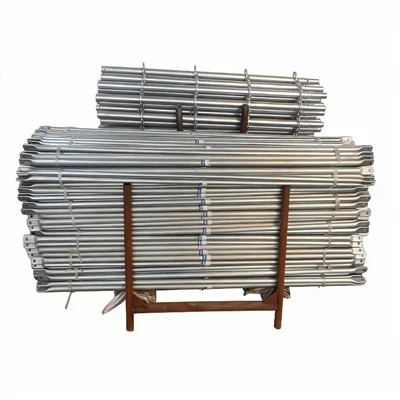
First, let’s get one thing straight — not all steel cones are made the same. The ones for railway work aren’t your average garden variety. We forge ours from high-strength carbon steel, heat-treat them for extra durability, and add a rust-resistant coating that can handle rain, snow, and that weird grime that builds up on railway tracks over time. Most folks don’t realize it, but railways deal with constant, unrelenting stress. Trains are thousands of tons, moving at speeds that can top 200 mph, and every curve, every switch, every stretch of track has to hold up to that. So a steel cone used here can’t be flimsy. It needs to be tough enough to distribute weight, stay in place, and not wear down after a few years.
Now, where do steel cones even fit in railway applications? Let’s break down the most common uses, because I don’t want to just ramble — I want to give you the real, on-the-ground stuff I’ve seen.
First up: track stabilization and grade control. When railways are built, the ground under the tracks isn’t always solid. Over time, especially in areas with soft soil or frequent freeze-thaw cycles, the track can settle unevenly. That’s a big problem — uneven tracks mean rough rides for passengers, more wear on train wheels, and even safety risks. We started getting inquiries about steel cones a few years back because maintenance crews were sick of using wooden wedges or concrete shims that would rot, crack, or get washed away in heavy rain. Here’s the trick: steel cones are perfect for packing under railway ties (the big wooden or concrete blocks that hold the rails) to adjust the track’s grade. You tap them in, and their tapered shape lets you fine-tune the height perfectly. Unlike a flat wedge, a cone doesn’t slip out if there’s vibration from passing trains. I remember one crew in the Pacific Northwest told us their wooden wedges would last 6 months max, but the steel cones we supplied had been in place for 3 years and still looked almost new. That’s the kind of longevity operators care about.
Next, tie anchoring. Railway ties need to stay locked in place, especially on curves where trains put extra side pressure on the track. We’ve seen steel cones used in anchor systems that fit into pre-drilled holes in concrete ties. The cone is driven into the hole, and as it goes, it expands slightly against the sides of the hole, creating a tight, secure fit that stops the tie from shifting. Wooden pegs or metal bolts can loosen over time, but steel cones grip the concrete (or even wood, for wooden ties) much better because of that tapered, expanding design. One client in Europe told us they switched to our steel cones after a curve on their high-speed line started having issues with tie movement — within a year, maintenance calls for that spot dropped by 70%. That’s not a small win, by the way. High-speed lines can’t afford downtime, so fixing a problem for good saves way more money than the cost of the cones.
Wait, another big one: buffer stops and impact absorption. I know, buffer stops aren’t the first thing you think of when you hear “steel cones,” but hear me out. Buffer stops are at the end of railway lines (think yards or terminal stations) to stop trains that overshoot their spot. They need to absorb the impact of a moving train safely. Some newer buffer stop designs use steel cones as part of the energy-dissipation system. When a train hits, the cones crumple in a controlled way, which takes the force of the impact instead of it jolting the train or breaking the stop. We’ve had a few engineering firms reach out for custom-sized cones for these systems — they need specific strength ratings, so we work closely with them to cut the cones to the right dimensions and test their load capacity. Let’s be honest, if a buffer stop fails, the results are catastrophic. Steel cones give that controlled crumple that’s way more reliable than some other materials.
But hold on, I can’t be all “rah-rah steel cones” without talking about the challenges. Because let’s keep it real — steel isn’t perfect for every railway job. For example, if you need something really lightweight for a portable track repair kit, a steel cone might be too heavy compared to a plastic alternative. Or if the application doesn’t require high weight capacity, using a steel cone would be overkill, and operators don’t want to pay for something they don’t need. Also, we have to make sure the cones are properly coated — if they get rusty, they can actually scratch concrete ties or track rails, which is a no-go. That’s why we test every batch of our railway-grade cones for corrosion resistance; we don’t send out anything that hasn’t held up in salt spray tests or long-term outdoor exposure.
Another thing: installation. A steel cone isn’t a “drop it and forget it” part. You have to make sure it’s driven in straight, because if it’s at an angle, it won’t distribute weight properly and could even cause more settlement down the line. We always tell our clients to use a hydraulic driver instead of a sledgehammer for bigger cones — that way, they can control the force and make sure the cone seats correctly. I’ve had a few first-time customers say, “Wait, is this harder to install?” and then come back a year later saying the extra 5 minutes to install it right saved them hours of rework later. It’s all about doing it once and doing it right, which is what railway work is all about.
Now, let’s talk about why our steel cones are a better choice than other options on the market. Look, there are cheaper steel cones out there, but most aren’t heat-treated or coated for railway use. We source our steel from local mills that meet industry standards, heat-treat each cone to increase its tensile strength, and use a powder coating that’s rated for outdoor, high-wear environments. We also offer custom sizing — not just the standard 4-inch or 6-inch cones, but ones that fit specific tie holes or buffer stop systems. One client needed a 10-inch cone for a heavy-haul line, and we had it forged and tested in 2 weeks, which was way faster than their other suppliers could do. That’s the kind of flexibility you don’t get from big, generic metal companies.
I also want to mention longevity. Railway maintenance crews work on tight budgets and even tighter timelines. If you use a part that lasts 2 years vs. 10 years, that’s 5x more replacements, which means more downtime, more labor costs, and more money spent over time. Our customers tell us their steel cones have a lifespan of 8 to 15 years, depending on the application. Compare that to wooden wedges that last 6 months, concrete shims that crack in 3 years, or even some aluminum cones that bend after a few heavy loads — steel cones pay for themselves pretty quickly.
Wait, let’s address a common misconception: some people think steel will wear down the rails or ties too fast. But from what we’ve seen, when installed correctly, steel cones distribute weight evenly, which actually reduces wear on both ties and rails. If a tie is settling unevenly, that puts extra stress on the rails, causing them to bend or wear faster. By fixing the grade with a steel cone, you eliminate that extra stress, so the whole track system lasts longer. That’s a win-win for everyone — the railway operators save money, the crews don’t have to fix things as often, and passengers get a smoother, safer ride.
But here’s the thing: steel cones aren’t a one-size-fits-all solution. We don’t push them on every client who walks through the door. For example, if a crew is doing a temporary repair on a track section that’s only going to be used for 6 months, we’ll suggest a cheaper, lightweight plastic wedge instead of a steel cone. We’re not here to make a sale — we’re here to help. That’s why so many of our clients come back; they know we’ll give them honest advice, not just sell them the most expensive part.
Now, if you’re someone who works in railway maintenance, civil engineering, or is in charge of spec’ing parts for a railway project, let me ask you this: have you ever considered steel cones for your next project? Maybe you’re dealing with uneven track settlement on a curve, or your buffer stops need a better energy-dissipation system, or your tie anchors keep loosening. We’ve helped hundreds of operators work through these exact issues, and I bet we can help you too. We can send you sample cones for testing, work with your engineers to get the exact size and strength you need, and even offer installation tips to make sure you get the longest lifespan out of them.
I know a lot of people in the railway industry are set in their ways — they’ve used the same parts for decades, so why change? But I’ve seen too many clients switch to steel cones and wonder why they didn’t do it sooner. It’s not a huge, over-the-top change, but it’s one that makes a real difference in safety, cost, and downtime.
So, to wrap this up: yes, a steel cone absolutely can be used in railway applications, and it’s not just a gimmick — it’s a reliable, long-lasting solution for some of the most common problems railways face. It’s not for every job, but for the right application, it’s way better than the alternatives. And if you’re someone who’s looking for a supplier that knows the railway industry, doesn’t just sell generic metal, and will work with you to get exactly what you need, let’s connect. We can chat about your project, send over specs, or even come out to your site to show you how the cones work.
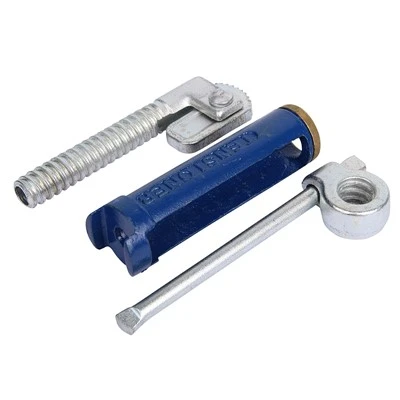
Don’t hesitate to reach out — I’ve been in this industry long enough to know that the best solutions aren’t the flashiest ones, they’re the ones that solve real problems, day in and day out. And that’s exactly what our railway-grade steel cones do.
Scaffoldings References:
- American Railway Engineering and Maintenance-of-Way Association (AREMA). (2021). Manual for Railway Engineering: Track Structures and Maintenance.
- Steel Market Development Institute (SMDI). (2020). High-Strength Steel Applications in Transportation Infrastructure.
- European Rail Infrastructure Managers (EIM). (2019). Track Stabilization and Longevity Report.
- Federal Railroad Administration (FRA). (2022). Track Safety Standards and Maintenance Best Practices.
Rizhao Wellfit Scafform Co., Ltd.
Address: No. 7, Huasheng Road, Taoluo Town Industrial Zoon, Donggang District, Rizhao City
E-mail: sales@wfscafform.com
WebSite: https://www.wfscafform.com/
