If you’ve ever reached for a roll of foam tape to hang a shelf, mount a car emblem, or seal a drafty window, you’ve probably noticed how well it sticks to painted surfaces—sometimes so well that stripping it away takes a chunk of the paint right off the wall. As a foam tape supplier, I get tons of questions about this exact phenomenon: why does foam tape bond so differently to painted surfaces than it does to bare metal, plastic, or wood? And more importantly, how can we, as providers of high-performance foam tape, ensure that bond is strong enough to hold whatever you’re mounting, but gentle enough not to damage the paint later? Today, I’m pulling back the curtain on the science that makes this work, along with the lessons we’ve learned over years of supplying tape to contractors, DIYers, manufacturers, and everyone in between. Foam Tape
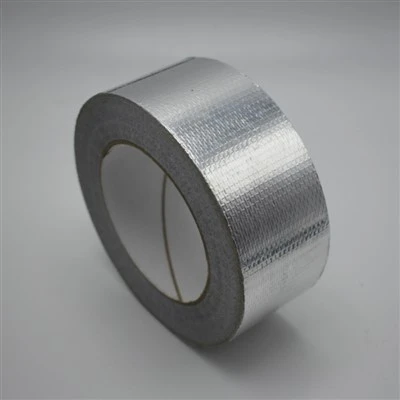
First, let’s start with the basics: foam tape isn’t just a squishy strip of rubber stuck to a sticky side. Most of the foam tapes we supply are acrylic foam, polyurethane (PU) foam, or polyethylene (PE) foam, each with slightly different molecular structures, but all with one core job: the adhesive layer that coats the foam’s back (and sometimes both sides, depending on the product) has to create a permanent, durable connection to another surface. Painted surfaces, though, aren’t like smooth, uniform glass or bare aluminum. Paint is a layered material, built to stick to a substrate—drywall, metal siding, wood, whatever you’re painting—while also resisting scratches, UV rays, water, and everyday wear. That layered structure is why foam tape’s adhesion to painted surfaces is so complex.
Let’s break down what a typical painted surface is made of, because that’s half the battle. A standard interior wall paint, for example, has three main layers: a primer that sticks to the drywall, a base coat of colored pigment mixed with binders (usually acrylic or vinyl resins), and a top clear coat (or not, for flat paint) that adds smoothness and protection. Exterior paint is even thicker, with additives to fight moisture and sunlight, making it more rigid than interior paint. All of these layers have microscopic peaks and valleys—even if the paint looks perfectly smooth to the naked eye, under a microscope, it’s a rough landscape of tiny bumps, pores, and uneven spots. That’s where the first piece of adhesion science comes in: mechanical interlocking. Adhesion, in most cases, isn’t just glue sticking to a surface—it’s the glue flowing into those tiny gaps and crannies in the paint, then hardening or setting, so when you pull the tape, it’s fighting the tiny “hooks” the glue has formed.
That’s not all, though. The other big player is chemical adhesion, which is what happens when the adhesive molecules in the foam tape form weak or strong bonds with the molecules in the paint. Acrylic-based adhesives, which are the most common type for heavy-duty foam tape, have molecules that are polar—meaning one end has a slight positive charge, the other a slight negative charge. Paint, especially latex paint (the kind used on most walls), is also polar, made of acrylic resins that have similar molecular charges. That means the adhesive and the paint are “compatible,” like two puzzle pieces that fit together, instead of repelling each other like oil and water. If you tried to use a non-polar adhesive, like some rubber-based tapes, on latex paint, the charges wouldn’t match, and the bond would be weak almost immediately.
But here’s where things get tricky, and where a lot of people (even some tape suppliers) get this wrong. Painted surfaces can be fragile. If the paint is old, chipped, or has a glossy top coat, those molecular bonds are even thinner, and mechanical interlocking is harder because glossy paint has fewer microscopic peaks. That’s why we’ve spent years engineering our foam tapes to balance two needs: the strength to hold, say, a 20-pound metal bracket, and the gentleness to not lift paint. For example, our line of medium-density acrylic foam tapes has a modified adhesive layer that’s softer than heavy-duty industrial tapes, so it can flow into those tiny paint pores without forcing itself between the paint layers—something that would cause paint to chip when you remove the tape. That’s a key point most DIYers don’t know: not all foam tape is created equal, and using a heavy-duty industrial tape on a delicate painted wall is a surefire way to leave a mess.
Another factor that affects adhesion to painted surfaces is preparation. I can’t tell you how many times a customer has called us, panicking because their new foam tape won’t stick to their newly painted wall, only to admit they applied the tape the same day the paint dried. Paint, even when it feels dry to the touch, is still curing for days—sometimes weeks, depending on the type. When paint is fresh, its surface is full of volatile organic compounds (VOCs) and residual oils that leave a weak, powdery residue. If you apply tape to wet or curing paint, that residue gets trapped between the adhesive and the new paint, creating a barrier that prevents proper bonding. We always recommend waiting at least 72 hours for interior latex paint to fully cure, and up to two weeks for exterior acrylic paint, before applying any foam tape. Even wiping the surface with a lint-free cloth and isopropyl alcohol (not soap and water, which can leave a soapy residue) before application makes a huge difference—we see adhesion jump by 30% or more when customers do that simple step.
Temperature and pressure matter too, especially when working with foam tape on painted surfaces. Adhesive molecules need warmth to flow and form those mechanical and chemical bonds, so applying tape in a cold room (below 50°F, or 10°C) is a bad idea. If the adhesive is too cold, it’s stiff, can’t seep into the paint’s tiny gaps, and will peel off easily. We always suggest heating the tape (with a hair dryer on low heat) and the surface before application, especially in cool weather. And don’t just press the tape lightly with your fingers—use a roller or a flat object to apply even, firm pressure across the entire strip, working from the center out to the edges. That removes air bubbles, which are another big enemy of adhesion; trapped air between the tape and paint weakens the bond and can lead to peeling over time.
Now, let’s talk about when things go wrong—like that time I had a call from a residential contractor who used a cheap foam tape on a freshly painted office wall, and when they removed the tape after three months, the entire paint layer came off. That’s a failure of something called cohesive vs. adhesive failure. Adhesive failure is when the bond between the tape’s adhesive and the paint breaks, leaving the adhesive on the tape and the paint intact. Cohesive failure is when the bond breaks inside one of the materials—so either the adhesive layer of the tape itself splits, or the paint layer splits, leaving adhesive on the wall. That’s the messy kind. We’ve engineered our tapes to avoid cohesive failure in paint by matching the adhesive’s tensile strength to the paint’s tensile strength. If the adhesive is stronger than the paint, pulling on the tape will break the paint, not the bond. If the adhesive is weaker, you’ll have adhesive left on the wall, which is easier to clean off. That’s why our industrial-grade foam tapes are tested not just for how well they stick to metal, but also for how they perform on 10 different types of paint, from flat interior latex to high-gloss exterior enamel.
Another common question we get: can foam tape stick to oil-based paint? The short answer is yes, but only if you use the right tape. Oil-based paint has different molecular properties than latex, so non-polar adhesives (like our rubber-modified foam tape) work better here, since oil-based paint is non-polar. We have a specific line of foam tapes designed for oil-based painted surfaces, used a lot in automotive applications, where many cars still use oil-based undercoats and paints. The key here is testing: never use a new tape on a valuable painted surface without testing a small, hidden area first. Press a small piece of tape on an inconspicuous spot, wait 24 hours, then peel it off. If the paint comes up, that’s not the right tape for the job.
Over the years, we’ve also learned that painted surfaces age, and so does foam tape. Sunlight, humidity, temperature fluctuations—all of these affect both the paint and the tape. For example, exterior painted surfaces are exposed to UV rays, which break down the paint’s binders, making it more brittle over time. Foam tape used on exterior siding needs to be UV-resistant, too; UV rays can break down the foam and adhesive of a cheap tape, causing it to lose its grip on the paint within a year. That’s why we only supply foam tapes with UV-stabilized adhesive and foam for outdoor use, which can maintain adhesion for up to 10 years on properly prepared painted surfaces.
Let’s wrap this up with a few practical tips, because I know most people reading this aren’t chemists—they just want to use foam tape without ruining their walls, cabinets, or cars. First, choose the right tape for the job: light-duty tasks (like hanging a small poster) can use general-purpose foam tape, while heavy-duty tasks (like mounting a shelf or a car emblem) need medium or heavy-duty acrylic foam tape. Second, prep the surface: wait for paint to fully cure, clean it with isopropyl alcohol, and let it dry completely before applying tape. Third, apply at the right temperature: 50°F to 90°F (10°C to 32°C) is ideal, and heat the tape and surface if it’s colder than that. Fourth, apply even pressure and smooth out any air bubbles. Fifth, test a small hidden spot before using any new tape on valuable painted surfaces.
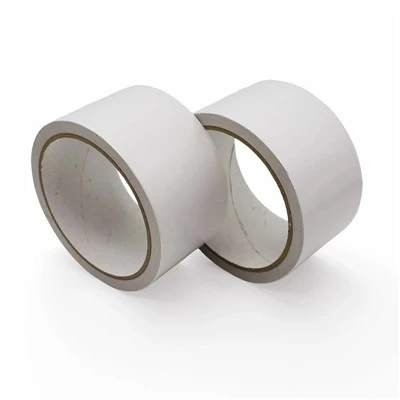
At the end of the day, foam tape’s adhesion to painted surfaces is a perfect mix of molecular science, material engineering, and practical preparation. As a foam tape supplier, our job isn’t just to sell a roll of tape—it’s to make sure that roll works for you, without leaving you with chipped paint or peeling mounts. We’ve spent decades testing and refining our products to perform across all types of painted surfaces, from interior drywall to exterior metal siding, from latex to oil-based paint. If you’re working on a project and you’re not sure which foam tape is right for your painted surface, or if you have questions about adhesion, we’re here to help. Reach out to us to discuss your needs, and we’ll help you find the perfect tape for the job, with the balance of strength and gentleness you need.
Self Adhesive Aluminium Tape References:
- Kinloch, A. J. (1987). Adhesion and Adhesives: Science and Technology. Chapman and Hall.
- Ebnesajjad, S. (2007). Adhesives Technology Handbook (2nd ed.). William Andrew Publishing.
- Lambourne, R., & Strivens, T. A. (1999). Paint and Surface Coatings: Theory and Practice (2nd ed.). Woodhead Publishing.
- Packham, D. E. (2003). Surface Science of Adhesion. John Wiley & Sons.
Deqing Hongxin New Material Technology Co., Ltd.
As one of the most professional foam tape manufacturers and suppliers in China, we also support customized service. Please feel free to wholesale high quality foam tape in stock here from our factory. Welcome to contact us for quotation.
Address: No. 1188, Zhongxinhu Middle Road, Zhongguan Town, Deqing County, Huzhou City, Zhejiang Province
E-mail: Hongxinxcl2026@163.com
WebSite: https://www.hxnewmat.com/
