When I first started working in auxiliary machinery back in 2012, I used to mix it up with “main engine parts” all the time. Like, I’d show up to a client meeting talking about a “main auxiliary pump” and get side-eyed so hard I thought I’d messed up big time. Turned out, most folks who don’t work in marine, industrial, or power generation industries don’t even know what auxiliary machinery is—let alone why it matters. That’s why I’m breaking it down straight, no fancy jargon, just the real stuff I’ve learned shipping parts and troubleshooting systems for over a decade. Auxiliary Machinery
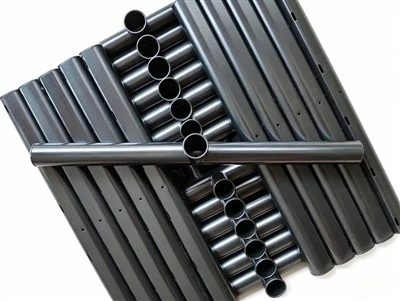
First, let’s cut to the basics. Auxiliary machinery is basically all the non-core equipment that keeps a big system running smoothly. Wait, what’s a core system? Think the main engine on a ship—you know, the big honking thing that pushes the whole vessel through the water, or a power plant’s turbine that makes electricity. The auxiliary stuff is everything else that supports that core: no main engine runs on its own, no turbine makes power without backup systems working nonstop. It’s not just extra gear—it’s the backbone that prevents everything from shutting down, or worse, breaking mid-operation.
Let’s use marine as an example because that’s where I cut my teeth, and it’s the easiest to wrap your head around. A container ship might be the size of a small town, but without aux machinery, it’s just a metal barge floating with no purpose. Let’s list the stuff I supply every single week: auxiliary pumps that move fresh water through the engine to keep it from overheating, fuel transfer pumps that move diesel from storage tanks to the main engine’s fuel injectors, air compressors that power pneumatic tools and start the main engine, and even wastewater treatment units that keep the ship compliant with environmental rules. If any one of these goes down during a transoceanic voyage? You’re not delivering containers on time—you’re adrift, waiting for a repair crew, racking up huge costs. That’s why clients never skimp on quality auxiliary gear; a cheap pump failing mid-Atlantic is way more expensive than buying a reliable one upfront.
It’s not just marine, though. I work with industrial manufacturing plants too, like big auto factories. Their core systems are the assembly line robots and the main production machines that weld car frames. The auxiliary machinery here includes air conditioning units for the factory floor to keep workers and equipment from overheating, hydraulic systems that power the assembly line’s arms, and even compressed air systems that run tools like paint sprayers. A auto plant’s entire schedule hinges on those air compressors keeping up—if they drop, the line stops, no cars get made, no revenue for the whole plant. Same with power generation: a coal or natural gas plant’s core is the turbine, but auxiliary machinery includes cooling towers that keep the turbine from overheating, water treatment systems that prep the boiler water, and control panels that monitor every part of the plant. Skip a cooling tower fan? Turbine overheats, power goes out for thousands of homes.
Wait, let’s make sure we’re not confusing auxiliary machinery with other types of equipment. A lot of new clients will ask for “spare parts” and mean both core and auxiliary, but there’s a line. Core equipment is the primary unit doing the main job: main engine for propulsion, turbine for power, assembly robot for welding. Auxiliary is all the supporting gear that makes that primary unit work. Another way to think of it: if the core is the lead singer of a band, auxiliary machinery is the sound system, lighting, roadies, and backup singers. You can’t have a concert without those, even though the lead is the star.
And let’s talk about why this matters right now, because so much has changed in the last few years. Environmental regulations are way stricter than when I started. The IMO (International Maritime Organization) now requires ships to have emission control systems, which are a type of auxiliary machinery. Same with industrial plants—they need scrubbers and air filtration units that are auxiliary but mandatory. A lot of old systems can’t handle these new rules, so clients are upgrading their auxiliary gear more than ever. I’ve seen a 30% jump in orders for emission control units and wastewater treatment systems in the last three years alone, and that’s not slowing down.
I should also mention that auxiliary machinery isn’t just for big ships or power plants. We work with small boat operators, small manufacturing shops, even commercial bakeries that use industrial ovens—their auxiliary machinery includes ventilation systems to keep ovens from overheating and backup generators in case of power outages. Every industry that runs on heavy equipment has auxiliary machinery, and no two setups are exactly the same. That’s why part of my job isn’t just selling parts—it’s helping clients pick the right gear for their specific setup. A pump that works for a small fishing boat won’t work for a 10,000 TEU container ship, and vice versa.
A common mistake I see is clients waiting for auxiliary machinery to break before replacing it. That’s a huge cost trap. I once had a client whose auxiliary fuel pump failed during a voyage; they had to divert to a port 500 miles off their route, pay for a replacement pump, repair labor, and lose two days of delivery time. Total cost? Over $150,000. The auxiliary pump itself cost $3,000. That’s why we push proactive maintenance—regular checks on auxiliary gear, replacing parts before they fail, having spares on hand. It’s way cheaper than fixing a breakdown mid-operation.
So to wrap it up, let’s make the definition clear for anyone who’s new to this: Auxiliary machinery is all the secondary, supporting equipment that enables a primary (core) system to function safely, efficiently, and compliantly with regulations. It’s not the main event, but it’s the reason the main event doesn’t shut down. It’s in every industry that relies on heavy machinery, from shipping to manufacturing to power generation, and it’s more critical than ever as rules get stricter and operations get busier.
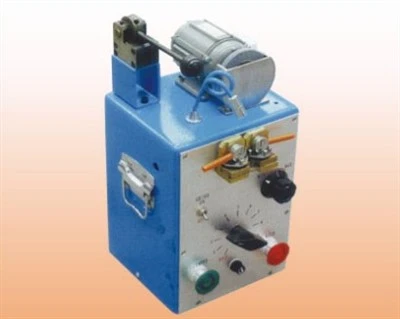
If you’re a fleet manager, plant supervisor, or equipment operator who needs reliable auxiliary machinery parts, replacements, or maintenance support—let’s talk. I’ve got the parts, the know-how, and the experience to make sure your systems run without hiccups. No pushy sales talk, just straight answers about what your setup needs to stay on track.
Waste Recycling Machine References:
- International Maritime Organization. (2021). MARPOL Annex VI: Regulations for the Prevention of Air Pollution from Ships.
- American Petroleum Institute. (2022). Standard for Auxiliary Machinery for Oil and Gas Facilities, API 670.
- Occupational Safety and Health Administration. (2023). Guidelines for Auxiliary Machinery Maintenance in Industrial Manufacturing.
- Society of Marine Engineers. (2020). Auxiliary Machinery Performance Standards for Commercial Vessels.
- National Fire Protection Association. (2021). Auxiliary Power Machinery Code for Commercial Buildings, NFPA 110.
Shandong Hongye Machinery Co., Ltd.
Shandong Hongye Machinery Co., Ltd. is one of the most professional auxiliary machinery manufacturers and suppliers in China, featured by quality products and low price. Please rest assured to buy advanced auxiliary machinery in stock here and get quotation from our factory. Also, 1 year warranty is available.
Address: Room 1104, Building No. 2, Haier Yunjie, No. 99 Chongqing South Road, Qingdao, China
E-mail: sales@seavincn.com
WebSite: https://www.sdhymachinery.com/
