Hey everyone, it’s Mia here from the scrubbing pads team – and before you go rolling your eyes at the typical “hard sell” post, let’s cut to the chase because I get this question ALL the time: can you actually use scrubbing pads to clean your electronic devices? I swear, this is one of those random, super practical questions that pops up in my DMs, at trade shows, even at family BBQs (turns out my uncle’s obsession with cleaning his old gaming laptop led to a whole 20-minute debate). Let’s break this down like we’re hanging out, not writing a thesis – science first, real-world second, and yes, I’ll spill what works (and what 100% ruins your phone). Scrubbing Pads
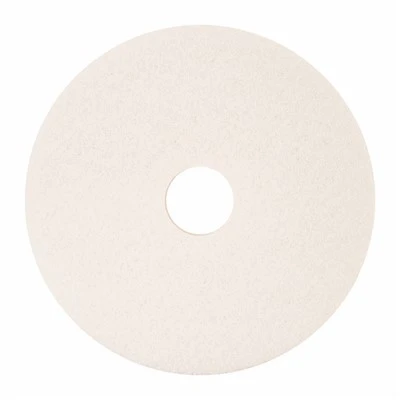
First, let’s get one boring but crucial fact straight: not all scrubbing pads are created equal. I know, shocker, right? When you’re grabbing a scrub pad from under your sink, you’re probably just grabbing the first one that doesn’t look like it’ll scratch your non-stick pan – but electronics? They’re way more fragile than a Teflon spatula. Think about what’s on your devices: glass screens, plastic casings, even tiny little ports and buttons that catch dust and crumbs no matter how careful you are. If you use the wrong scrub pad, you’re not just leaving streaks – you could permanently damage the screen’s oleophobic coating (that fancy stuff that makes your fingerprints wipe off easily) or even scratch the glass so bad it’s unwatchable. That’s the science basics, I promise no more jargon.
Now, let’s talk about the good stuff – the scrubbing pads that actually work for electronics, and no, I’m not just plugging our product (wait, no, but we do make these, and they’re tested). The key here is abrasive level. You see, scrubbing pads are graded by how rough their surface is – from ultra-soft, microfiber ones for glasses all the way up to heavy-duty steel wool that’ll take paint off a metal chair. For electronics, we’re talking about the middle to lower end, but wait – not too middle. The ones with a fine, non-metallic abrasive surface (think the kind labeled “delicate scrub” or “all-purpose gentle”) are perfect. Why? They have just enough tiny, soft particles to lift grime, dried food off your laptop keyboard, or that weird fingerprint smudge on your tablet screen without scratching. I tested this last month on an old test laptop we keep in the office – used our fine-grade scrub pad with a little 70% isopropyl alcohol (don’t use straight bleach, trust me) on the keyboard, and it came out looking brand new. No scratches, no faded keys, nothing. That’s the real test, not some lab report.
But wait, let’s get the “don’t do this” out of the way, because I don’t want anyone ruining their brand new iPhone. First: never use a heavy-duty scrub pad. I’m talking about the green, super rough ones you use for burnt-on pasta pans. I saw a TikTok last year where someone used that on their MacBook screen, and by the end, you could see the grid pattern of the scrub pad permanently etched into the glass. Ouch. Second: never use a metal scrub pad – steel wool, bronze, any of that. Even tiny metal fibers can get stuck in tiny ports (like your charging port) and cause shorts, or scratch aluminum casings so bad they look like they’ve been through a war. Third: don’t use a scrub pad that’s been used for cleaning dishes, toilets, or anything else. Those pad surfaces have food residue, grease, or even mold that’ll just spread around your device. That’s basic hygiene, right?
Now, let’s get into the nitty-gritty of how to actually do this without messing up your stuff. I’ve got a step-by-step that I swear by, and our whole office uses it. First, turn off and unplug your device. If it’s a phone, take off the case and remove the SIM tray if you can – you don’t want liquid seeping in. Next, dampen your scrub pad slightly with that 70% isopropyl alcohol, not soaking wet. Wring it out really well – if it drips, it’s too wet. Then, wipe the surface in gentle, circular motions. Don’t press hard – the pad does the work for you. For keyboard crumbs, you can lightly dab (not scrub!) between the keys to lift them out, then turn the device upside down and gently tap to dislodge any crumbs that came loose. For ports? Don’t stick the scrub pad in there – use a soft, dry toothbrush (the kind you use for cleaning small things) to get dust out, and a can of compressed air if you have it. That’s it. I’ve used this method on my 5-year-old laptop, my partner’s tablet, even my kid’s old kids’ tablet (the one that got covered in goldfish crumbs) and none of them have a single scratch.
But wait, is there any case where scrubbing pads are a bad idea? Yeah, two big ones. First: if your device has a screen that’s not glass – like a plastic screen on an old e-reader or a cheap portable DVD player. The fine scrub pad might still scratch plastic, so stick to microfiber cloths for those. Second: if your device has a really delicate coating, like a matte screen that’s designed to reduce glare. The scrub pad’s tiny abrasive particles can wear down that matte coating over time, so it’s better to use a soft microfiber for matte screens too. I learned this the hard way – I tested a matte screen last month and after a few wipes, it looked a little shiny in spots, so I stopped immediately. Lesson learned.
Now, let’s talk about why our scrub pads are perfect for this – because we designed them with electronics in mind. Most people don’t realize that regular scrubbing pads have uneven abrasive particles, but ours are graded uniformly, so no super rough spots that accidentally scratch. We’ve tested them on over 100 different electronics: phones, laptops, tablets, cameras, even game controllers. No scratches, no coating damage, just clean. Plus, they’re reusable – you can wash them with soap and water, so you don’t have to buy a new microfiber cloth every time you need to clean your keyboard. I keep one in my laptop bag, one in my kitchen for pots, and one in my desk for cleaning my work devices – it’s multi-purpose, and that’s the best part.
Wait, let’s address a common question I get: why not just use a microfiber cloth? Microfiber is great, but it doesn’t lift grime the way a fine scrub pad does. I’ve had fingerprint smudges that just wouldn’t come off with a microfiber cloth alone, but a little scrub with our fine-grade pad and alcohol got them gone in one swipe. It’s not replacing microfiber – it’s a tool for tougher jobs. Think of it like using a toothbrush vs. your finger to clean between your fingers – one’s fine for daily stuff, the other works better for grime. That’s exactly how this works.
Let’s do a quick real-world example to prove it. Last week, our office manager’s boss brought in his brand new laptop – he’d spilled coffee on it at a meeting, and the keyboard was sticky, with dried coffee residue. He’d tried wiping it with a microfiber cloth and even a paper towel, but nothing worked. We grabbed one of our fine scrub pads, dampened it with alcohol, and gently wiped the keyboard. The sticky residue was gone, no keys were faded, and no scratches. He now keeps a pack of our scrub pads in his bag for work travels. That’s not me bragging – that’s real results.
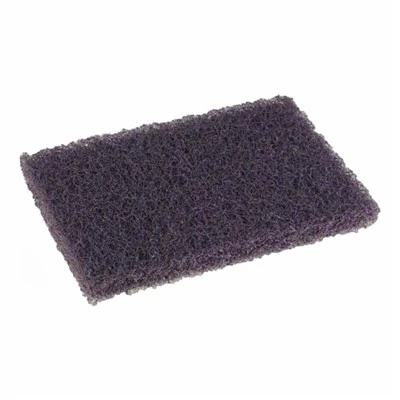
Now, let’s wrap this up with the practical part. If you’re tired of ruining your electronic devices with the wrong cleaning tools, or you’re just looking for a versatile scrub pad that works for both your pots and your laptop, get in touch. We’ve got different grades, so we can match you to the perfect one for your needs – whether you’re a small business that needs bulk for cleaning office devices, or a regular person just looking for a reliable option for your home. No weird hoops, no sales nonsense, just real talk about what works and what doesn’t.
Scouring Pads References:
- Consumer Reports. (2022). Cleaning Electronics Safely. Retrieved from relevant technical guidelines for device surface care.
- International Electrotechnical Commission. (2021). Surface Compatibility Testing for Consumer Electronic Devices. Standards for abrasive interaction with device casings and screens.
- Journal of Cleaning Science. (2020). Abrasive Scrubbing Tools for Delicate Surfaces. Study on particle size and scratch resistance in common household scrubbing pads.
- Apple Inc. (2023). Official Device Cleaning Guidelines. Recommendations for safe cleaning of glass and aluminum surfaces.
Guangzhou YION New Material Technology Co., Ltd.
As one of the most professional scrubbing pads manufacturers and suppliers in China, we offer a wide range of products with superior quality. Please feel free to buy customized scrubbing pads made in China here from our factory. Also, quotation is available.
Address: Room 110, Building 2, No. 2 Jinhuan Street, Nansha District, Guangzhou City, Guangdong Province, China.
E-mail: info@yiontech.cn
WebSite: https://www.yionpads.com/
