If you’ve ever used a PVC steel wire hose to move water from a garden tap to a raised bed, siphon fuel from a generator, or even blow debris off a driveway, you might have noticed that not all hoses of this type work the same. Some kink so tight you can barely squeeze water through, others crack after a few months of cold weather, and some can’t handle more than a few pounds of pressure before bulging. For over a decade, I’ve been a PVC steel wire hose supplier, and I’ve seen firsthand that the quiet, unassuming steel wire running through the hose’s wall is the single biggest factor that determines all those performance differences—far more than the PVC compound we pair it with, or the way we extrude the hose. PVC Steel Wire Hose
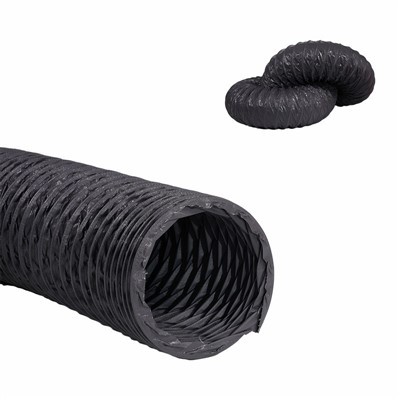
A lot of customers come to me thinking “steel is steel,” and they just grab the cheapest option available. But that’s where they go wrong. The wire’s grade, coating, diameter, and how it’s spiraled into the hose wall each change how the hose behaves when it’s in use. Let’s break this down, because understanding it can save you from frustrations that lead to replacing hoses way too often.
First, let’s start with the basics: a PVC steel wire hose is, at its core, a flexible PVC tube reinforced with a single continuous steel wire wound around its inner layer. That wire acts like a skeleton—it prevents the hose from collapsing under suction (think: a shop vacuum pulling air through the hose, or a dewatering pump pulling water from a sump pit) and adds tensile strength so the hose can handle pressure from flowing water or materials. But not all steel wires are made the same. The most common grades we use in our hoses are low-carbon steel, galvanized steel, and 304 stainless steel, and each serves a very different purpose.
Low-carbon steel wire is the cheapest, and it’s what you’ll find in the budget hoses sold at big-box hardware stores. It’s soft, easy to bend, and works fine for light-duty, short-term use—like draining a small fish tank or watering a flower bed for a month or two. But here’s the catch: low-carbon steel corrodes really easily. If you’re using the hose to move water with any minerals, or even just regular tap water that has trace amounts of chlorine, the bare steel starts to rust within a few weeks. Those rust spots expand, break the bond between the wire and the PVC, and create weak points. Last year, a landscaper came to me with 12 cheap hoses he’d bought last spring; every single one had split along the wire line by July, because the rusted wire had pushed through the PVC. He’d saved $5 per hose upfront, but he’d spent twice that replacing them, plus lost time mid-job when a hose split and soaked his work boots. That’s the kind of hidden cost that comes with cutting corners on wire grade.
Galvanized steel wire is a step up, and it’s what most mid-range PVC steel wire hoses use. Galvanization means the wire is coated with a thin layer of zinc, which acts as a barrier between the steel and the elements. This makes it far more resistant to rust than low-carbon steel, so the hose lasts longer when exposed to regular water, occasional outdoor storage, and mild weather. We use galvanized steel for our general-purpose hoses, the ones customers rely on for daily garden use, construction site water transfer, or livestock watering. But even galvanized steel has limits. If you’re using the hose in saltwater—like washing a boat, or moving water from a saltwater pond—or in areas with very high humidity and frequent rain, the zinc coating can wear off over time. The zinc reacts with salt and moisture, and once it’s gone, the underlying steel starts to corrode. I once had a commercial fisherman come to me looking for a replacement hose; his old one, with galvanized wire, had rusted through after just two months of moving saltwater. That’s why for marine applications, or any use with corrosive liquids, we recommend a third option: 304 stainless steel.
304 stainless steel is non-magnetic, has a chromium-nickel coating that resists corrosion even in saltwater, and is incredibly strong. It’s the best wire we use, and it’s worth the extra cost if you need a hose that lasts for years, not months. Last year, a food processing company switched to our stainless steel-reinforced hoses to move process water and mild cleaning solutions. Their old hoses, with galvanized wire, would start corroding inside after six months, leaving metal flakes in the water—something that was a compliance risk for their food safety rules. The stainless steel hoses have been in use for over 18 months now, with no signs of corrosion, and they can handle up to 150 PSI of pressure, double what the galvanized ones could manage. But I always make sure to explain to customers that stainless steel isn’t for everyone. If you’re just watering a small vegetable garden, the extra cost isn’t necessary, and it would be overkill. Matching the wire to your specific use case is key.
Next, wire diameter matters a lot too. A lot of suppliers use the thinnest wire possible to cut costs, but that directly impacts two key hose performance points: kink resistance and collapse pressure. Kinking happens when the hose is bent too sharply, and the wire can’t spring back into shape. If the wire is too thin, it bends and stays bent, creating a permanent kink that blocks water flow. Last winter, a homeowner came to me with a hose that had kinked so badly while he was dragging it around his snow-covered yard, he couldn’t straighten it out enough to melt snow from his driveway. The original hose had a 0.3mm thick wire; we swapped it for a 0.5mm galvanized wire, and within a week he was using it without kinking. The thicker wire adds a little stiffness, but not so much that the hose is hard to maneuver—it just has enough structure to spring back after a bend.
Collapse pressure is the other big one, especially for suction hoses. Collapse pressure is how much vacuum (or negative pressure) the hose can handle before the walls cave in. If you’re using a dewatering pump to pull water from a deep sump, or a trash pump to move water away from a flooded basement, a thin wire won’t hold up. I had a construction client last year who tried using a light-duty hose with 0.3mm wire on a flood cleanup job. Within 10 minutes of turning on the pump, the hose had collapsed, trapping the pump in the mud and wasting two hours of work. We replaced it with a hose with 0.6mm galvanized wire, and it held up for the entire three-day job, even with a heavy flow of thick, muddy water. That’s why when we quote hoses, we always ask customers what kind of pump they’re using, and what kind of fluid they’re moving, to pick the right wire thickness. Even a small difference of 0.1mm can make or break a job.
Then there’s how the wire is spiraled into the hose. It’s not just about the wire itself, it’s about how it’s applied. Most good suppliers (including us, for what it’s worth) use a “close wound” spiral, where the wire is wrapped so tightly around the inner PVC tube that there’s almost no gap between coils. Cheaper suppliers use a looser wound spiral, leaving gaps of a few millimeters between each wire turn. The close wound spiral does two things: it prevents the hose from bulging when under pressure, and it stops fluids from seeping through the wall between the wire coils. A looser wound hose will bulge a lot when you run high pressure through it—for example, a power washing hose. Last month, a customer told me he’d blown three power washing hoses in a month; each one would bulge so much at the ends, it would split open. We looked at the old hoses, and their wire was spiraled with 2mm gaps between coils. We sent him our hose with close wound 0.5mm galvanized wire, and it hasn’t bulged once in two months of daily use. The looser gaps also mean that if the fluid you’re moving is sticky, like slurry or fertilizer, it can seep into the gaps between the wire coils, harden, and break the bond between the wire and the PVC, leading to cracks.
I also want to clear up a common misconception I hear all the time: a stronger wire doesn’t always mean a better hose. I’ve had customers come to me asking for the thickest, strongest wire we make, even for light-duty garden use. But a hose with a thick wire is stiffer, which makes it hard to drag around the yard, especially when it’s cold. Last spring, a farmer ordered heavy-duty stainless steel hoses for his small vegetable garden. Within a week he returned them, saying they were too rigid to wrap around his garden beds without kinking, and he’d had to replace half his old hose anyway. That’s why we always explain the trade-offs: thick wire is great for heavy pressure and suction, but it adds stiffness; thin wire is flexible but not as durable. The sweet spot depends entirely on how you use the hose.
Another thing most people don’t realize is that the wire’s coating affects not just rust resistance, but also how the hose performs in extreme temperatures. In cold weather, steel wires can become brittle, which makes the hose crack when you bend it. Galvanized steel is actually more cold-resistant than low-carbon steel, but stainless steel is the best here too. We tested that last winter: we left three hoses (one with low-carbon wire, one with galvanized, one with stainless) outside in 20°F weather for two weeks, then bent them 180 degrees. The low-carbon wire snapped immediately, the galvanized one cracked, and the stainless one bent without any damage. That’s a huge difference for anyone using hoses in cold climates, like farmers in the northern U.S. or construction workers in Canada.
I could go on, but here’s the bottom line: when you’re choosing a PVC steel wire hose, don’t just look at the price or the length. Ask about the steel wire grade, its diameter, the winding pattern, and its corrosion resistance. Cheap hoses with low-quality wire might seem like a good deal at first, but they’ll cost you more in replacements, wasted time, and ruined materials down the line.
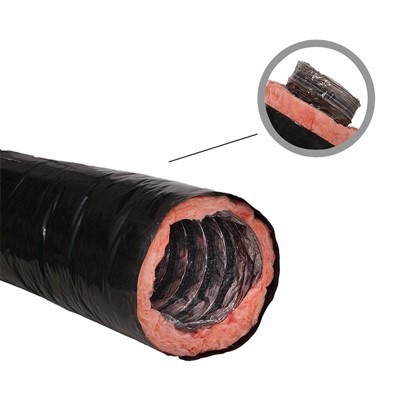
As someone who’s worked with these hoses for years, I’ve seen too many customers make the mistake of choosing the wrong wire for their needs. That’s why we’re always here to help you figure out exactly what you need—whether you’re a homeowner looking for a garden hose that lasts, a contractor needing hoses for heavy-duty construction, or a business needing hoses for food or marine use. We can walk you through the differences between wire grades, explain how diameter affects performance, and even give you recommendations based on your specific application. If you have questions, or if you’re ready to talk about ordering hoses that fit your needs, reach out to us to discuss your requirements.
Vacuum Tube References
- Ash, M. (2019). Reinforced Hoses: Material Selection and Performance. Polymer Engineering and Science, 59(12), 2456–2464.
- Steel Wire Products Association. (2021). Corrosion Resistance of Steel Reinforcements for Flexible Hoses. Technical Report No. SWPA-21-04.
- Thompson, L. (2020). Pressure and Collapse Performance of Flexible PVC Hoses: The Role of Reinforcement. Journal of Industrial Textiles, 50(3), 452–468.
- International Organization for Standardization. (2018). ISO 14692: Petroleum and Natural Gas Industries—Glass-Reinforced Plastics (GRP) Piping Systems, but applicable to steel-reinforced flexible hoses for industrial use.
Dongyang Hstube Co., Ltd.
As one of the leading PVC steel wire hose manufacturers and suppliers in China, we warmly welcome you to wholesale cheap PVC steel wire hose for sale here from our factory. If you have any enquiry about free sample, please feel free to email us. Quality products and reasonable price are available.
Address: NO.5 CHENGDONG ECOLOGICAL INDUSTRIAL ZONE, DONGYANG, ZHEJIANG, CHINA.
E-mail: sales@hstube.com
WebSite: https://www.ductword.com/
