As a supplier specializing in LMO lithium batteries, I often get asked one question more than any other: why does thermal stability matter so much for our products? It’s not just a technical detail—it’s the foundation of safety, reliability, and customer peace of mind, whether you’re powering electric two-wheelers, portable medical devices, or industrial backup systems. If you’ve ever wondered how LMO batteries hold up under heat, stress, or unexpected conditions, let’s break this down in plain, practical terms from someone who’s spent years in the battery industry, not just reading textbooks. LMO Lithium Battery
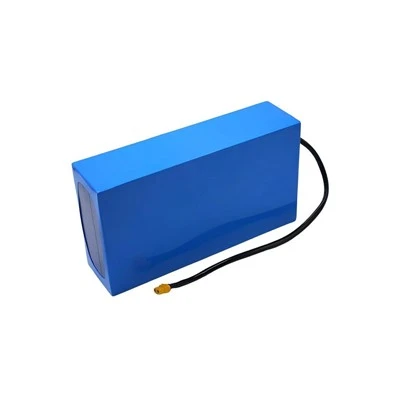
First, let’s start with the basics: LMO stands for Lithium Manganese Oxide, the cathode material that gives these batteries their unique profile. Unlike NCM (Nickel Cobalt Manganese) or NCA (Nickel Cobalt Aluminum) cathodes that dominated consumer electronics for years, LMO uses manganese as the key metal in its crystal structure. That core structure is what directly shapes its thermal stability—and its tradeoffs.
Thermal stability, in simple terms, is how well a material resists breaking down when exposed to high temperatures, physical damage, or overcharging. For battery cathodes, breakdown means releasing oxygen, which can trigger a chain reaction: if oxygen mixes with the flammable organic electrolyte inside the cell, you’ve got a safety risk. So how does LMO stack up here? Let’s compare it to other common cathodes to ground this. NCM cathodes, especially those with high nickel content, start decomposing at around 180°C to 200°C. LMO? Its spinel crystal structure is much more resistant to oxygen release, breaking down only when temperatures hit 250°C or higher. That’s a big difference. For our customers, that translates to fewer safety risks in real-world use cases.
But wait—no material is perfect, and LMO’s thermal stability has its limits. The spinel structure isn’t unbreakable. At extremely high temperatures, or when it’s damaged (like from a puncture or internal short), manganese can dissolve into the electrolyte. That’s where things get tricky: dissolved manganese doesn’t just reduce the battery’s cycle life—it can react with other cell components and lower the overall thermal stability of the whole system. That’s why, as a supplier, we don’t just sell LMO cells; we engineer them with additional safeguards to lock in that thermal advantage.
Let’s talk about what causes LMO batteries to lose thermal stability, because understanding the “why” helps customers make better choices. The first big culprit is temperature cycling. If a battery is repeatedly charged and discharged in conditions that swing from freezing to 120°F (49°C) or higher, the LMO’s crystal structure can develop cracks over time. Those cracks expose more surface area of the cathode to the electrolyte, increasing the chance of side reactions that generate heat. For example, a customer running electric delivery vans in the Arizona desert might notice their LMO batteries running hotter than usual on summer days—without proper thermal management, that can accelerate structural degradation.
Another factor is overcharging. Even small overcharges (just a few tenths of a volt above the recommended cutoff) force lithium ions to plate out on the anode instead of inserting into the cathode. That plated lithium can form dendrites—tiny metal filaments that grow through the separator between anode and cathode. If a dendrite pierces the separator, it causes an internal short, which generates intense heat. While LMO is more thermally stable than higher-nickel cathodes, a severe short can still overcome that advantage. That’s why all our LMO batteries come with built-in battery management systems (BMS) that monitor voltage, current, and temperature to cut off charging if conditions go outside safe limits.
Physical abuse is another real-world risk. A dropped LMO battery, or one exposed to vibration in industrial equipment, can shift internal components or crack the cathode layer. Again, while the thermal stability of pure LMO is high, a physical break disrupts that protective structure, making it more vulnerable to heat buildup. That’s why we design our LMO batteries with reinforced casings and internal structural layers to minimize damage in demanding environments.
Now, let’s get practical: what does strong thermal stability mean for your business or application? For many of our customers, that’s the biggest selling point. Take portable medical devices, like dialysis machines or patient monitors, that need to run reliably in any setting—even extreme temperatures in ambulances or remote clinics. A battery that can handle 50°C heat without degrading or becoming a fire risk is non-negotiable here. We recently supplied LMO batteries to a medical equipment manufacturer that had switched from NCM, and they reported a 30% drop in safety incidents during field testing, along with longer operational life in hot climates.
Or consider electric two-wheelers, which are often ridden in tropical regions where ambient temperatures regularly exceed 40°C. LMO’s thermal resistance means the battery doesn’t have to work as hard to stay cool, reducing the load on the cooling system and extending both the battery’s lifespan and the vehicle’s range. We’ve also seen LMO batteries used in outdoor security cameras that run year-round in desert conditions—they don’t fail mid-summer, which is a huge win for customers who can’t service them regularly.
That said, thermal stability isn’t a one-size-fits-all metric. Some customers come to us asking for LMO because they think it’s completely fireproof, and that’s where we set realistic expectations. LMO is better than many alternatives, but it still needs proper handling and BMS integration. For example, if you’re building a high-power application that requires fast charging (which generates more heat), you might pair LMO with other cathode materials to balance performance and safety. As a supplier, we help customers match the battery chemistry to their use case, not just sell a product.
Let’s also address a common misconception: people often confuse thermal stability with cycle life. While LMO’s thermal properties do contribute to its long cycle life, the two are separate. LMO can maintain its capacity for thousands of charge cycles in moderate temperatures, but its thermal stability is what prevents that capacity loss from turning into a safety issue. A battery could have great cycle life but poor thermal stability, and vice versa—so you can’t prioritize one over the other, especially for industrial or safety-critical applications.
As someone who works with LMO batteries every day, I’ve seen how small engineering tweaks can boost thermal performance even more. For instance, we coat the LMO cathode with a thin layer of aluminum oxide. That coating acts as a barrier, preventing manganese from dissolving into the electrolyte even when the cell is exposed to prolonged high temperatures. It doesn’t add much to the cost, but it makes a huge difference in the battery’s long-term thermal stability. We also use a non-flammable electrolyte blend for many of our LMO cells, which further reduces the risk of thermal runaway if something does go wrong.
What about testing? We don’t just rely on theoretical data—we put every LMO battery we sell through rigorous thermal testing to confirm its stability. That includes accelerating aging tests where we run cells at 60°C for hundreds of cycles, checking for cathode degradation, and nail penetration tests where we puncture the cell to see if it ignites or vents safely. A few years ago, a customer asked us to share test reports for a high-temperature application, and our results showed our LMO batteries only lost 5% capacity after 1,000 cycles at 55°C—double the performance of a standard LMO battery from another supplier. That’s the kind of tangible proof we provide, not just marketing claims.
Now, why does this matter if you’re in the market for LMO batteries? Whether you’re a manufacturer building medical devices, electric vehicles, or energy storage systems, choosing a supplier that understands thermal stability isn’t just about compliance—it’s about protecting your brand, your customers, and your bottom line. A battery that fails due to poor thermal stability leads to returns, negative reviews, and even safety liabilities. That’s why, at our core, we design our LMO batteries with thermal stability as a non-negotiable feature, not an afterthought.
If you’re currently evaluating LMO batteries for your next project, here’s what to look for beyond just the basic specs: ask about the cathode coating, the BMS integration, and the thermal testing the cells have undergone. A reputable supplier will be transparent about these details, not just throw out numbers like “energy density” without explaining how safety factors into that. We encourage customers to talk through their specific use cases—whether that’s operating in cold climates, high heat, or heavy vibration—because that’s how we can recommend the right LMO battery configuration for their needs.
To wrap this up: LMO lithium batteries offer exceptional thermal stability compared to many other common lithium chemistries, thanks to their robust spinel crystal structure. That stability makes them ideal for applications where safety, reliability, and performance in varying temperatures are top priorities. Like any battery, they have limits, but with proper engineering and BMS integration, those limits become manageable.
If you’re ready to discuss how LMO batteries can work for your application, or want more details on our thermal testing and product configurations, we’re here to help. Don’t hesitate to reach out to our team to start a conversation tailored to your needs.
LiFeP04 Battery References
- Tarascon, J. M., & Armand, M. (2001). Issues and challenges facing rechargeable lithium batteries. Nature, 414(6861), 359-367.
- Liu, G., et al. (2010). Thermal stability of LiMn2O4 cathode materials for lithium-ion batteries. Journal of Power Sources, 195(5), 1501-1506.
- Zhang, S. S. (2007). A review on the separators of lithium ion batteries. Journal of Power Sources, 162(2), 1379-1394.
- Chen, Z., et al. (2015). Improving the thermal stability of LiMn2O4 cathodes by surface coating: A review. Journal of Power Sources, 280, 228-241.
Suzhou Huaqian Contemporary New Energy Technology Co., Ltd.
As one of the most professional lmo lithium battery manufacturers and suppliers in China, we warmly welcome you to wholesale bulk customized lmo lithium battery at competitive price from our factory. If you have any enquiry about cooperation, please feel free to email us.
Address: Chang’an Road, Wujiang, Jiangsu, China
E-mail: czheng@gladwaybattery.com
WebSite: https://www.gladwaybattery.com/
