If you’ve ever worked in a factory, a warehouse, or even a commercial printing shop, you’ve probably seen a conveying table in action—those long, flat surfaces that move parts from one station to another like it’s no big deal. But here’s the thing: not all conveying tables are created equal. I’ve been selling parts for conveying and straightening tables for over 7 years now, and the question I get asked more than any other is: “What’s the actual difference between powered and non-powered conveying table parts?” Most folks think it’s just “one has a motor, one doesn’t,” but trust me, that’s the surface-level answer. There’s a lot more going on under the hood, and picking the wrong part for your setup can slow you down more than you’d think. Conveying and Straightening Table Parts
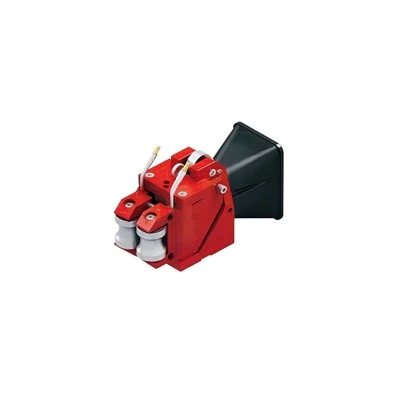
Let’s start with the basics, but keep it real. Non-powered parts (sometimes people call them “gravity-fed” parts, which makes sense) are the no-motor ones. Think: simple rollers, slats, or even flat metal plates that just sit there. They work because of gravity—you put a part on the table, and if it’s angled right, it rolls or slides to where it needs to go. I remember a guy who runs a small metal stamping shop came to me last year, all frustrated because he’d bought cheap non-powered rollers, and his small steel blanks were sticking every few feet. Turns out the rollers were too tight, and the table wasn’t angled enough. That’s the thing about non-powered parts: they’re cheap upfront, but they rely totally on the angle, the weight of the parts, and how smooth the surface is. They’re great for light stuff—like small paper parts for printers, or tiny plastic components that weigh a few ounces. But if you’re moving something heavy, or parts that don’t have a consistent shape? Non-powered parts will just jam. I’ve had customers swap out non-powered parts for powered ones after they started moving larger metal brackets, and they said their downtime dropped by 40% almost overnight.
Now powered parts—these are the ones with motors, drives, and sometimes even controls. When you order a powered roller or a powered slat from us, it’s not just a piece of metal with a wheel on it. There’s a little motor tucked inside (or mounted on the side) that spins the roller at a consistent speed, no matter how much the part weighs. You can adjust the speed, stop parts exactly where you need them, and even sync multiple powered tables together so a part moves seamlessly from one station to the next. Last month, a customer in the automotive parts industry called me panicking because their non-powered table couldn’t keep up with their assembly line. They were doing 80 parts an hour, and the non-powered rollers would let parts bunch up, causing backups. Swapping out just the last 10 feet of non-powered rollers for powered ones fixed that—now parts move at the exact same speed as the line, no backups.
But here’s where it gets interesting, and where I see a lot of mistakes. It’s not all “powered = better, non-powered = garbage.” It’s about your specific use case. Let’s break down the key differences that matter when you’re picking parts, not just the “has a motor” thing.
First up: speed and consistency. Non-powered parts are all about gravity, so their speed depends on how steep the table is, the friction between the part and the surface, and the part’s weight. A small plastic part might zip along at 10 feet per minute, while a heavy metal part might crawl at 2 feet per minute if the angle’s too low. Powered parts? They move at a set, consistent speed—you can dial it in to match your line, whether that’s 5 feet per minute for delicate parts or 30 feet per minute for something faster. I had a customer who works with glass panels a few years back—they tried non-powered because it was cheap, but the glass would slide too fast and crack on the end stops. Swapping to powered rollers, set to 4 feet per minute, meant no more cracked glass, and they didn’t have to hire a guy to stand there slowing down parts with a stick (yep, that actually happened).
Next: weight capacity. This is a big one. Non-powered parts have a hard time with anything over 50 pounds, usually. If you put a 100-pound engine part on a non-powered roller, either the roller will bend, or it won’t move at all—gravity can’t pull that weight fast enough. Powered parts, though, are built to handle way more. Our powered rollers can handle up to 200 pounds each, and you can run multiple in a line to move even heavier stuff. I had a guy moving lawn mower engines a while back—non-powered parts kept breaking because the engines were too heavy. Swapping to powered parts meant he could move 300-pound engines with zero issues, no bending, no jams.
Then there’s control and flexibility. Non-powered parts are, well, static. You can’t adjust the speed, you can’t stop a specific part exactly where you need it, and if you need to change the production run (say, switch from small parts to big ones), you have to mess with the table angle, which is a total pain. Powered parts? You can connect them to your line’s control system, so parts stop at inspection stations, move to packaging on cue, and even sort parts by size if you set the controls right. A food packaging customer I work with uses powered parts for their cookie dough trays—they need the trays to stop at the oven station for exactly 2 minutes before moving on. Non-powered would never be able to do that; gravity can’t hold a tray in place for a set amount of time.
But wait—don’t write off non-powered parts entirely. They have their place, and honestly, a lot of businesses don’t need powered parts. Non-powered parts are way cheaper upfront. A set of 10 non-powered rollers might cost $500, while the same number of powered rollers are $1,500. If you’re running a small setup with light, small parts, or you only use the conveying table for occasional use, non-powered is totally fine. Also, non-powered parts are way easier to maintain—no motors to fix, no wiring to check, just wipe them down every once in a while. I had a small electronics shop that used non-powered tables for their tiny circuit boards, and they never had issues. They only used powered parts when they expanded to moving larger circuit boards for medical devices.
Now, let’s talk about when you should pick which, because that’s what really matters. Let’s say you’re running a home office setup, moving small paper parts for a print shop, or small plastic components that weigh under 50 pounds, and you don’t need precise control. Go non-powered. It’s cheap, simple, works great. But if you’re moving parts over 50 pounds, need consistent speed to match an assembly line, need parts to stop at specific stations, or you’re moving fragile stuff that can’t go too fast? Powered parts are the way to go.
I see a lot of customers make the mistake of buying the cheapest parts they can find, no matter what they need. Last year, a guy bought non-powered parts for his metal stamping line, where he moves 3-pound steel brackets at 70 parts per hour. The brackets were twisting and jamming because they weren’t moving at the same speed, and his downtime went up 30% because he was unjamming them all day. He ended up having to replace those non-powered parts with powered ones, costing him twice as much as if he’d just gotten the right parts the first time.
Another thing to consider: maintenance. Powered parts do need a bit more upkeep—you have to lubricate the motors, check the wiring, make sure the speed controls are working. But modern powered parts are built to last, and if you get them from a reputable supplier (cough, that’s us), they come with a 1-year warranty, and we stock all the replacement parts if something does go wrong. Non-powered parts? Low maintenance, but they wear out faster if you’re using them for heavy stuff—rollers can bend, slats can break, and you have to replace them more often than powered parts in high-use setups.
Wait, let’s throw in a real example I worked on a few months back. A local warehouse that stores and ships small appliances. They had a non-powered conveying table that moved mini fridges (which weigh about 60 pounds each) from the loading dock to the truck. The dock was angled wrong, so the fridges were either rolling too fast and slamming into the truck, or getting stuck halfway. They tried adjusting the angle, but that only worked for a day. We swapped out the last 20 feet of non-powered rollers for powered ones, set to a slow, consistent speed, and added small stops every 5 feet. Now the fridges move smoothly, no slamming, no jams, and their loading time dropped by 25%. They said it was one of the best upgrades they’ve made all year.
I think the biggest takeaway here is that it’s not about which is “better”—it’s about matching the parts to your specific operation. A lot of people get caught up in thinking powered is fancy, so they buy it even when they don’t need it, wasting money. Others stick with non-powered when it’s going to cause more headaches down the line. That’s where we come in—we don’t just sell parts; we ask you questions: what are you moving? How much do the parts weigh? What speed do you need? Do you need to stop parts at stations? Then we help you pick the right parts, not just the most expensive or the cheapest.
If you’re currently dealing with jamming, slow production, or parts that don’t move the way they need to, you’re probably dealing with the wrong conveying table parts. Maybe you’ve got non-powered parts where you need powered, or vice versa. The good news is, swapping out parts doesn’t have to be a huge, expensive overhaul. Sometimes just changing a few feet of rollers makes all the difference.

Whether you’re setting up a new line or upgrading an old one, you don’t have to figure this out alone. I’ve helped hundreds of customers sort through powered vs. non-powered parts, and I can help you too. We carry all kinds of conveying and straightening table parts, from basic non-powered rollers to high-torque powered slats, and everything in between. If you’re tired of downtime, parts getting stuck, or spending too much on parts that don’t work, reach out to us to talk through your needs. We’ll give you honest advice, no sales pitch, just what you actually need to keep your line running smooth.
Mill and Mill Auxiliary Parts References:
- Material Handling Industry of America. Conveying Equipment Selection Guide, 2021.
- Robbins, J. Industrial Conveying: Practical Applications and Maintenance, 3rd Edition. 2019.
- Automotive Manufacturing Association. Assembly Line Conveying Best Practices, 2022.
- Food and Drug Administration. Guidelines for Material Handling Equipment in Food Production Facilities, 2020.
Jingjiang Jingyi Metallurgical Technology Co., Ltd.
With abundant experience, we are one of the most reliable conveying and straightening table parts manufacturers and suppliers in China. We warmly welcome you to wholesale customized conveying and straightening table parts made in China here from our factory. If you have any enquiry about quotation, please feel free to email us.
Address: No.5 Jianghe Road, Xinqiao Town, Jingjiang City, Jiangsu Province
E-mail: Lcbin1974@163.com
WebSite: https://www.jymetallurgical.com/
