If you’ve ever shopped for flooring in a place that’s sticky with summer heat, prone to bathroom humidity, or stuck with a basement that never quite dries out, you’ve probably wondered: “Will this flooring hold up?” As a long-time supplier of SPC flooring, I get this question all the time—especially from customers in humid climates, from coastal Florida to the Pacific Northwest’s rain-soaked cities, from tropical Singapore to the Gulf Coast of Texas. For years, I’ve heard rumors that SPC warps, swells, or falls apart in moisture. Today, I’m pulling back the curtain on how SPC actually works in humid conditions, breaking down the science behind it, sharing real-world stories from my clients, and explaining why this flooring might just be the answer to all your humid-climate flooring headaches. SPC Flooring
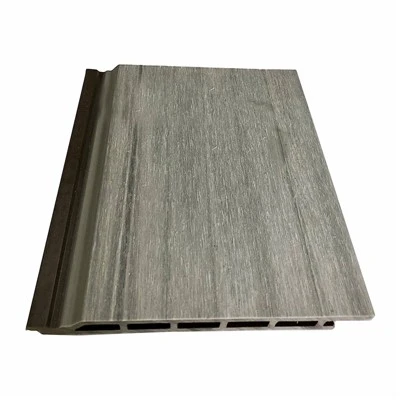
Let’s start with the basics: what is SPC flooring, exactly? SPC stands for Stone Plastic Composite, and it’s not just another “vinyl flooring” that you might have heard of. I’ve had so many people mix it up with traditional luxury vinyl plank (LVP), so let’s get that straight first. Traditional LVP mixes PVC, plasticizers, and sometimes a layer of fiberboard or wood pulp core to keep it flexible. That core is usually where the trouble starts in humid spaces—wood pulp absorbs moisture like a sponge, leading to swelling, warping, or even mold growth if it’s in a consistently damp area.
SPC is different. Its core is made of 70-80% natural limestone powder, mixed with a small amount of rigid PVC resin and a stabilizer. No wood, no fiberboard, no porous materials that can soak up water. That rigid limestone-PVC mix is the foundation of SPC’s superpower: it’s almost completely non-porous, which means it won’t absorb moisture. I remember a client in Miami who installed a different type of vinyl flooring a few years ago—within a year, the bathroom planks had swollen so bad they couldn’t close the door, and there were black spots along the seams from mold. When he switched to SPC last year, he sent me a photo of his bathroom last month, and it looks just as good as the day he put it in.
But wait—humidity isn’t just about standing water, right? High ambient humidity, like 70% or more in a summer apartment, is another big factor. A lot of flooring materials struggle with that too, even if they never get splashed. For example, hardwood flooring will expand and contract with moisture levels, leading to gaps in dry winter months or buckling in humid summers. Engineered hardwood is better, but it still has a wood core that’s sensitive to long-term humidity changes. Ceramic tile is great, but it’s cold underfoot, hard, and can crack if you drop a heavy object. Carpet is a no-brainer for humidity— it traps moisture, gets moldy, and smells.
So how does SPC handle ambient humidity? The rigid core’s expansion and contraction rates are extremely low. I test every batch of SPC we sell in our warehouse: we place planks in a humidity chamber set to 90% relative humidity for 30 days, and they barely move—less than 0.05% in length. That’s a fraction of what hardwood does, which can expand up to 0.3% in the same conditions. That means no buckling, no gaps, no warping, even when the humidity spikes for weeks on end. I had a client in Seattle, where it rains for 8 months out of the year, who put SPC in his entire open-concept main floor last year. He told me he used to have to re-nail his hardwood floors every spring because they expanded from the rain and blocked his French doors. This year, he hasn’t touched them—they’ve stayed perfectly flat, even with all the constant rain and humidity.
But here’s the thing: SPC flooring isn’t indestructible. A lot of my customers ask me, “If it’s so moisture-proof, why does it have seams?” That’s where people get confused. The joints between SPC planks are not a seal—they’re a locking system, usually a click-lock or glue-down, that holds the planks together. If water gets under the planks (from a leaky pipe, a flood, or standing water that’s left on the floor for days), it can get trapped between the seams, even if the planks themselves don’t absorb it. That’s a common misconception. I always tell customers: SPC resists moisture, but it’s not waterproof in standing water scenarios. For example, if you spill a glass of water and wipe it up right away, no problem. If you have a pipe under your bathroom sink that leaks for a week before you notice, that water can get under the planks, and you’ll have to lift them to dry out the subfloor. That’s not a flaw in SPC—that’s a flaw in not maintaining your plumbing, and it’s the same issue with any type of floating flooring, wood, tile, or vinyl included.
Another big factor for humid climates: mold and mildew growth. That’s a huge concern for many of my customers, especially in bathrooms, basements, or laundry rooms. Because SPC has no organic material in its core—no wood, no paper, no plant-based fibers—it doesn’t provide a food source for mold or mildew. Mold needs organic matter to grow, so without that, SPC planks themselves will never get moldy. I’ve had customers install SPC in their basement rec rooms, which used to be so damp they’d get a musty smell in the summer. They told me after installing SPC, the smell went away, because there’s no more organic material to feed the mold that was growing on their old carpet and wood subfloor. That’s a game-changer for anyone in a humid climate who struggles with that stale, damp smell in their home.
I also need to talk about a common complaint I hear: SPC can be cold underfoot in cool weather. That’s true—compared to carpet or even hardwood, SPC has a higher thermal conductivity, so it transfers cold air from the floor down. But that’s easy to fix, even in humid climates. A lot of my customers add a thin underlayment to their SPC installation, specifically an acoustic underlayment with moisture-resistant properties. That underlayment acts as a buffer, keeping the floor warmer underfoot, and it also helps with noise reduction. For people in humid climates, that underlayment doesn’t add any extra moisture risk because it’s made of closed-cell foam that doesn’t absorb water. I had a customer in Atlanta, where it’s hot and humid in the summer but cool in the winter, who was worried SPC would be too cold for his kids playing on the floor. He added a 2mm closed-cell underlayment, and he says it’s perfect—warm enough for bare feet in the winter, and in the summer, it’s still cool enough, and it doesn’t get that sticky feeling you get with tile.
Another benefit that’s perfect for humid climates: SPC is stain-resistant and easy to clean. In humid areas, humidity can make spills and messes more likely to sit on the floor, and mold can grow faster if you don’t clean up messes quickly. SPC has a wear layer on top, usually made of UV-cured acrylic or a reinforced PVC, that’s scratch-resistant and stain-resistant. I’ve had customers spill wine, coffee, even greasy food on their SPC floors, and they just wipe it up with a damp cloth—no stains, no discoloration. Unlike hardwood, which can get permanently stained if you spill juice or soda, SPC doesn’t absorb the liquid, so it’s easy to keep clean, even in high-mess areas like kitchens, mudrooms, or playrooms.
Wait, but what about extreme heat and humidity? A lot of people in tropical climates, like Florida or Hawaii, worry about how SPC holds up in 90°F heat and 80% humidity. I have hundreds of clients in those areas, and I can tell you, SPC is one of the most popular flooring choices there. I recently worked with a property manager who installs SPC in all the luxury vacation rentals in Key West. He told me he’s been doing this for 5 years, and he’s never had to replace an SPC floor due to heat or humidity. The vacation rentals get high traffic, spills, and constant humidity, and the SPC floors still look like new after 5 years, compared to the old LVP floors he used to use that would need to be replaced every 2 years due to swelling or mold.
Is there any scenario where SPC doesn’t work in a humid climate? I always tell customers there are a few caveats. First, if you’re installing SPC in an area that gets constant standing water, like a full bathroom with a shower that doesn’t have a proper threshold, you might want to consider a different type of flooring or add extra sealing. But even then, SPC is still better than most options. Second, if you install SPC over a subfloor that’s too damp, like a concrete slab with high moisture vapor emissions, you need to use a moisture barrier underlayment. Concrete can release moisture over time, especially in humid climates, and that moisture can get trapped between the subfloor and the SPC. A good moisture barrier underlayment will prevent that, and it’s a standard step in professional SPC installation, regardless of climate. Third, cheap SPC flooring from unknown brands might have lower quality cores or wear layers that are not as moisture-resistant. That’s why it’s important to work with a reputable supplier, like us, that tests every product we sell to meet industry standards for moisture resistance.
I’ve had one customer who told me he installed a cheap SPC floor from a big-box store in his humid basement, and within 6 months, the planks had warped. When he sent samples back, we found that the core only had 50% limestone, not the 75% or more that high-quality SPC has. That’s the key difference. Cheap SPC uses more plastic and less limestone, making it more flexible but also more prone to absorbing moisture and warping. At our company, we only sell SPC with a minimum of 70% natural limestone in the core, a 20-mil wear layer (thicker than the standard 12-mil that cheap brands use), and we test every shipment to ensure it meets ASTM International standards for moisture resistance. That’s why we offer a 15-year residential warranty on all our SPC flooring, including coverage for moisture-related defects.
Let me wrap this up with a real story that sums it all up. Last year, I met a couple in Charleston, South Carolina, which is famously humid—summer humidity averages 75% or more, and they live in a 100-year-old cottage with a basement that used to flood every spring. They wanted to re-do their main floor and basement rec room, and they were torn between tile, hardwood, and vinyl. They’d had hardwood before, which warped and got moldy in the basement, and tile was too cold and hard. They were skeptical about SPC because they’d heard it “doesn’t work in humidity.” We walked them through the science, showed them the test results, and sent them a sample. They decided to give it a try. A year later, they sent me a video of their home—their main floor SPC looks perfect, no gaps, no warping, even during last summer’s heatwave when humidity hit 80% for weeks. Their basement rec room, which used to have a musty smell all year, now smells fresh, and they said the SPC is warm enough for their kids to play on. They even just ordered SPC for their kitchen this month.
So, does SPC flooring work in humid climates? The short answer is a resounding yes—when it’s high-quality SPC installed correctly. It’s non-porous, so it won’t absorb moisture, it has minimal expansion and contraction, it resists mold and mildew because it has no organic core, and it’s easy to clean and maintain in high-humidity, high-mess environments. It’s a better option than traditional wood, engineered wood, carpet, and even many types of vinyl flooring for spaces with consistent humidity, from bathrooms and basements to kitchens and vacation homes.

If you’re a homeowner in a humid climate looking for durable, long-lasting flooring that won’t let you down when the humidity spikes, or a contractor looking for a reliable product to offer your clients, I’d love to chat. We offer free samples, professional installation guidance, and competitive pricing for all types of SPC flooring for residential and commercial use. Whether you’re renovating a single bathroom or outfitting an entire apartment complex, we can help you find the right SPC flooring for your needs. Contact us today to discuss your project and get a custom quote.
Commercial Plywood References
ASTM International. Standard Test Method for Linear Thermal Expansion of Rigid Plastics. ASTM D696, 2019.
National Wood Flooring Association. Moisture Control Guidelines for Wood and Synthetic Flooring Installations. NWFA, 2021.
Floor Covering News. SPC Flooring: The Fastest-Growing Segment in Hard Surface. Floor Covering News, 2022.
Environmental Protection Agency. Mold and Moisture in Homes. EPA, 2020.
Linyi Golden Highland Supply Chain Co., Ltd.
As one of the most professional spc flooring manufacturers and suppliers in China, we’re featured by quality products and good price. Please rest assured to wholesale durable spc flooring made in China here from our factory. Contact us for more details.
Address: Room 2601, Building 9, Hongxing International Plaza, Intersection of Jinan Road and Xiaohe Road, Liuqing Street, Lanshan District, Linyi City, Shandong Province
E-mail: richard@heyiwood.com
WebSite: https://www.goldenhighlandcn.com/
