What is the pressure resistance of flange gaskets?
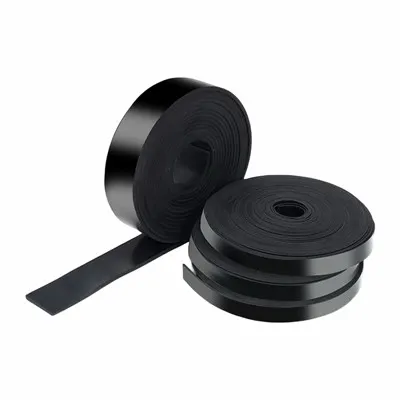
As a seasoned supplier of flange gaskets, I’ve encountered numerous inquiries about the pressure resistance of these crucial components. Flange gaskets play a pivotal role in ensuring the integrity of piping systems by preventing leaks and maintaining a secure seal under various operating conditions. In this blog post, I’ll delve into the concept of pressure resistance in flange gaskets, exploring the factors that influence it and the importance of selecting the right gasket for your specific application. Flange Gasket
Understanding Pressure Resistance
Pressure resistance, in the context of flange gaskets, refers to the ability of a gasket to withstand the internal pressure within a piping system without failing or leaking. It is a critical property that directly impacts the safety and reliability of the system. When a gasket fails to maintain its seal under pressure, it can lead to costly leaks, environmental hazards, and even system shutdowns.
The pressure resistance of a flange gasket is typically measured in pounds per square inch (psi) or megapascals (MPa). This rating indicates the maximum pressure that the gasket can safely handle without experiencing significant deformation or leakage. It’s important to note that the pressure resistance of a gasket is not a fixed value but can vary depending on several factors, including the type of gasket material, the flange design, and the operating conditions.
Factors Affecting Pressure Resistance
Gasket Material
The choice of gasket material is one of the most significant factors influencing pressure resistance. Different materials have varying degrees of flexibility, compressibility, and chemical resistance, which directly affect their ability to withstand pressure. Some common gasket materials and their pressure resistance characteristics include:
- Rubber: Rubber gaskets, such as neoprene, EPDM, and nitrile, are known for their excellent flexibility and sealing properties. They can typically withstand pressures up to 150 psi (1.03 MPa) and are suitable for a wide range of applications, including water, air, and oil systems.
- Fiber: Fiber gaskets, made from materials like asbestos (although its use is now restricted due to health concerns), aramid, and graphite, offer good pressure resistance and chemical compatibility. They can handle pressures up to 1,500 psi (10.34 MPa) and are commonly used in high-pressure applications, such as steam and chemical processing.
- Metal: Metal gaskets, such as spiral wound, ring joint, and flat metal gaskets, are designed to withstand extremely high pressures. They can handle pressures up to 10,000 psi (68.95 MPa) or more and are often used in critical applications, such as oil and gas pipelines and power generation plants.
Flange Design
The design of the flange also plays a crucial role in determining the pressure resistance of the gasket. Flanges come in various shapes and sizes, and their surface finish, bolt pattern, and gasket seating area can all affect the gasket’s ability to seal effectively. For example, a flange with a smooth surface finish and a proper gasket seating area will provide a better seal than a flange with a rough surface or an improper seating area.
In addition, the type of flange connection, such as a raised face, flat face, or ring joint, can also impact the pressure resistance of the gasket. Raised face flanges are the most common type and provide a good seal under moderate pressures. Flat face flanges are typically used in low-pressure applications, while ring joint flanges are designed for high-pressure applications.
Operating Conditions
The operating conditions of the piping system, such as temperature, pressure, and chemical environment, can also affect the pressure resistance of the gasket. For example, high temperatures can cause the gasket material to expand or contract, which can lead to leaks. Similarly, exposure to harsh chemicals can degrade the gasket material and reduce its pressure resistance.
It’s important to select a gasket material that is compatible with the operating conditions of the system. For example, if the system operates at high temperatures, a gasket made from a high-temperature-resistant material, such as graphite or ceramic, may be required. If the system is exposed to harsh chemicals, a gasket made from a chemical-resistant material, such as PTFE or rubber, may be necessary.
Importance of Selecting the Right Gasket
Selecting the right gasket for your specific application is crucial to ensure the safety and reliability of the piping system. A gasket that is not designed to withstand the pressure and operating conditions of the system can lead to leaks, which can cause damage to the system, create environmental hazards, and result in costly downtime.
When selecting a gasket, it’s important to consider the following factors:
- Pressure Rating: The pressure rating of the gasket should be higher than the maximum pressure expected in the system. This ensures that the gasket can withstand the pressure without failing or leaking.
- Temperature Rating: The temperature rating of the gasket should be compatible with the operating temperature of the system. This ensures that the gasket can maintain its integrity and sealing properties at the required temperature.
- Chemical Compatibility: The gasket material should be compatible with the chemicals present in the system. This ensures that the gasket will not be degraded by the chemicals and will maintain its sealing properties over time.
- Flange Design: The gasket should be designed to fit the flange properly and provide a good seal. This ensures that the gasket will not leak and will maintain its integrity under pressure.
Conclusion
In conclusion, the pressure resistance of flange gaskets is a critical property that directly impacts the safety and reliability of piping systems. Understanding the factors that influence pressure resistance, such as gasket material, flange design, and operating conditions, is essential for selecting the right gasket for your specific application. By choosing a gasket that is designed to withstand the pressure and operating conditions of the system, you can ensure the integrity of the system and prevent costly leaks and downtime.
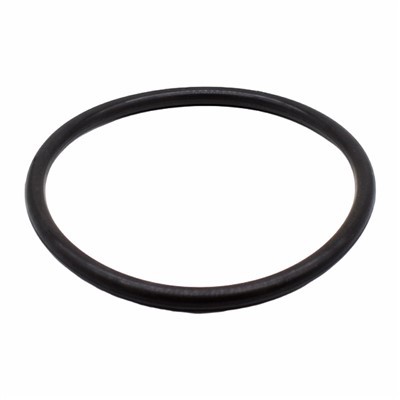
Polyurethane O Ring If you’re in need of high-quality flange gaskets with excellent pressure resistance, I encourage you to reach out to me for a consultation. I have extensive experience in the industry and can help you select the right gasket for your specific application. Don’t hesitate to contact me to discuss your requirements and explore the best solutions for your piping system.
References
- ASME B16.20 – Metallic Gaskets for Pipe Flanges: Ring-Joint, Spiral-Wound, and Jacketed
- ASTM F312 – Standard Specification for Nonmetallic Flat Gaskets for Use with Pipe Flanges
- DIN 2690 – Gaskets for Flanges – Materials and Application
- ISO 7483 – Gaskets for Pipe Flanges – Dimensions
- API 601 – Metallic Gaskets for Pipe Flanges
Haining Chaoyue Seals Co., Ltd.
As one of the most professional flange gasket manufacturers and suppliers in China, we offer a wide range of products with superior quality. Please feel free to wholesale high quality flange gasket made in China here from our factory. Also, custom service is available.
Address: Building 9, 158 Lianhong Road, Yuanhua Town, Jiaxing, Zhejiang, China.
E-mail: chaoyue@cyseals.com
WebSite: https://www.hncyseal.com/
