Polyvinyl chloride (PVC) conveyor belts have become a popular choice in various industries due to their versatility, cost – effectiveness, and ease of maintenance. As a PVC conveyor belt supplier, I often get asked whether PVC conveyor belts are suitable for lightweight or heavy – weight loads. In this blog post, I will delve into the characteristics of PVC conveyor belts and analyze their suitability for different load types. PVC Conveyor Belt
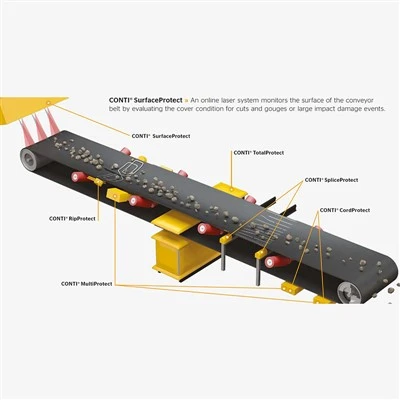
Understanding PVC Conveyor Belts
PVC conveyor belts are made from polyvinyl chloride, a synthetic plastic polymer. They are known for their smooth surface, which is beneficial for transporting a wide range of products. These belts are available in different thicknesses, widths, and configurations to meet the diverse needs of industries.
One of the key advantages of PVC conveyor belts is their resistance to chemicals, oils, and moisture. This makes them suitable for applications in food processing, packaging, and pharmaceutical industries, where hygiene and product integrity are crucial. Additionally, PVC belts are relatively easy to clean and maintain, reducing downtime and operational costs.
Suitability for Lightweight Loads
Advantages
PVC conveyor belts are an excellent choice for lightweight loads. Their smooth surface allows for gentle handling of products, such as small electronic components, food items, and pharmaceutical products. The low friction coefficient of PVC belts ensures that lightweight items can be transported without damage or jamming.
In industries where precision and accuracy are important, PVC conveyor belts offer high – speed operation and precise positioning. For example, in the electronics industry, where delicate circuit boards need to be moved along an assembly line, PVC belts can provide a stable and reliable transport solution.
Moreover, PVC belts are relatively flexible, which means they can be easily adapted to different conveyor system layouts. This makes them ideal for applications in small – scale factories or warehouses with limited space.
Considerations
When dealing with lightweight loads, the thickness of the PVC belt should be carefully considered. A thinner belt may be sufficient for very light items, as it can reduce the overall weight of the conveyor system and save energy. However, it is important to ensure that the belt has enough strength to withstand the tension and stress during operation.
Suitability for Heavy – weight Loads
Advantages
Contrary to popular belief, PVC conveyor belts can also be used for heavy – weight loads in certain applications. With the development of advanced manufacturing techniques, PVC belts can be reinforced with high – strength materials such as polyester or nylon cords. These reinforced belts can withstand significant tensile forces and are capable of transporting heavy items like large boxes, industrial parts, and construction materials.
PVC belts with a high – abrasion – resistant coating are suitable for heavy – duty applications where the load may cause wear and tear on the belt surface. This not only extends the service life of the belt but also reduces the frequency of belt replacement, resulting in cost savings for the user.
In addition, PVC belts can be designed with special profiles or cleats to prevent heavy loads from slipping during transportation. This is particularly useful in inclined or vertical conveyor systems.
Challenges
However, there are some challenges when using PVC conveyor belts for heavy – weight loads. One of the main issues is heat generation. When a heavy load is transported at high speeds, the friction between the belt and the conveyor components can cause the temperature of the belt to rise. If the temperature exceeds the maximum operating temperature of the PVC belt, it may lead to belt deformation, reduced strength, and even premature failure.
Another challenge is the limited load – bearing capacity compared to some other types of conveyor belts, such as steel – cord belts. Therefore, for extremely heavy loads or continuous high – intensity operations, careful evaluation of the belt’s specifications and performance is required.
Case Studies
Lightweight Load Case
A confectionery factory was looking for a conveyor solution to transport its delicate chocolate bars. They initially used a traditional rubber belt, but the rough surface of the rubber caused damage to the chocolate coating. After switching to a PVC conveyor belt, the smooth surface of the PVC belt ensured gentle handling of the chocolate bars, reducing product waste and improving overall production efficiency. The factory also found that the PVC belt was easier to clean, which was essential for maintaining food safety standards.
Heavy – weight Load Case
A building materials company needed to transport large concrete blocks within its warehouse. They installed a PVC conveyor belt reinforced with polyester cords. The belt was designed with cleats to prevent the concrete blocks from slipping. The high – abrasion – resistant coating on the belt surface ensured that it could withstand the rough surface of the concrete blocks. Over a period of several months, the PVC conveyor belt performed well, with minimal maintenance requirements and no significant signs of wear.
Factors to Consider When Choosing a PVC Conveyor Belt for Different Loads
Load Weight and Size
The first factor to consider is the weight and size of the load. For lightweight loads, a thinner and more flexible PVC belt may be sufficient. For heavy – weight loads, a reinforced belt with a higher load – bearing capacity should be selected.
Conveyor System Layout
The layout of the conveyor system, including the length, width, inclination, and number of curves, also affects the choice of the PVC belt. For example, in a long – distance conveyor system, a belt with high – strength reinforcement may be required to withstand the tension. In an inclined conveyor system, a belt with cleats or a special profile may be necessary to prevent the load from slipping.
Operating Environment
The operating environment, such as temperature, humidity, and the presence of chemicals or oils, should also be taken into account. PVC belts have different temperature and chemical resistance ratings. In a high – temperature environment, a heat – resistant PVC belt may be needed. In a chemical – rich environment, a belt with high – chemical resistance should be selected.
Conclusion
In conclusion, PVC conveyor belts can be suitable for both lightweight and heavy – weight loads, but careful consideration is required based on the specific application requirements. For lightweight loads, their smooth surface, flexibility, and ease of maintenance make them an ideal choice. For heavy – weight loads, reinforced PVC belts with high – abrasion – resistant coatings can provide a reliable and cost – effective solution, although challenges such as heat generation need to be addressed.
As a PVC conveyor belt supplier, I am committed to providing high – quality products that meet the diverse needs of our customers. Whether you are dealing with lightweight or heavy – weight loads, our team of experts can help you select the most suitable PVC conveyor belt for your application. We offer a wide range of PVC belts with different specifications and features, and we can also customize belts according to your specific requirements.
Self Cleaning Conveyor Belt If you are interested in learning more about our PVC conveyor belts or would like to discuss your specific needs, please feel free to contact us. We look forward to the opportunity to work with you and provide you with the best conveyor belt solutions for your business.
References
- "Conveyor Belt Technology Handbook", published by a leading industry research institute.
- "Materials Science for Conveyor Systems", a well – known academic publication in the field of materials engineering.
Alumina Technology (Qingdao) New Materials Co., Ltd.
As one of the most professional pvc conveyor belt manufacturers and suppliers in China, we also support customized service. With abundant experience, we warmly welcome you to buy pvc conveyor belt for sale here and get quotation from our factory. For price consultation, contact us.
Address: No.448, Jiangshan South Road, Huangdao District, Qingdao City, Shandong Province
E-mail: Gloria.zhang@contitech.cn
WebSite: https://www.altechconveyorbelt.com/
