As a seasoned forklift battery supplier deeply entrenched in the industry, I’ve witnessed firsthand the transformative impact of fast – charging technology on the material handling sector. Fast charging has emerged as a game – changer, promising to revolutionize how forklifts operate, but it also brings with it a set of challenges that cannot be overlooked. In this blog, I’ll delve into the pros and cons of fast charging a forklift battery, providing a balanced perspective for those considering this technology for their operations. Forklift Battery

The Pros of Fast Charging Forklift Batteries
1. Enhanced Productivity
One of the most significant advantages of fast charging forklift batteries is the substantial boost in productivity it offers. Traditional forklift battery charging methods can take several hours, often requiring operators to leave their forklifts idle for extended periods. With fast – charging technology, batteries can reach a significant charge level in a fraction of the time. For example, a typical lead – acid battery might take 8 hours to fully charge using a standard charger, while a fast – charging system can achieve an 80% charge in as little as 1 – 2 hours.
This rapid charging capability allows forklift operators to spend more time on the job and less time waiting for their batteries to charge. In high – volume warehouses or distribution centers where every minute counts, this can translate into a substantial increase in the number of loads moved per day, ultimately leading to higher throughput and increased profitability.
2. Reduced Downtime
Downtime is a major headache for any business that relies on forklifts. Unplanned battery failures or long charging times can bring operations to a halt, resulting in lost revenue and missed deadlines. Fast charging helps mitigate this issue by minimizing the time the forklift is out of commission.
For businesses that operate multiple shifts, fast – charging technology can be a game – changer. Operators can quickly top up the battery during short breaks or shift changes, ensuring that the forklift is always ready for use. This not only reduces the need for spare batteries but also eliminates the hassle of swapping batteries between shifts, streamlining operations and increasing overall efficiency.
3. Cost Savings in the Long Run
Although fast – charging systems typically have a higher upfront cost compared to traditional charging methods, they can result in significant cost savings over time. Since fast – charging reduces the need for multiple batteries, businesses can save on the initial investment in battery procurement. Additionally, fewer batteries mean lower maintenance costs, as there are fewer batteries to monitor, test, and replace.
Moreover, the increased productivity and reduced downtime associated with fast charging can lead to cost savings in terms of labor and operational efficiency. Forklifts can handle more loads in less time, reducing the need for additional equipment and labor, which can translate into substantial savings for the business.
4. Flexibility in Operations
Fast charging provides businesses with greater flexibility in their operations. Forklifts can be charged at various intervals throughout the day, depending on the workload and operational requirements. This means that businesses can adapt to changing demand without having to worry about long charging times or battery availability.
For example, if there is a sudden surge in orders, forklift operators can quickly charge the batteries during a lull in the activity and be back on the job in no time. This flexibility allows businesses to respond more effectively to changing market conditions and customer demands, giving them a competitive edge in the marketplace.
The Cons of Fast Charging Forklift Batteries
1. Higher Upfront Cost
As mentioned earlier, fast – charging systems come with a higher upfront cost compared to traditional charging methods. The cost of purchasing and installing a fast – charging infrastructure can be significant, especially for small and medium – sized businesses. In addition to the cost of the charger itself, there may be additional costs associated with electrical upgrades to support the high – power charging requirements.
For businesses on a tight budget, the initial investment in fast – charging technology may be prohibitive. However, it’s important to consider the long – term cost savings and productivity benefits that fast charging can offer when evaluating the financial feasibility of this technology.
2. Impact on Battery Life
Fast charging can have a negative impact on the life expectancy of forklift batteries. The high – power charging process generates a significant amount of heat, which can accelerate the degradation of the battery’s internal components. Over time, this can lead to a reduction in the battery’s capacity and overall performance, requiring more frequent battery replacements.
To mitigate this issue, it’s essential to use high – quality batteries and charging systems that are specifically designed for fast charging. Additionally, proper battery management practices, such as monitoring the battery temperature during charging and implementing appropriate charging algorithms, can help prolong the battery’s life.
3. Increased Energy Consumption
Fast charging requires a significant amount of electrical power, which can result in increased energy consumption. This can lead to higher electricity bills for businesses, especially if fast charging is used frequently. In some cases, the increased energy consumption may offset the cost savings associated with reduced downtime and increased productivity.
To reduce energy consumption, businesses can consider implementing energy – efficient charging strategies, such as off – peak charging or using renewable energy sources. Additionally, investing in energy – efficient fast – charging systems can help minimize the environmental impact and reduce energy costs.
4. Limited Compatibility
Not all forklift batteries are compatible with fast – charging technology. Some older battery models or batteries with specific chemistries may not be suitable for fast charging, as they may not be able to handle the high – power charging process. This can limit the adoption of fast – charging technology for businesses that have existing fleets of forklifts with incompatible batteries.
Before investing in a fast – charging system, it’s important to ensure that the forklift batteries are compatible with the technology. This may require upgrading or replacing the existing batteries, which can add to the overall cost of implementing fast charging.
Conclusion: Is Fast Charging Right for Your Business?
The decision to adopt fast – charging technology for forklift batteries depends on a variety of factors, including the specific needs of your business, your budget, and your operational requirements. While fast charging offers significant benefits in terms of productivity, reduced downtime, and cost savings in the long run, it also comes with some drawbacks, such as higher upfront costs, potential impact on battery life, increased energy consumption, and limited compatibility.
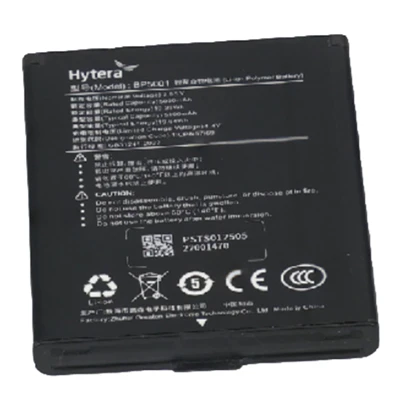
As a forklift battery supplier, I recommend conducting a thorough cost – benefit analysis before making a decision. Consider factors such as the frequency of use, the available charging infrastructure, and the expected lifespan of the batteries. Additionally, consult with an experienced forklift battery professional to determine the best fast – charging solution for your specific needs.
Home Storage Battery If you’re interested in learning more about fast – charging forklift batteries or exploring our range of battery products and solutions, we’d love to hear from you. Our team of experts is available to answer your questions, provide personalized recommendations, and help you make an informed decision for your business. Contact us today to start a discussion about how we can help you optimize your forklift operations with the latest battery technology.
References
- "Forklift Battery Technology: A Comprehensive Guide", Industrial Battery Association
- "The Impact of Fast Charging on Battery Life", Journal of Power Sources
- "Energy – Efficient Charging Strategies for Forklifts", International Journal of Material Handling
Zhuhai Greaton Electronic Technology Co., Ltd.
As one of the most professional forklift battery manufacturers and suppliers in China, we have world-leading production equipment and strong manufacturing capabilities. Please rest assured to wholesale advanced forklift battery in stock here from our factory. Customized orders are welcome.
Address: 2nd Floor, Building A3, No. 6, Liulu, Xinqing Science and Technology Industrial Park, Jing’an Town, Doumen District, Zhuhai City
E-mail: wangchen1@psbattery.cn
WebSite: https://www.cngreaton.com/
