Hey there! I’m a supplier of Lightning Arrester and Insulator Test Equipment. Today, I wanna talk about the grounding requirements for this kind of test equipment. It’s super important because it not only affects the accuracy of the test results but also ensures the safety of the operators and the whole testing process. Lightning Arrester and Insulator Test Equipment
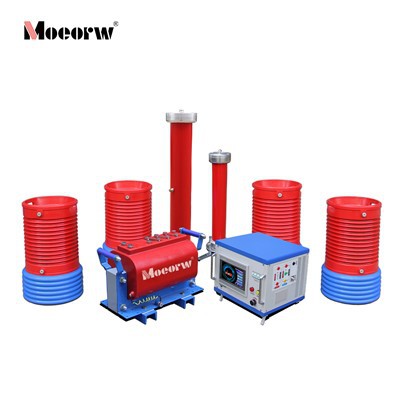
First off, let’s understand why grounding is so crucial. When we’re testing lightning arresters and insulators, we deal with electrical currents and high – voltage situations. A proper ground provides a safe path for electrical faults. If there’s a short – circuit or a sudden surge of electricity during the test, the ground can prevent the equipment from getting damaged and protect the people working around it. Think of it as a safety net that catches all the unwanted electrical energy.
The grounding for lightning arrester and insulator test equipment has several key aspects.
1. Ground Resistance
One of the most important requirements is the ground resistance. The ground resistance should be as low as possible. For our test equipment, a good rule of thumb is to keep the ground resistance below 10 ohms. This low resistance ensures that when there’s an electrical fault, the current can flow easily into the ground. If the resistance is too high, the fault current might not be able to find its way to the ground effectively. This can cause over – voltages in the equipment, which can lead to damage or even be a safety hazard to the operators.
To measure the ground resistance, we can use a ground resistance tester. It’s a handy tool that can quickly give us an accurate reading of the resistance. If the measured resistance is higher than the acceptable value, we need to take some steps to reduce it. One common way is to add more ground rods. These rods are buried deep in the ground and are connected to the grounding system. The more ground rods we have, the more surface area for the current to disperse, which helps in reducing the resistance. Another method is to use a grounding compound. This compound can improve the conductivity of the soil around the ground rods, thus lowering the overall resistance.
2. Grounding Conductor
The grounding conductor is the wire that connects the test equipment to the ground. It needs to be of the right size and material. The size of the conductor depends on the maximum fault current that the system might experience. A larger fault current requires a thicker conductor. For most of our lightning arrester and insulator test equipment, a conductor with a cross – sectional area of at least 6 mm² is recommended. This ensures that it can handle the fault current without overheating or melting.
As for the material, copper is the most commonly used material for grounding conductors. Copper has excellent electrical conductivity, which means it can carry the fault current to the ground with minimal resistance. It’s also corrosion – resistant, which is important because the conductor is usually buried in the ground or exposed to the environment. If the conductor corrodes, its conductivity will decrease, and it might not be able to perform its grounding function properly.
3. Grounding System Design
The design of the grounding system is also very important. It should be a comprehensive and well – thought – out plan. The grounding system should be connected to all the relevant parts of the test equipment, including the chassis, the control panel, and any other metal components. This ensures that in case of a fault, all the electrical energy can be safely directed to the ground.
We also need to consider the layout of the grounding system. It should be designed in a way that minimizes the risk of interference. For example, the grounding conductors should be kept away from power cables and other sources of electrical noise. If the grounding conductors are too close to these sources, the electrical noise can interfere with the grounding system and affect its performance.
4. Bonding
Bonding is another important part of the grounding requirements. All the metal parts of the test equipment should be bonded together. Bonding means connecting all the metal components with a low – resistance conductor. This ensures that all the metal parts are at the same electrical potential. If there’s a potential difference between the metal parts, it can cause electrical arcing, which can be a fire hazard or damage the equipment.
For example, the enclosure of the test equipment should be bonded to the grounding system. The metal frames of the instruments inside the equipment should also be bonded to the enclosure. This creates a continuous path for the electrical current to flow in case of a fault, and it helps to prevent static electricity buildup, which can also cause problems during the testing process.
5. Regular Inspections
Once the grounding system is installed, it’s not a “set it and forget it” thing. We need to conduct regular inspections to make sure that the grounding requirements are still being met. Over time, the ground rods might corrode, the conductors might break, or the connections might become loose. These issues can increase the ground resistance and compromise the safety of the grounding system.
We should inspect the grounding system at least once a year. During the inspection, we need to check the condition of the ground rods, the conductors, and the connections. We also need to measure the ground resistance again to make sure it’s still within the acceptable range. If any problems are found, we should fix them immediately.
Now, I know all this technical stuff might seem a bit overwhelming, but that’s where we come in. As a supplier of Lightning Arrester and Insulator Test Equipment, we not only provide high – quality test equipment but also offer professional advice on grounding requirements. Our team of experts has years of experience in this field, and they can help you design and install a proper grounding system for your test equipment.
If you’re in the market for lightning arrester and insulator test equipment or if you have any questions about grounding requirements, don’t hesitate to reach out. We’re always here to help you make the right choice and ensure the safety and accuracy of your testing process. Whether you’re a small – scale electrical contractor or a large – scale power utility company, we’ve got the solutions for you.

Let’s work together to make your electrical testing operations more efficient and safer. Contact us today to start the conversation and explore how our equipment and expertise can meet your needs.
Dielectric Strength Tester References:
- Electrical Safety Standards Handbook
- Guide to Grounding Systems in Electrical Testing Equipment
Wuhan Moen Intelligent Electric Co., Ltd.
As one of the most professional lightning arrester and insulator test equipment manufacturers in China, we’re featured by quality products and good price. Please rest assured to buy high quality lightning arrester and insulator test equipment in stock here and get quotation from our factory. Customized orders are welcome.
Address: Building A, No.1, Fenghuangyuan 2nd Road, Donghu New Technology Development Zone, Wuhan, Hubei, China
E-mail: info@hvhipotsystem.com
WebSite: https://www.hvhipotsystem.com/
