Hey there, fellow bedding lovers, and especially whoever’s been hovering over fitted sheets lately—wondering if that “eco-friendly” tag actually hits your wallet harder. Full transparency here: I’ve been in the fitted sheet game for going on 8 years, seen every shift in fabric trends, price points, and those viral “green” claims that pop up every few months. So when someone slides into my DMs or stops me at trade shows asking, “Do eco-friendly fitted sheets cost more?” I don’t just rattle off stats—I can break down exactly why that number sticks, and what’s actually worth the extra cash (vs. what’s just marketing fluff). Fitted Sheet

First, let’s get one tiny thing out of the way: this isn’t a universal “yes” or “no.” It’s not like every single organic fitted sheet is 20% pricier than a conventional one, or that cheap sheets can never be green. But 9 times out of 10, if a fitted sheet is actually eco-friendly—not just labeled as such with a cheap seal—it’s going to cost you a little more upfront. Let’s dig into the why, because that’s where most people get confused when they compare price tags at the store.
Let’s start with the raw material. Conventional fitted sheets are almost always made from conventional cotton, right? The stuff that uses an insane amount of pesticides—like 25% of the world’s insecticides on just 2.4% of agricultural land, per the text I’ve pored over from textile research groups. That cotton’s grown with industrial chemicals, which are cheap because big ag has spent decades making that supply chain super efficient. But if you switch to organic cotton? The rules change. No synthetic pesticides, no genetically modified seeds, way more labor-intensive farming because you can’t just blast a field with chemicals to kill weeds or bugs. Organic cotton yields are actually lower, too—studies show organic cotton produces about 20-30% less fiber per acre than conventional, because you’re relying on natural pest control and crop rotation instead of quick fixes. So if you’re a sheet maker, you’re paying more for the raw fiber first. That cost gets passed on to you.
Wait, but what about other eco materials? Like bamboo viscose, linen, or recycled polyester? Let’s talk bamboo, because it’s super popular right now. Conventional bamboo viscose (wait, most is viscose, not actual bamboo linen) is made using harsh chemicals like carbon disulfide, but even “organic bamboo” is tricky. No matter what, processing bamboo fiber into something soft enough for sheets takes more steps than conventional cotton sometimes? Or wait, no—actually, the big hit for bamboo is that the supply chain isn’t as established as cotton. You can source conventional cotton from 100 different places in bulk, but eco fibers like organic cotton or recycled materials have smaller, more specialized suppliers. That means less competition among vendors, so they can charge more for the stuff. Recycled polyester is a good example too—making polyester from plastic bottles is more expensive than making it from virgin petroleum, because you have to collect, sort, and clean the plastic before processing it into fiber. So if you’re a fitted sheet made with 100% recycled polyester, that’s another cost driver.
Next up: manufacturing processes. This is the part most consumers never see, but it’s huge. Conventional sheet factories run on whatever’s cheapest to keep the lines moving fast. They use a lot of water, but it’s treated with tons of chemicals to cut costs, and they don’t always pay attention to reducing waste. Eco-friendly fitted sheets? They have to follow stricter rules for production. For example, if a sheet is certified GOTS (Global Organic Textile Standard)—the gold standard for organic textiles in my book—every step of the process, from harvesting to sewing to packaging, has to meet strict environmental and social criteria. That means the factory can’t dump toxic water into nearby rivers, they have to use less energy (sometimes with solar or wind power), and they can’t use harsh dyes that run off. But running a factory that meets all those standards costs money. They might have to upgrade their equipment to reduce water waste, train workers to follow the strict rules, and pay higher labor wages because GOTS also requires fair pay. All that adds up, and that added cost isn’t just “profit for the factory”—it’s actually how we make sure the sheets are truly eco, not just greenwashed.
Wait, let’s get real: not every “eco” fitted sheet is certified, right? Some brands slap a “natural” sticker on a sheet that’s 5% organic cotton and 95% conventional, and price it like it’s the next big thing. Those? They might not cost more, but they’re not actually eco-friendly. I’ve seen that happen a lot—brands jump on the green trend without actually changing their supply chain, because they know people will pay extra for the eco label even if there’s no real change. That’s why so many people get frustrated: they pay $50 for a “green” sheet, only to find out it’s the same as the $25 one from the big box store, just with a fancy tag.
Now, let’s talk exceptions—because I don’t want this to sound like every eco sheet is a ripoff. Are there cases where eco fitted sheets cost the same as conventional? Yeah, sometimes if a brand is trying to break into the market with a lower price point, or if it’s a newer fiber that’s scaled up a lot. For example, a few years back, organic cotton sheets were definitely way pricier, but now that supply has gotten more established, some mid-range brands have them at just a 10% markup. That’s not nothing, but it’s way better than the 30-50% premium we saw 5 years ago. Also, if you buy in bulk as a business—like a hotel or a boutique hotel chain—you can negotiate way lower prices for eco sheets, same as you would for conventional. The economies of scale kick in when you’re buying thousands of units, so that extra cost shrinks a lot.
But let’s also talk about the long-term value, because that’s the part that doesn’t show up on the initial price tag. Conventional fitted sheets might be cheaper upfront, but they don’t last as long. The chemicals in the fabric break down faster, they pill more, or they fade after a few washes. Eco fitted sheets? The materials are higher quality, and if they’re made right, they hold up way longer. I’ve had customers tell me their organic cotton fitted sheets last 3-5 years, while their old conventional ones were toast after 18 months. So when you do the math, you’re actually saving money in the long run. Also, a lot of eco sheets are better for sensitive skin—no harsh dyes or pesticides left in the fabric, so if you or a family member has allergies or eczema, that’s a huge plus that makes the extra cost worth it for a lot of people.
Now, from my side as a fitted sheet supplier—we get this question all the time, and it’s one I don’t mind answering, because we’re not here to hide anything. When we launched our eco line 3 years ago, we had to build relationships with small organic cotton farms in Turkey and Portugal, partner with factories that are GOTS certified, and even switch to 100% recycled plastic packaging for the sets. All that cost us more to set up, so our initial price for the eco fitted sheets was about 25% higher than our conventional ones. But now, as supply chains have stabilized, we’ve been able to lower that markup to 15% for bulk orders, and we even run occasional small promos for individual buyers who want to test them out. The key thing we tell everyone is: don’t just look at the price tag. Ask for certifications, ask about the materials, ask where the sheet was made. If a brand can’t show you that, it’s probably greenwashing.
Wait, let’s address one more thing I hear all the time: “Why are eco fitted sheets so much more expensive than conventional ones, even though they’re just a sheet?” It boils down to scale, transparency, and the cost of doing the right thing. Conventional sheet makers can produce millions of units a month using the same old process, cutting corners wherever they can to keep prices low. Eco sheet makers have to prioritize quality and sustainability over mass production, so they can’t hit those same super low price points. It’s not that eco sheets are “overpriced”—it’s that conventional sheets are underpriced, because they’re not paying for the environmental or social costs of their supply chain. The pesticides, the water pollution, the low wages for factory workers—those costs get passed on to the planet and the workers, not the consumer at the register. So when you pay a little more for an eco sheet, you’re not just buying a fitted sheet—you’re paying for someone to farm without poisoning the land, a factory that doesn’t dump toxic waste, and workers who get a fair paycheck. That’s worth something, right?
Now, if you’re a small business owner, a hotel buyer, or just someone looking to stock up on high-quality, eco-friendly fitted sheets for your space, I’m here to help. We work with all kinds of buyers, from small boutique B&Bs to large hospitality groups, and we can tailor orders to fit your budget and needs. No confusing sales pitches, no hidden fees, just straight talk about fabrics, certifications, and pricing. If you’re tired of sorting through greenwashed products and want actual eco-friendly fitted sheets that don’t break the bank, reach out to us to chat about your bulk order requirements. We’ll send over sample packs, break down pricing, and answer every question you have—no jargon, no pressure.
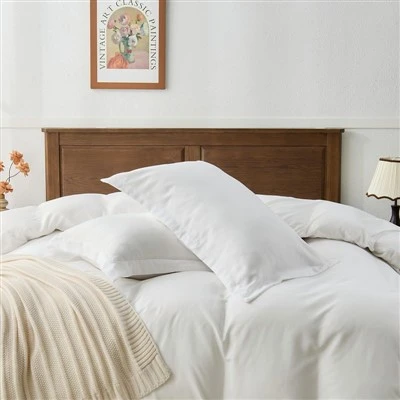
When it comes down to it, yes, most truly eco-friendly fitted sheets will cost a little more upfront than conventional ones, but that extra cost is worth it for the planet, for your wallet long-term, and for the quality of the sheet. Just make sure you’re not paying for a fancy label—do your homework, ask the right questions, and look for third-party certifications that actually mean something. If you’re a buyer looking for reliable, sustainable fitted sheets at fair prices, we’re your go-to team.
Comforter Quilt References: Textile Institute, Global Organic Textile Standard (GOTS), Organic Trade Association, Journal of Cleaner Production, Textile Research Journal.
Hangzhou Ruiyi Home Products Co., Ltd.
With abundant experience, we are one of the most professional fitted sheet manufacturers and suppliers in China. We warmly welcome you to wholesale customized fitted sheet at competitive price from our factory. If you have any enquiry about cooperation, please feel free to email us.
Address: BUILDING 1, NO.1757 CHENHUI ROAD, XINTANG STREET ,XIAOSHAN,HANGZHOU, ZHEJIANG,P.R. CHINA
E-mail: vivian-xu@vip.163.com
WebSite: https://www.ryhometextile.com/
