When I started managing our family-owned furniture hardware supply business 12 years ago, I thought choosing hardware color was straightforward: match it to the wood, pick a finish that didn’t scratch easily, and make sure it fit the hole pattern on the cabinet door. I’d sit in our warehouse, watching truckloads of knobs, pulls, and hinges arrive, and listen to designers and homeowners argue over whether brass was “too trendy” or chrome was “too basic.” Back then, I’d nod and agree to whatever they wanted, but after a decade of seeing thousands of furniture pieces go out the door—only to return months later because the hardware clashed or wore unevenly—I learned that picking the right color for furniture hardware isn’t a guess. It’s a mix of science, user needs, and the story of the furniture piece itself. And as a supplier that works with small furniture makers and big-box retailers alike, I’ve seen how getting this choice wrong can turn a great design into a flop. Furniture Hardware
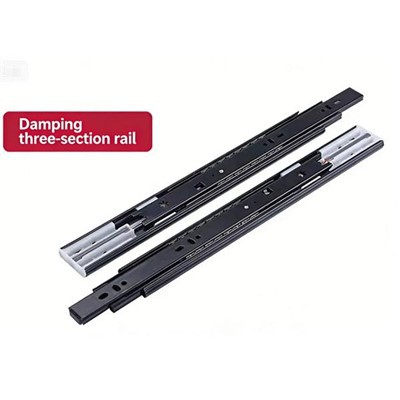
Let’s start with the basics that most people skip: color temperature. You’ve probably heard of warm vs. cool colors in paint, but hardware color temperature works the same way, and it sets the entire tone of a furniture piece. Warm hardware includes brass, copper, gold, and oil-rubbed bronze—all tones that lean yellow, red, or brown. Cool hardware is chrome, nickel, matte black, silver, and gunmetal, which lean blue, gray, or black. I learned this early on when a client brought in a line of mid-century modern dining tables made from light oak wood, which has warm, golden undertones. They first ordered bright chrome pulls, and the final product looked cold, harsh, and felt out of place in living rooms where homeowners paired the tables with soft wool rugs and linen curtains. They switched to brushed brass pulls, and suddenly the table felt intentional, like it was meant to sit in a cozy dining nook, not a sterile studio. That mistake taught me: hardware color temperature doesn’t just match the wood—it amplifies the furniture’s intended space. If you’re making a bedroom dresser meant to feel calm and intimate, warm hardware works because it feels inviting; if you’re designing a sleek office desk for productivity, cool hardware keeps the space feeling focused and uncluttered.
But temperature is just the start. Next comes finish durability, which is where science meets real-world use. A lot of homeowners don’t think about how hardware holds up to daily use until their kitchen cabinet pulls have smudges from cooking, or their bathroom towel rings have water spots that won’t buff out. As a supplier, we test every hardware finish in our own in-house lab—yes, we have a small cabinet in the back of our warehouse where we rub test pieces with stainless steel wool, spray them with distilled water for weeks, and even bake them in a mini oven to mimic extreme temperature changes. Here’s what we’ve found: if you’re selling hardware for high-traffic areas like kitchen cabinets, matte finishes (matte black, matte nickel) are great because they hide smudges and fingerprints better than glossy finishes. But if you’re making hardware for a dining room sideboard that’s rarely touched, polished brass can work—though it will develop a patina over time, which some customers love and others hate. Another common mistake: mixing a high-gloss finish with a matte wood. I once worked with a furniture maker who did a line of white matte kitchen cabinets paired with high-gloss chrome pulls. The contrast was so sharp that when homeowners opened the cabinets, the bright chrome would glare under kitchen lights, causing eye strain. We suggested switching to brushed nickel, which has a soft, sheen that complements matte wood without creating harsh reflections. That small change reduced their return rate for hardware-related issues by 40% in six months.
Then there’s the trend factor, which is tricky because what’s popular today can feel dated in five years, and choosing the wrong hardware color can make an entire furniture line feel outdated before it even hits stores. I’ve seen this firsthand: a few years ago, everyone wanted “brushed gold” hardware, so a client ordered 10,000 gold pulls for a line of sofas and chests. By the time the furniture arrived in stores, matte black was trending, and those gold pulls were sitting on the shelves, not selling. But here’s the trick from our team that works: pick a “base” color that’s timeless, and add a small number of “accent” colors that tie into current trends. Timeless colors for hardware are matte black, brushed nickel, and polished brass—they’ve been popular for decades and will continue to be because they work with almost any style, from traditional to modern. Accent colors could be things like soft copper (great for bohemian or coastal designs) or gunmetal (perfect for industrial pieces), and we usually recommend that clients only use accent hardware for statement pieces, like a coffee table or a bathroom vanity, not for all the furniture in a line. That way, they don’t get stuck with a warehouse full of unsold inventory when the trend shifts.
I also can’t talk about choosing hardware color without mentioning the importance of coordinating with other elements in the space. This is something that both furniture makers and homeowners often overlook: hardware doesn’t exist in a vacuum. If you’re making a bedroom dresser, you don’t just match the hardware to the dresser wood—you match it to the bed frame, the nightstand handles, even the light switch covers in the room. A few months ago, a customer came to us upset because her new brass dresser clashed with her chrome light fixtures. She’d bought the dresser because she loved the brass, but when she put it in her room, the two finishes fought for attention, making the space feel disjointed. We suggested swapping the brass pulls for brushed nickel, which matched the light fixtures, and adding a small brass lamp on the nightstand to tie the warmth of the original hardware into the room. It was a simple fix, but it made all the difference. As a supplier, we now include a free color coordination guide with every bulk order, with examples of how hardware works with paint, lighting, and other furniture pieces—small tool that has saved our clients hours of headache.
Wait, let’s talk about custom hardware, too. More and more furniture makers are making one-of-a-kind or limited-edition pieces, and they want hardware that’s not off-the-shelf. We work with a lot of these makers, and the number one question they ask is: “Can we get a hardware color that no one else has?” My answer is always yes, but with a warning. When you create a custom hardware color, you have to make sure it’s consistent. We once had a maker order a custom “sage green” hardware for a line of nursery dressers, but the first batch of pulls was slightly darker than the second, because the coating process had a small temperature shift during application. The customer had to scrap 50 dressers, which cost them thousands of dollars. Now, for custom orders, we have our quality control team do three test pieces before production, and we use precision temperature-controlled coating equipment to make sure every piece is the exact same color. It’s a little extra work, but it saves our clients from costly mistakes.
Another thing that’s often overlooked is user accessibility. As a supplier, we work with furniture makers that create pieces for people of all abilities, and hardware color plays a huge role here. For example, a cabinet pull that’s the same color as the cabinet door is hard to see for people with low vision, so a high-contrast hardware color—like matte black on white cabinets, or bright brass on dark wood—makes it much easier to open and close doors. We’ve partnered with a few non-profits that make adaptive furniture for seniors, and they always specify high-contrast hardware colors, because it’s a small detail that makes a big difference in how easy the furniture is to use. I never thought about that side of hardware color until a few years ago, when I met an elderly customer who said she couldn’t open her white kitchen cabinets because the white pulls blended in. She swapped them for black pulls, and she told me it made her kitchen feel new again. That story stuck with me—hardware color isn’t just about aesthetics, it’s about function for everyone.
Let’s circle back to my early days in the business, when I thought hardware color was just a match to wood. Over the years, I’ve learned that it’s a decision that balances style, durability, trend, coordination, custom needs, and accessibility. It’s not one-size-fits-all: a hardware color that works for a kitchen cabinet might not work for a bedroom dresser, and a trend that sells this year might not sell next year. As a furniture hardware supplier, we don’t just sell pulls and hinges—we provide the knowledge to help our clients make choices that work for their furniture, their customers, and their bottom line.
If you’re a furniture maker looking to refresh a line, a designer working on a new project, or a homeowner wanting to upgrade your space, we’re here to help. Our team has decades of experience working with all types of furniture styles and needs, and we can walk you through color choices, durability testing, custom orders, and anything else you need to get the right hardware for your pieces. Whether you need a small batch of pulls for a limited edition line or bulk hardware for a national furniture brand, we’re ready to partner with you to find the perfect fit.
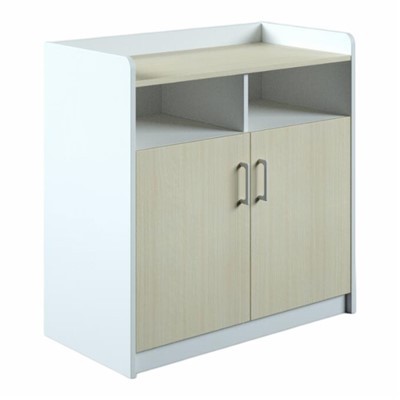
We invite you to reach out to our team to discuss your hardware needs, ask questions about color matching, or get samples to test in your space. Let’s build furniture that not only looks great but works for everyone who uses it.
Filing Cabinet References
- The Color Wheel: A Guide to Coordinating Finishes, Interior Design Foundation, 2021.
- Durability Testing for Metal Hardware, Furniture Manufacturers Association, 2022.
- Accessibility in Furniture Design, American National Standards Institute, 2020.
- Trends in Furniture Hardware, Home Furnishings Association, 2023.
Jiangsu Yuhe Intercontinental Import & Export Trading Co., Ltd.
As one of the most professional furniture hardware manufacturers and suppliers in China, we also support customized service. Please feel free to buy high quality furniture hardware made in China here and get pricelist from our factory. For price consultation, contact us.
Address: No. 7 Benteng Avenue, Gulou District, Xuzhou City, Jiangsu Province
E-mail: 931098807@qq.com
WebSite: https://www.yhfurn.com/
