If you’ve ever walked through a chemical plant, a pharmaceutical manufacturing facility, or a petrochemical refinery, you’ve probably spotted a large, often cylindrical steel vessel tucked between pipes, pumps, and other equipment: that’s an industrial reactor. As a supplier who’s worked with these vessels for over a decade, I’ve lost count of how many times clients have asked me, “Why does that reactor look different from the one down the street?” The answer, almost always, comes down to one thing: the materials it’s built from. Choosing the right material isn’t just a matter of matching aesthetics to a facility’s color scheme—it’s the difference between a reactor that runs safely for 20+ years and one that fails prematurely, triggering costly shutdowns, regulatory fines, or even safety hazards. Today, I want to pull back the curtain on the most common materials we use to build industrial reactors, why each is chosen, and what you should ask when specifying your next vessel. Industrial Reactor
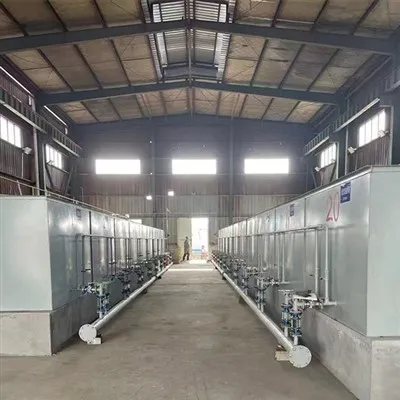
Let’s start with the most ubiquitous material by far: carbon steel. If you walk into a mid-sized chemical plant or a wastewater treatment facility, chances are the first reactor you see will be made of carbon steel. Why? It’s a workhorse for a reason: it’s strong, relatively cheap compared to specialty alloys, and easy to fabricate into the cylindrical shapes and complex internal components reactors need. That said, it’s not a one-size-fits-all solution. Carbon steel reacts poorly with many substances—most notably acids, and even mild chemicals like water over long periods can cause corrosion, a process we call rusting. That’s why we almost never use bare carbon steel for reactors that handle corrosive fluids. When carbon steel is the right choice, we add protective layers, like a coating of epoxy or a thin liner of another material, to shield it. For example, a reactor that treats municipal wastewater might use carbon steel coated with polyethylene to protect it from sulfides and other contaminants in the sewage stream. I recently worked with a food and beverage manufacturer building a fermentation reactor for yeast production; carbon steel with a food-grade epoxy liner was perfect here. The yeast feed is gentle, the operating temperature is mild, and the low cost let them stay within budget without sacrificing durability. But if that same reactor had to handle a 30% hydrochloric acid solution, carbon steel would rust through in months—we’d need a different material.
Which brings us to stainless steel, the second most common material, and the workhorse for industries that deal with corrosive, sanitary, or high-temperature environments. Most people know stainless steel from cutlery or kitchen appliances, but it’s a workhorse for industrial reactors, too. The magic of stainless steel comes from its chromium content—usually around 10.5% or more. When chromium is exposed to oxygen (even just the oxygen in the air), it forms a thin, invisible protective layer called a chromium oxide passive film, which seals the steel from further corrosion. That’s why stainless steel doesn’t rust like regular carbon steel, and why it’s so easy to clean. We use different grades of stainless steel for different jobs. 304 stainless is the most versatile, ideal for reactors handling mild corrosives like dilute acids, food-grade chemicals, or even distilled water. A bakery I partner with uses 304 stainless reactors to mix dough conditioners and flavorings—its smooth, non-porous surface makes it easy to sanitize, and it holds up perfectly to the mild acids and enzymes in their ingredients. For harsher environments, like reactors handling concentrated sulfuric acid or brine solutions, we move to 316 stainless steel. This grade adds molybdenum, which boosts its corrosion resistance, especially against chloride ions—think of the salt in seawater, or the salt used in many chemical processes. I also frequently use stainless steel for pharmaceutical reactors. The FDA requires pharmaceutical equipment to meet strict sanitary standards, and stainless steel’s non-reactive surface, ability to be steam-sterilized, and resistance to corrosion make it the only acceptable choice here. Last year, we delivered a series of 316 stainless reactors to a biotech firm working on monoclonal antibody production; those reactors run at 80°C, handle pH levels ranging from 2 to 10, and need to be sterilized daily—stainless steel was the only material that could check all their boxes.
But when stainless steel still isn’t enough, or when operating conditions are extremely harsh, we turn to specialty alloys and non-metallic materials. Let’s start with nickel-based alloys, like Hastelloy and Inconel. These materials are built for extreme conditions: extremely high temperatures, highly corrosive chemicals, or a combination of both. I recently worked on a reactor for a specialty chemical manufacturer that handles a solution of concentrated nitric acid at 120°C. 316 stainless steel would corrode through in weeks here, but Hastelloy C-276, a nickel-chromium-molybdenum alloy, can handle that environment easily. Nickel-based alloys aren’t cheap—they cost 5 to 10 times more than 316 stainless, so we only use them when no other material will work. We also need to consider their fabrication, too; they’re harder to bend and weld than carbon steel or stainless, so the production timeline for a reactor made from Hastelloy is longer, and the lead times are often extended because these materials are in high demand for aerospace and nuclear applications as well.
Then there are non-metallic materials, which are perfect for very corrosive environments or applications where weight is a concern. The most common of these is fiberglass-reinforced plastic (FRP), sometimes called GRP (glass-reinforced plastic). FRP is made by reinforcing a polymer resin (like polyester or vinyl ester) with glass fibers, giving it strength that far outweighs its weight. It’s incredibly corrosion-resistant—It doesn’t rust, doesn’t react with most acids, bases, and solvents, and it’s way lighter than steel. That makes it ideal for reactors used in water treatment, fertilizer production, or even some chemical processing where corrosion is the main concern. A agricultural chemical company I work with uses FRP reactors to produce nitrogen-based fertilizers; the materials they handle are highly corrosive, and FRP cuts their material costs and installation time compared to stainless steel. The downside of FRP is that it’s not great for high temperatures; it can start to soften and degrade above around 120°C, and it’s not as strong as metal, so it’s not suitable for reactors operating at high pressures. For those high-pressure, high-temperature corrosive applications, we might also use ceramic liners. Ceramic liners are thin layers of aluminum oxide or silicon carbide that we line inside carbon steel or stainless steel reactors. They’re almost inert, resisting corrosion from even the harshest chemicals, and they can handle temperatures up to 1,500°C. I recently used ceramic-lined reactors for a furnace for a mineral processing plant that operates at 1,400°C; without the ceramic liner, the steel reactor would deform and break down in days. The only catch with ceramic liners is that they’re brittle—they can crack if they’re hit hard, or if the reactor experiences extreme temperature changes, so they’re best for applications with consistent, controlled operating conditions.
Now that we’ve covered the main materials, let’s talk about the factors that go into choosing the right one, because there’s no “best” material—only the best one for your specific application. First, and most important, is the process fluid you’re handling. Is it acidic? Basic? Salty? Concentrated or dilute? For example, a reactor handling a dilute acetic acid solution (like vinegar) at room temperature might be fine with 304 stainless, but if it’s 50% acetic acid at 80°C, you’ll need 316 stainless or a nickel alloy. Second, operating conditions: temperature and pressure. If your reactor runs at 200°C and 10 bar of pressure, carbon steel is out—you’ll need stainless steel or a specialty alloy that can handle those stresses. Third, sanitary requirements. If you’re building a reactor for food, pharmaceuticals, or cosmetics, you’ll need a material that’s non-toxic, easy to sanitize, and doesn’t leach chemicals into your product—stainless steel is the go-to here, and we make sure all our sanitary reactors meet FDA, cGMP, and other regulatory standards. Finally, cost and lead times. It’s easy to spec the most exotic material you can find, but if it blows your budget or makes your project take six months longer than planned, it’s not the right choice. As a supplier, I always work with clients to balance these factors, making sure we pick a material that’s durable, safe, and affordable for their needs.
I’ve seen too many projects go wrong because the wrong material was chosen. A few years back, a small specialty chemical firm decided to save money by building their new reactor out of bare carbon steel, thinking they could just add a coating later. They skipped testing the coating with their process fluid, and within three months, the coating peeled, the steel corroded, and they had to shut down production for two weeks to repair and replace the reactor—costing them hundreds of thousands of dollars in lost revenue. That’s the kind of mistake we work hard to help clients avoid. Before we even cut a piece of metal or mix a batch of resin, we run compatibility tests: we take small samples of the material and expose them to the client’s process fluid at the exact temperature and pressure their reactor will see, for a set period of time, to make sure there’s no corrosion, swelling, or degradation. It’s an extra step, but it’s one that saves clients from expensive headaches down the line.
Over the years, we’ve also seen new materials enter the market, like duplex stainless steel, which combines the best of ferritic and austenitic stainless steels, giving it higher strength and better corrosion resistance than 304 or 316 without the high cost of nickel alloys. We’ve started using duplex stainless for some of our mid-range corrosive applications, like reactors handling seawater for desalination plants, where we need strength and corrosion resistance without breaking the bank. But no matter how materials evolve, the core principle stays the same: the right material is the one that works for your specific process, your budget, and your long-term needs.
If you’re planning a new industrial reactor, or if you’re looking to replace or upgrade an aging one, choosing the right material is the most critical decision you’ll make in the early stages of the project. You don’t have to navigate this alone—we’ve worked with hundreds of clients across industries, from food and beverage to pharmaceuticals, chemical processing, and water treatment. We don’t just sell reactors; we provide guidance, run compatibility tests, and make sure every vessel we build meets your exact requirements, for every stage of its lifecycle.
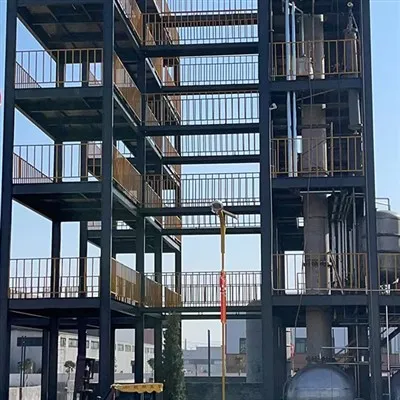
If you’d like to discuss your project, get recommendations for materials, or get a quote for a custom-built industrial reactor, feel free to reach out to our team. We’re here to help you build a reactor that runs safely, efficiently, and reliably for years to come.
Distillation Column References:
- Davis, J.R. (Ed.). Corrosion: Understanding the Basics. ASM International.
- Askeland, D.R., & Fulay, P.P. (2016). The Science and Engineering of Materials. Cengage Learning.
- Shreir, L.L., Jarman, R.A., & Burstein, G.T. (1994). Corrosion, Volume 1: Metal/Environment Reactions. Butterworth-Heinemann.
- International Organization for Standardization. (2019). ISO 15797:2019, Chemical industry equipment for general purposes – Industrial reactors – Safety requirements.
Wuxi Quansheng Industrial Equipment Co., Ltd.
As one of the most professional industrial reactor manufacturers and suppliers in China, we have world-leading production equipment and strong manufacturing capabilities. Welcome to buy high quality industrial reactor for sale here from our factory. For price consultation, contact us.
Address: No.10, Fulaiqiao Road, Hudai Town, Binhu District, Wuxi City, Jiangsu Province, China
E-mail: 397293586@qq.com
WebSite: https://www.pmmatech.com/
