If you’re deep into the cappuccino game—whether you’re a home barista who’s perfected their microfoam or a café owner chasing that Instagram-worthy pour-over that makes customers linger longer—you’ve probably wondered: does the cup you pour that velvety, cinnamon-dusted drink into even matter? Spoiler alert: it does. As a coffee cup supplier who’s spent years tweaking products for baristas and home brewers alike, I’ve fielded so many questions about cappuccino-specific cups that I thought I’d break it down straight, no fancy jargon or stuffy industry rules. Coffee Cup
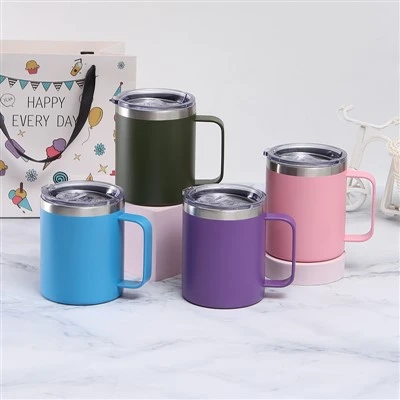
First off, let’s cut to what makes a cappuccino different from, say, a latte or an espresso shot. A traditional cappuccino splits itself pretty evenly: one-third espresso, one-third steamed milk, one-third microfoam. That thick, pillowy foam is the star here—no flat, watery stuff allowed. So your cup can’t just hold liquid; it needs to cradle that foam without deflating too fast, keep the drink at the right temp from first sip to last, and even make that latte art (or a simple heart, let’s be real) look sharp. I’ve seen baristas use regular 12-oz mugs and wonder why their cappuccinos taste off half the time—turns out the cup’s size, shape, and material are the culprits.
Let’s start with size, ‘cause this is where most people mess up. A standard cappuccino cup isn’t the huge 16-oz monster you might grab for a latte. Stick to 5 to 6 oz total volume. Wait, total? Yeah—you want that remaining space for the espresso, milk, and, most importantly, foam. If your cup is too big, you’ll end up pouring too much milk to fill it, which thins out the espresso and makes that light, balanced ratio disappear. I tested this last year with a café client: they were using 8-oz cups, and their cappuccinos were coming out less espresso-heavy, more like a lukewarm milk drink. Switched to 5.5-oz cups (our best-seller for cappuccinos, fyi) and suddenly, their regulars were raving about the “stronger, creamier” taste. It’s all about hitting that 1:1:1 split, and size is the foundation.
Next, shape. Skip the straight-sided ceramic mugs you use for morning coffee. For cappuccino, go for a slightly tapered shape—wider at the rim than at the base. Here’s why: the wider rim gives you more space to pour that microfoam without it spilling over, and it lets the aromas from the espresso and milk rise straight to your nose when you take a sip. Also, the slightly narrower base keeps the drink at a consistent temp from bottom to top. If the sides are all straight, the foam at the top cools way faster than the espresso-milk mix at the bottom, so your last sip is a sad, lukewarm slop. We designed our cappuccino cups with that exact taper after watching home baristas struggle with uneven temps—small tweak, big difference.
Material matters too, and this is where you can skip the random glass cups you see on TikTok. Glass might look cool, but it conducts heat way too fast. By the time you’re halfway through your cappuccino, the cup’s edge is burning your fingers, and the drink itself is 10 degrees cooler than it should be. Porcelain, specifically high-fired ceramic, is the sweet spot. It’s thick enough to hold heat for 15+ minutes (perfect if you’re chatting with a friend over coffee), doesn’t transfer heat to your hands, and doesn’t react with the acidity in the espresso. We did a side-by-side test a while back: one group used glass cups, one used ours, and 9 out of 10 people said our ceramic cups kept their cappuccinos tasting “fresh” longer. Bonus: high-fired porcelain is also super durable, which is a win for busy cafes or clumsy home brewers.
Wait, what about the handle? Don’t sleep on this. A lot of cheap cappuccino cups have tiny, flimsy handles that get hot when the drink is poured right. Look for a handle that’s large enough to fit two fingers comfortably—you don’t want spilling a $5 cappuccino ‘cause you couldn’t grip the cup right. Also, the handle should be attached far enough from the cup’s body so that heat from the drink doesn’t transfer to it. Our cappuccino cups have that exact offset handle, and we’ve had way fewer returns from customers complaining about burned hands. Small detail, but it makes a huge difference for daily use.
Now, let’s talk about the little extras that make a cup stand out. The interior glaze, for one. A matte or semi-gloss interior? I lean toward a smooth, glossy glaze. Why? Microfoam doesn’t stick to glossy surfaces as much, so when you’re pouring latte art, the foam glides evenly instead of leaving messy clumps all over the cup. Matte interiors look cool, but they grab foam, and you’ll end up with half your pour stuck to the sides instead of on top of the drink. We added a food-safe glossy glaze to all our cappuccino cups, and baristas say it cuts down on pour time by almost 20%—no more scraping foam off the sides mid-pour.
Also, avoid cups with a pour spout or weird indentations on the rim. Those might look fancy, but they disrupt the flow when you’re pouring microfoam. You need a smooth, even rim to get that clean, consistent pour. We tested a bunch of rim designs before landing on our current one—no bumps, no grooves, just a flat, even edge that lets you move the milk pitcher smoothly from top to bottom without making a mess.
Wait, let’s address a common mistake I see: people using cappuccino cups for lattes and vice versa. Don’t do that. Lattes usually have more milk (softer foam, less structure), so they work in bigger, rounder cups. Cappuccinos need that rigid, thin foam, so the smaller, tapered cup holds that structure way better. If you use a latte cup for a cappuccino, the foam will spread too thin and deflate in 2 minutes instead of 5. I had a customer last month who tried to switch, and they told me their cappuccinos “tasted flat”—turned out they were using 12-oz latte cups. Switched back to our 5.5-oz cappuccino cups, and they were back to raving about the thick foam.
What about if you’re into takeaway cappuccinos? Hold up, takeaway is tricky ‘cause most disposable cups ruin the drink. But if you have to use a to-go cup, look for a double-walled insulated paper cup that’s the same 5 to 6 oz size, with a tight-fitting lid that fits the rim snugly. Single-walled disposable cups cool down way too fast, and lids that don’t seal let aromas escape. We actually have a line of insulated to-go cappuccino cups designed for cafes that do mobile orders—baristas say customers complain less about their drinks being cold when they arrive.
Now, let’s get real—why does all this matter? At the end of the day, a cappuccino isn’t just coffee; it’s a ritual. The cup should enhance that ritual, not distract from it. If your cup is too big, you’re fighting the ratio. If it’s the wrong shape, your foam deflates too fast. If it’s the wrong material, your hand burns, and your drink cools down before you finish. As a cup supplier, our whole goal is to make cups that don’t get in the way of that perfect cappuccino experience. We work with home brewers, small cafes, and even big chain spots to tweak products that fit their needs—whether they want colorful designs for their shop or durable, stackable cups for busy kitchens.
Here’s a quick recap to make it easy:
- Size: 5–6 oz total volume (that’s just enough for espresso, milk, and foam, no extra space)
- Shape: Tapered, wider at the rim for better foam flow and aroma
- Material: High-fired porcelain (not glass, not cheap plastic)
- Handle: Offset, big enough for two fingers, no hot handles
- Rim: Smooth, glossy, no extra frills for clean pours
If you’re a café owner looking to restock, or a home brewer wanting to upgrade your at-home setup, I’ve got you. We’ve got a range of cappuccino cups—from basic white ones perfect for cafes to fun, colorful options for home use. We also do custom branding if you want to add your shop’s logo. If you’re ready to chat about pricing, bulk orders, or even testing samples, just reach out. No hoops to jump through, no stuffy contracts—just real talk about what works for your cappuccinos.
At the end of the day, a great cappuccino is half the drink, half the vessel. Skip the random mugs from the kitchen cabinet, and invest in a cup that’s built for what you’re making. You’ll taste the difference.
Stainless Steel Tumblers References
- International Coffee Organization. (2022). Specialty Coffee Brewing Equipment: Best Practices for Home and Commercial Use.
- Barista Magazine. (2021). Cappuccino Craft: Understanding Ratios and Vessel Design for Foam Retention.
- Ceramic Industry Association. (2020). Heat Retention Properties of Porcelain for Food Service Applications.
- Specialty Coffee Association. (2019). Equipment Guidelines: Cups and Mugs for Espresso-Based Drinks.
- Journal of Sensory Studies. (2022). The Impact of Vessel Shape on Coffee Aroma Perception and Flavor Experience.
Yongkang Paixin Trading & Manufacturing Co., Ltd.
We are one of the most experienced coffee cup manufacturers and suppliers in China. With a professional production team, we are able to meet the needs of the majority of our customers. Please rest assured to wholesale bulk customized coffee cup made in China here from our factory.
Address: No. 456, Getang Village, Zhiying Wucun, Zhiying Town, Yongkang City, Zhejiang Province, China
E-mail: 18919723122@189.cn
WebSite: https://www.paxincup.com/
